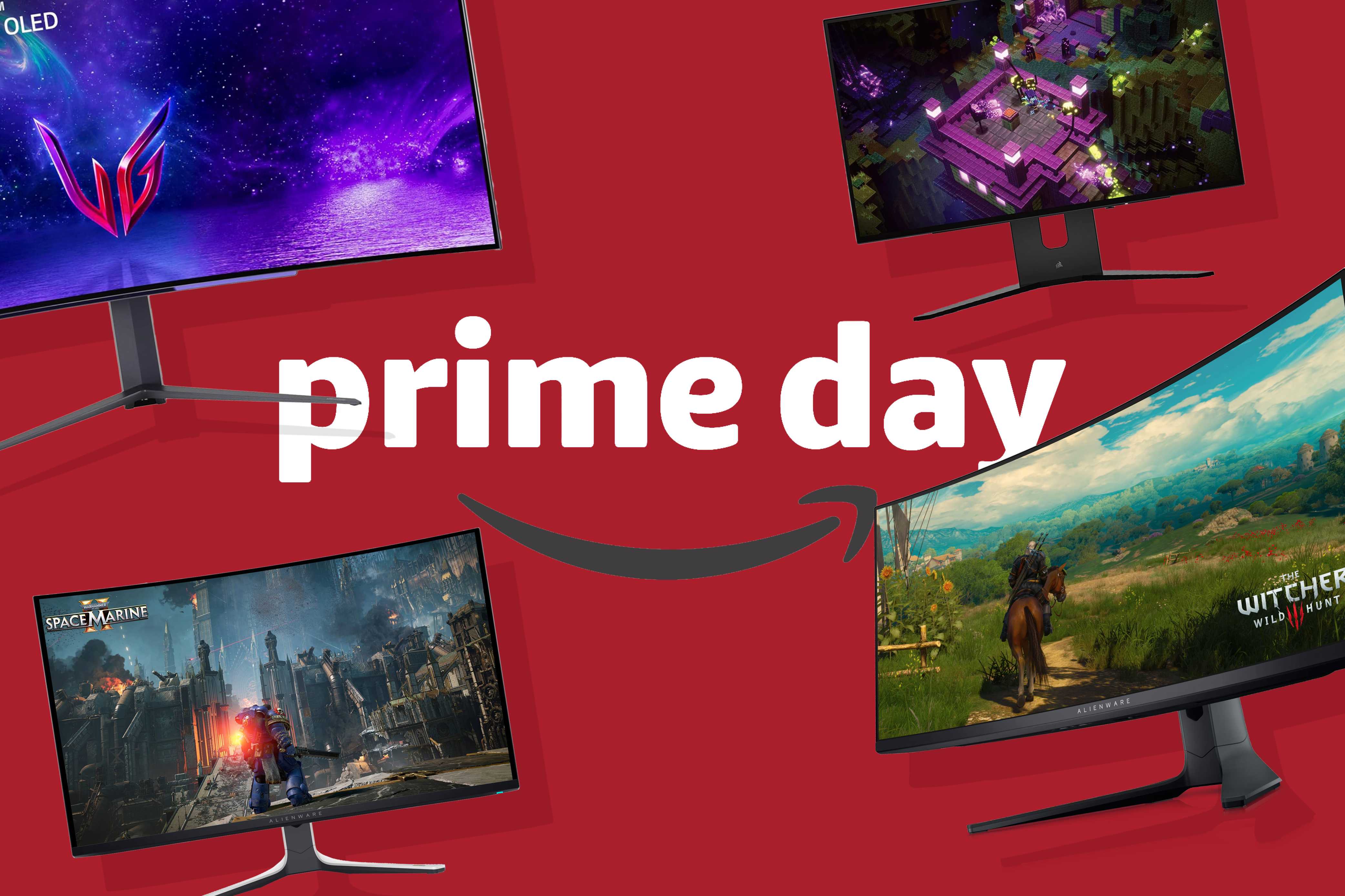
Monitor shopping during Prime Day has evolved. Gone are the frantic refreshes, the sold-out warnings, and the relentless waves of shoppers clogging checkout lines. This year’s deals arrived calmly, with a focus on premium builds—OLED panels, high-refresh gaming screens, and ergonomic productivity displays—all priced to attract serious buyers rather than impulse ones.
The selection leans toward established names in the space: Samsung’s Odyssey line, LG’s UltraGear monitors, and ASUS’s ROG series. Each carries its own tradeoffs—brightness levels, response times, adaptive sync support—but the discounts apply uniformly across models, making it possible to secure a high-end display without committing to a full system upgrade.
What’s Actually on Sale
The most notable savings come from OLED monitors, where 48-inch and 57-inch curved panels drop below their original launch prices. These screens offer near-perfect black levels, infinite contrast, and a viewing experience that rivals premium cinema displays. However, they remain niche: ideal for content creators who prioritize color accuracy over raw performance in competitive titles.
- Samsung Odyssey OLED G9 (48-inch): 165 Hz refresh, 3,440×1,440 resolution, $2,200 (down from $2,500)
- LG UltraGear 27GP950 (27-inch): 160 Hz, 2,560×1,440, $800 (down from $950)
- ASUS ROG Swift PG32UQX (32-inch): 180 Hz, 3,840×2,160, $1,700 (down from $2,000)
Gaming-focused monitors also see meaningful reductions, though the savings are less dramatic. These screens push brightness to 500 nits or higher, which is critical for HDR content but can lead to eye strain during long sessions—a tradeoff that’s only worth it if the monitor will be used primarily for competitive play.
What Buyers Should Consider
The real value here isn’t just in the price tags. It’s in the opportunity to test a new form factor without the usual sticker shock. OLED monitors, for example, have historically been reserved for power users who can justify the cost based on output quality alone. Now, that barrier is lower, but only if the use case aligns with their strengths.
For businesses, the decision becomes more complex. Enterprise buyers often need features like built-in KVM switches, VESA mount compatibility, and compliance with standards like TCO Certified or EPEAT. None of these are typically highlighted in consumer-focused deals, so the practical savings may not translate directly to office environments unless the monitor is part of a larger procurement plan.
What Remains Unclear
The longer-term impact on supply chains is still speculative. OLED panels have been in short supply for years, and discounts this deep could signal either increased production or strategic inventory adjustments from manufacturers. If the latter, buyers might see prices rebound quickly once stock stabilizes—a risk that’s hard to gauge without deeper market data.
Who Benefits Most
The clear winners are content creators who need OLED’s color depth and gamers who want high refresh rates without sacrificing brightness. For these users, the discounts remove a significant financial hurdle, but they should still weigh the tradeoffs: OLED’s risk of burn-in (though mitigated in modern panels), the need for strong cooling solutions to prevent image retention, and the potential for future obsolescence if new adaptive sync standards emerge.
For everyone else—casual users, office workers, or those who prioritize raw performance over visual fidelity—the deals are less compelling. The monitors that see the biggest price drops are also the ones with the most specialized use cases, so the savings only make sense if the buyer’s workflow demands them.