'Prove You're Human' isn't just another game with AI—it's an attempt to create a dynamic system where the player's emotional responses shape the experience in real time. The developer behind this title is focusing on traits like empathy and adaptability, moving away from scripted interactions toward AI that learns from player behavior. This shift could set a new standard for how games handle artificial intelligence.
Technically, the game is built around a custom engine optimized for low-latency AI processing. Initial reports suggest it will require at least 16GB of GDDR6 memory to run smoothly, hinting at a design that prioritizes performance over accessibility. While this could limit its audience if not properly optimized, the developer seems intent on pushing hardware capabilities to support this level of interactivity.
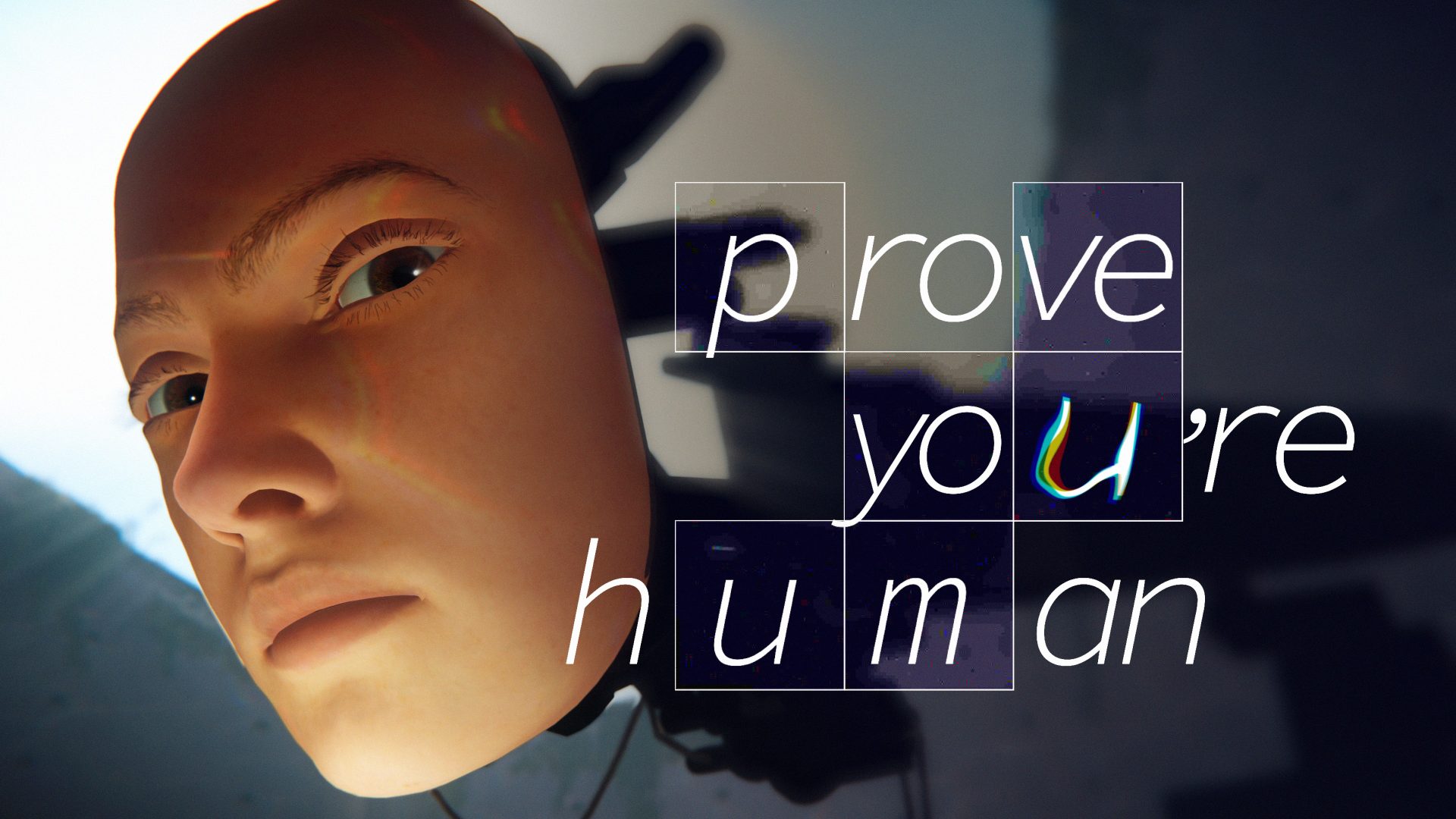
The real innovation lies in how the game measures player reactions. Instead of traditional win-lose conditions, success may depend on how well a player demonstrates human-like traits under pressure. This approach introduces new challenges—balancing depth with mainstream appeal—and raises questions about whether such experiences can resonate beyond niche audiences. The developer acknowledges this risk but remains committed to refining the AI's responses through iterative testing.
Looking ahead, the game is expected to debut in phases, starting with smaller-scale challenges before expanding into more complex scenarios. This phased approach may also serve as a way to gather player feedback and adjust the AI's learning curves accordingly. If successful, it could pave the way for a new generation of games where emotional engagement is as critical as mechanical skill.
For now, 'Prove You're Human' represents a bold experiment in gameplay design. Whether it proves itself as more than a curiosity will depend on how well it balances ambition with accessibility—but its potential to redefine player-AI interaction is undeniable.