The PS5 Pro isn’t just an incremental bump; it’s a strategic split between two generations of games, each handling power differently. Where previous consoles relied on uniform hardware acceleration, the new system carves out a distinct path for titles optimized from the ground up—native 2.0—while offering selective upgrades for older 1.0 games. The shift aims to stretch performance gains where they matter most: smoother frame rates in high-resolution modes and faster load times, but not every game will benefit equally.
Under the hood, the PS5 Pro adds 2 terabytes of custom NVMe storage, doubling the base model’s capacity while maintaining the same 16 GB GDDR6 RAM. Clock speeds for the GPU and CPU remain unchanged from the original, but Sony has introduced a new performance mode that dynamically adjusts rendering workloads in supported games. This isn’t a raw horsepower increase; it’s a reallocation of existing resources to prioritize visual fidelity over raw performance in certain scenarios.
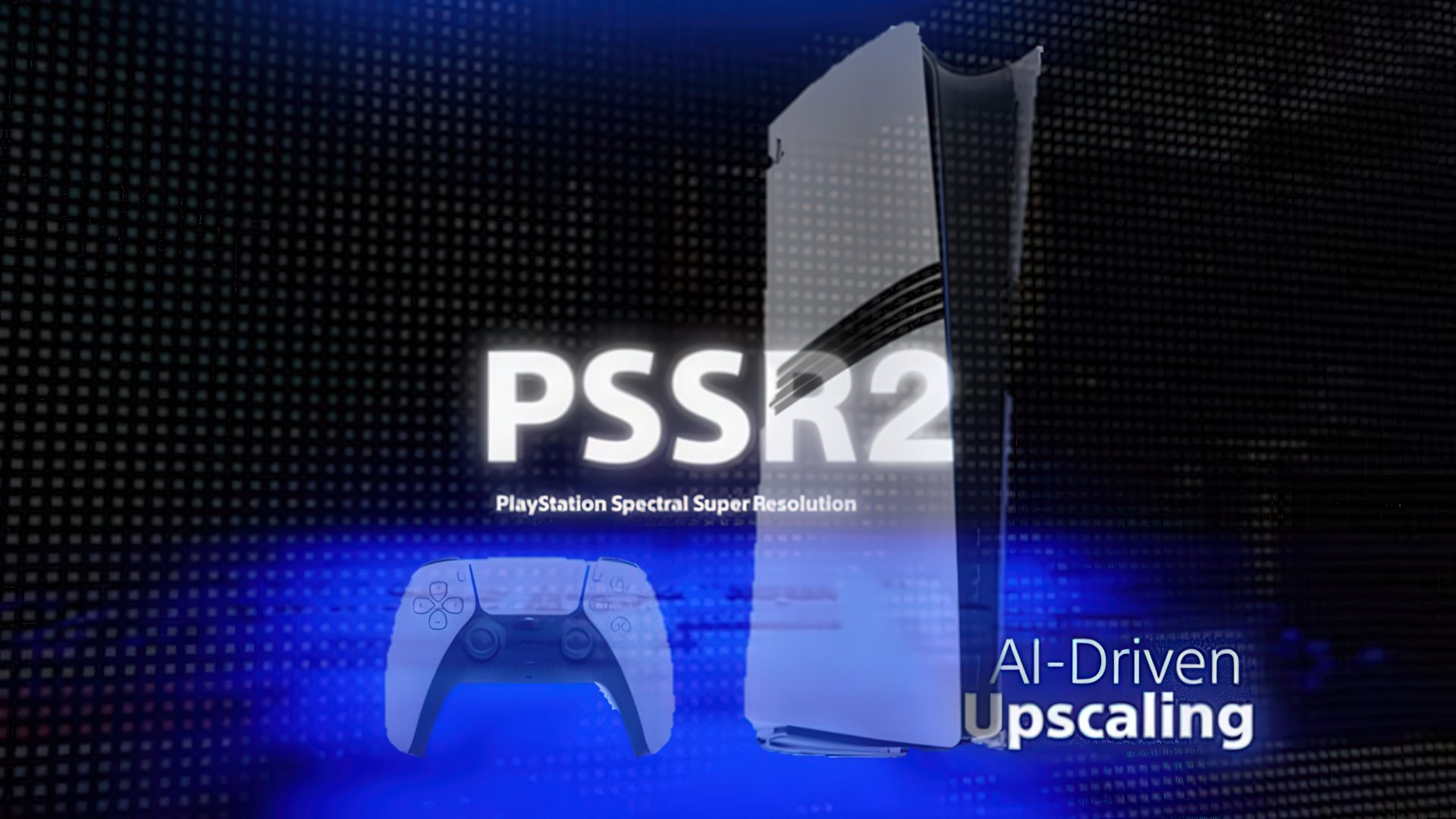
For users, the most immediate change will be in how games look and feel on screen. Native 2.0 titles—those developed with the Pro’s hardware in mind—can now render at up to 4K resolution with variable rate shading, a feature absent in the original PS5. This translates to crisper textures and fewer visual artifacts during fast-moving scenes, something players of competitive or action-oriented games will notice right away. Legacy 1.0 games, however, receive only incremental improvements: upscaled resolutions and minor frame-rate bumps, but no fundamental rework.
The timeline for this split is already unfolding. Sony has begun labeling games in its storefront with 2.0 or 1.0 tags, signaling which titles will leverage the new features. Early adopters of the Pro may see a mix of both categories, but as developers adjust their pipelines, the library should shift toward more 2.0-optimized content over time. The question for buyers isn’t whether the Pro is powerful enough—it’s whether they’ll see meaningful upgrades in the games they care about.
Right now, the PS5 Pro stands as a bridge between past and future. It doesn’t render every game at higher resolutions or frame rates, but it does offer a clearer path forward for developers to push boundaries without breaking compatibility. For those already invested in the ecosystem, the upgrade is less about raw power and more about unlocking incremental gains where they count most.