Samsung’s latest price hike for DRAM modules is a stark reminder of how fragile the global memory market remains. The company has increased its prices by up to **100%** in some cases, a move that underscores the severity of the ongoing RAM shortage and suggests worse may lie ahead.
The adjustments, effective immediately, apply across Samsung’s entire DRAM lineup—from consumer-grade modules to high-end server-grade solutions. While the tech industry has grown accustomed to periodic price volatility, this latest surge is particularly jarring, as it follows a year of persistent shortages and supply chain disruptions.
Why This Matters
The RAM market has been under pressure for months, but Samsung’s decision to nearly double prices in one fell swoop signals a deeper structural issue. Demand for memory chips remains strong, driven by AI advancements, data center expansions, and a steady flow of new consumer devices. Meanwhile, production constraints—whether due to manufacturing challenges, geopolitical tensions, or logistical bottlenecks—have failed to keep pace.
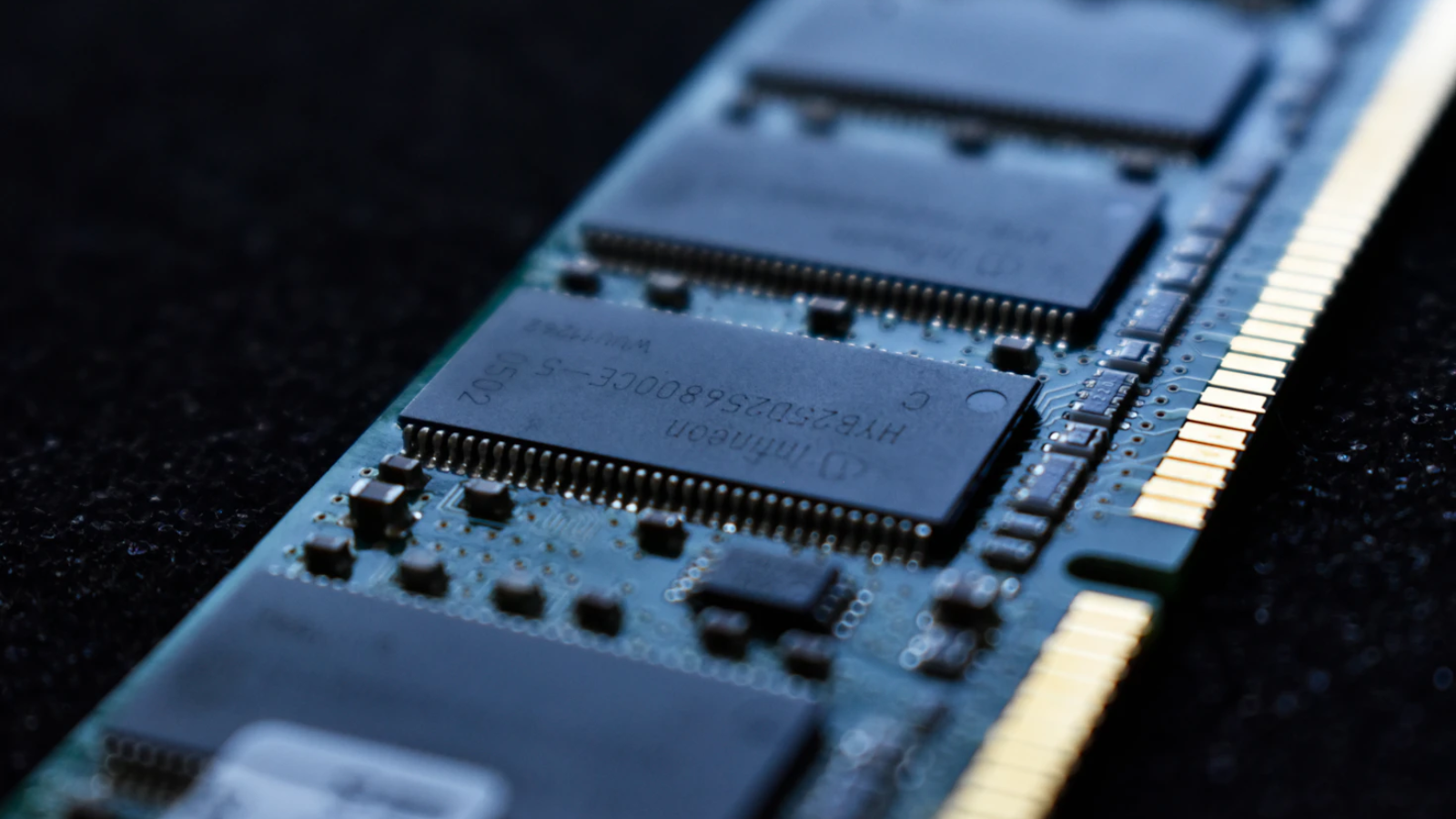
For businesses and enthusiasts alike, the impact is immediate. A system upgrade that once cost a few hundred dollars now demands a significantly larger investment. Worse, there’s little indication that prices will stabilize soon.
What’s Next?
Industry observers warn that Samsung’s move could trigger a domino effect, with competitors like SK Hynix and Micron following suit. If multiple manufacturers raise prices in tandem, the cost of memory-intensive products—from gaming PCs to cloud servers—will climb even further.
Consumers shouldn’t expect relief anytime soon. While some analysts suggest prices could peak before stabilizing, the timeline remains uncertain. In the meantime, buyers may need to reconsider upgrade cycles, opt for lower-capacity modules, or explore alternative storage solutions.
The bottom line? The RAM crisis isn’t just a temporary blip—it’s a warning that the tech industry’s reliance on memory is entering a new era of scarcity and cost.