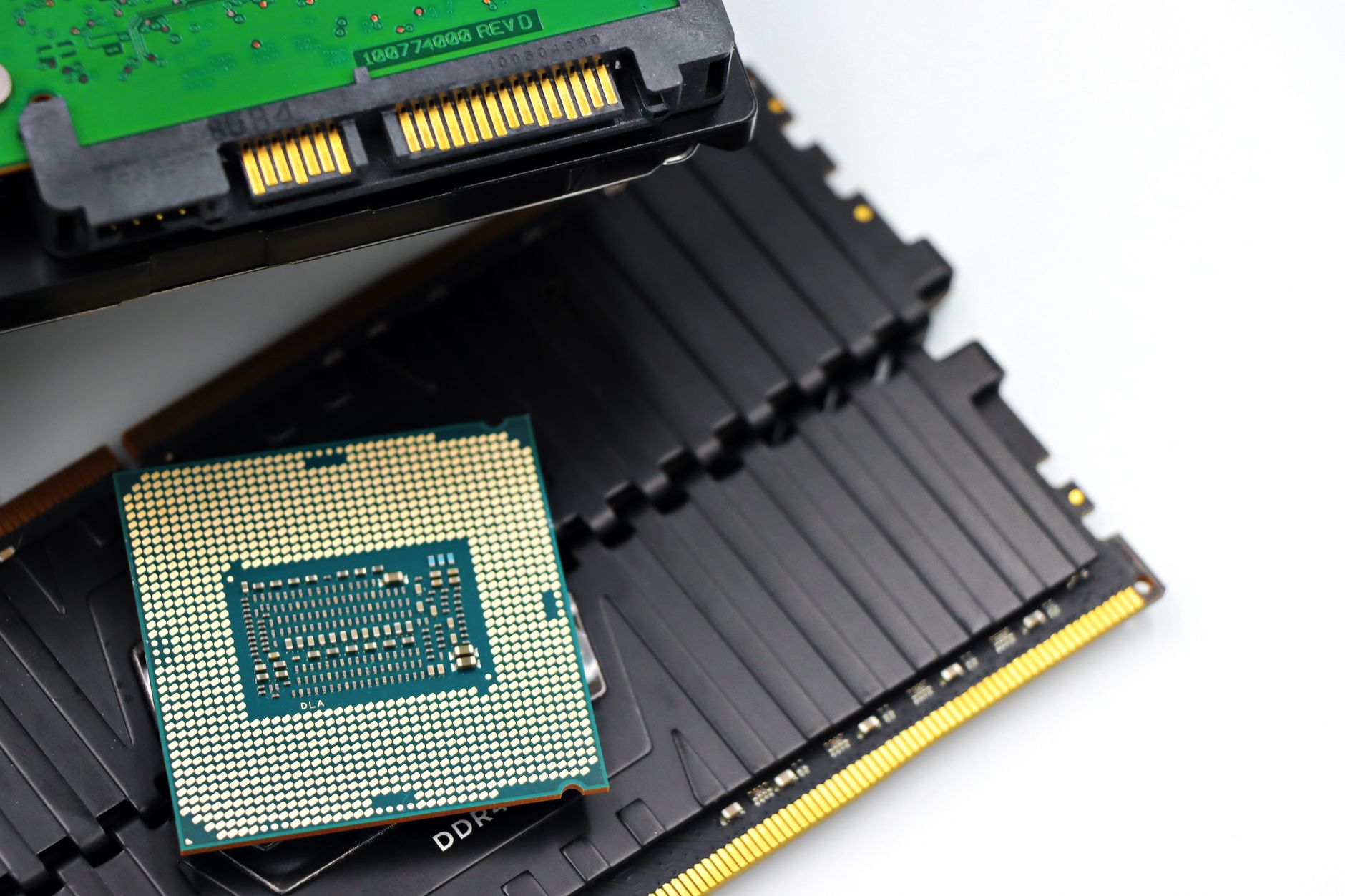
The DDR5 pricing crisis has exposed a fundamental tension in modern computing: the same memory technology powering cutting-edge AI workloads is now the bottleneck for everyday PC users. What was once a premium feature for high-end systems has become an unaffordable necessity. The 150% price surge isn’t just about inflated retail numbers—it’s a reflection of how AI’s insatiable appetite for bandwidth is reshaping the entire memory market.
Consider the numbers again, but this time through the lens of what they mean for real-world builds. A 64GB DDR5-6000 kit, once a $220 investment for professionals handling large datasets or 4K video editing, now routinely exceeds $450. For a mid-range creator or a small business relying on memory-intensive software, that’s the difference between a viable workstation and a budget that stretches beyond reason. Even entry-level DDR5-5600 kits, once within reach of budget-conscious builders, have seen prices double—turning what was a $90 upgrade into a $180 commitment.
The ripple effects are already being felt. System integrators are advising clients to delay upgrades until prices stabilize, while retailers are quietly adjusting inventory to prioritize high-margin SKUs. The flash sales that once defined the memory market have become rare exceptions, replaced by a landscape where even ‘discounted’ prices feel like a premium.
Who’s Eating All the Memory?
The primary driver behind the DDR5 shortage isn’t a sudden surge in gaming demand—it’s the data center. AI training and inference workloads require massive amounts of high-bandwidth memory, and DDR5 is the only technology capable of meeting those needs at scale. A single AI training run can consume the equivalent of hundreds of consumer-grade DDR5 kits, creating a demand vacuum that consumer markets are now filling—but at a steep cost.
Manufacturers are caught in a Catch-22. DDR5 production requires advanced process nodes and stringent quality control, both of which limit scalability. Even as new fabrication plants come online, the yield rates for high-capacity DDR5 modules remain lower than expected. This means that for every 100 modules produced, fewer are usable, further tightening supply. The result? A market where data centers outbid consumers, and where the law of supply and demand has been inverted: the more essential the technology, the higher the price.
Add to this the lead times—now stretching to 12-16 weeks for custom or high-capacity orders—and the picture becomes clearer. DDR5 isn’t just expensive; it’s becoming a speculative commodity, with prices fluctuating based on data center procurement cycles rather than traditional retail trends.
The Human Cost of a Memory Shortage
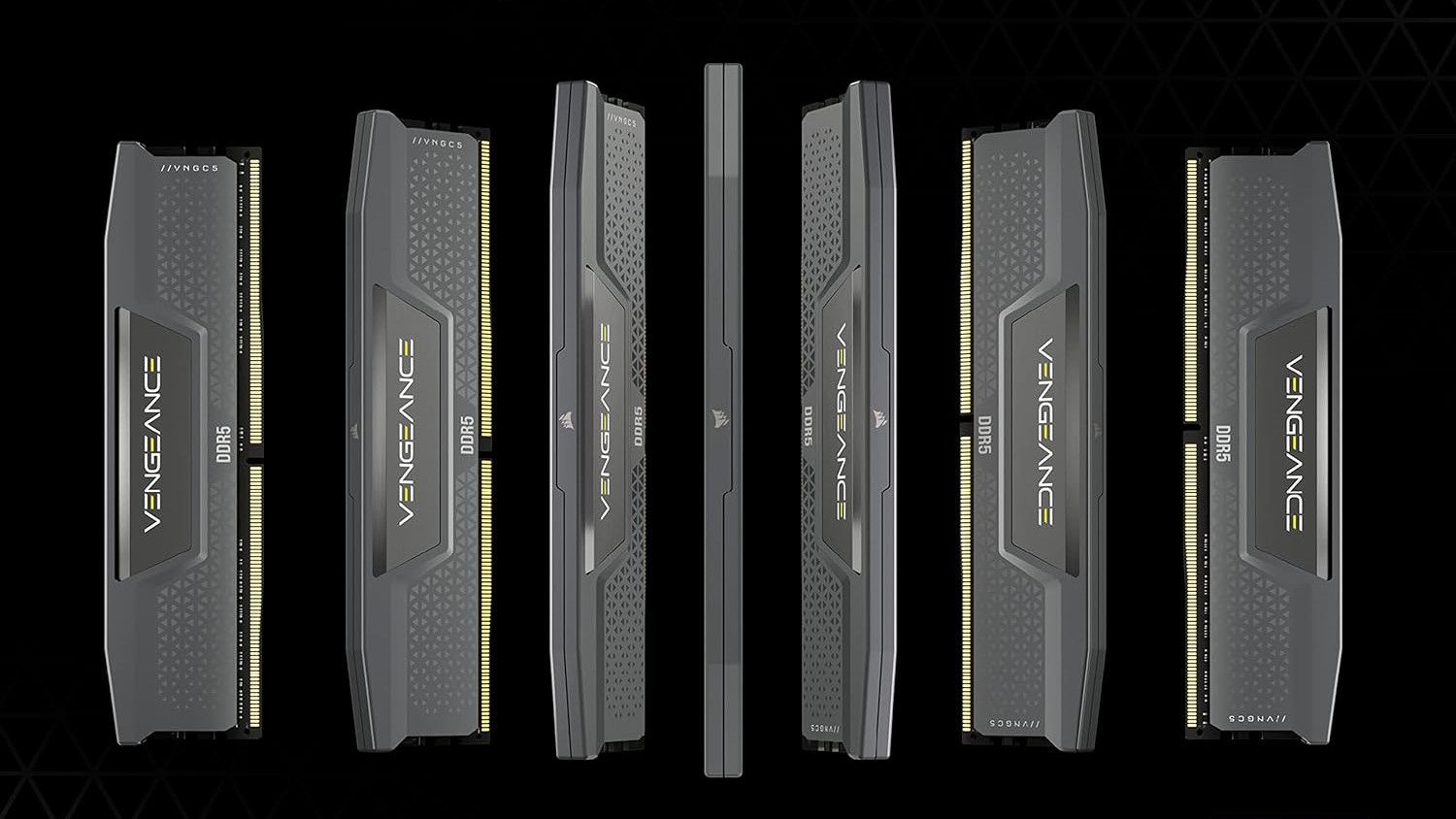
For individual builders, the impact is immediate. A $3,000 gaming PC now requires an additional $200-$300 just to secure the memory it needs, pushing the total cost into four-figure territory. For small businesses or freelancers, the choice is stark: invest in slower DDR4 (if compatible) or delay critical upgrades. The latter is becoming the default, as builders wait for prices to stabilize—or for alternatives to emerge.
But the longer-term consequences may be more insidious. The DDR5 shortage is accelerating the adoption of DDR4 in systems where it wasn’t originally intended, creating a two-tier market. High-end workstations and AI servers get the fastest memory, while mainstream users are left with slower, less efficient alternatives. This isn’t just a pricing issue; it’s a performance divide.
There are whispers of innovation on the horizon. Technologies like LPDDR5X, designed for mobile and embedded systems, could eventually trickle down to desktops, offering a middle ground between DDR4 and DDR5. However, these solutions are years away from widespread adoption, and even then, they may not fully replace the bandwidth requirements of AI workloads. For now, the market is stuck in a holding pattern—one where DDR5 remains the only viable option, but at a cost that’s forcing tough decisions.
A Glimpse of the Future?
The DDR5 pricing crisis serves as a microcosm of broader trends in the tech industry. As AI continues to demand more memory, the lines between consumer and enterprise markets will blur further. What was once a clear distinction—DDR4 for everyday use, DDR5 for professionals—is now a spectrum where every segment is competing for the same limited resources.
For buyers, the advice is straightforward: budget accordingly. The flash deals that once defined the memory market are fading, replaced by a reality where patience and flexibility are the only constants. Manufacturers are working to increase production, but the timeline remains uncertain. Until then, DDR5’s price tag isn’t just a number—it’s a reflection of the new priorities in computing: speed over affordability, and performance at any cost.
One thing is certain: the DDR5 shortage won’t be resolved overnight. The question for builders, businesses, and consumers alike is how long they’re willing to wait—and whether they can afford to wait at all.