A pivotal moment in the RAM crisis looms on the horizon, where years of scarcity may give way to sudden abundance—if economic conditions allow it. The transition, however, is fraught with uncertainty for small businesses that have relied on steady access to memory modules for servers and devices.
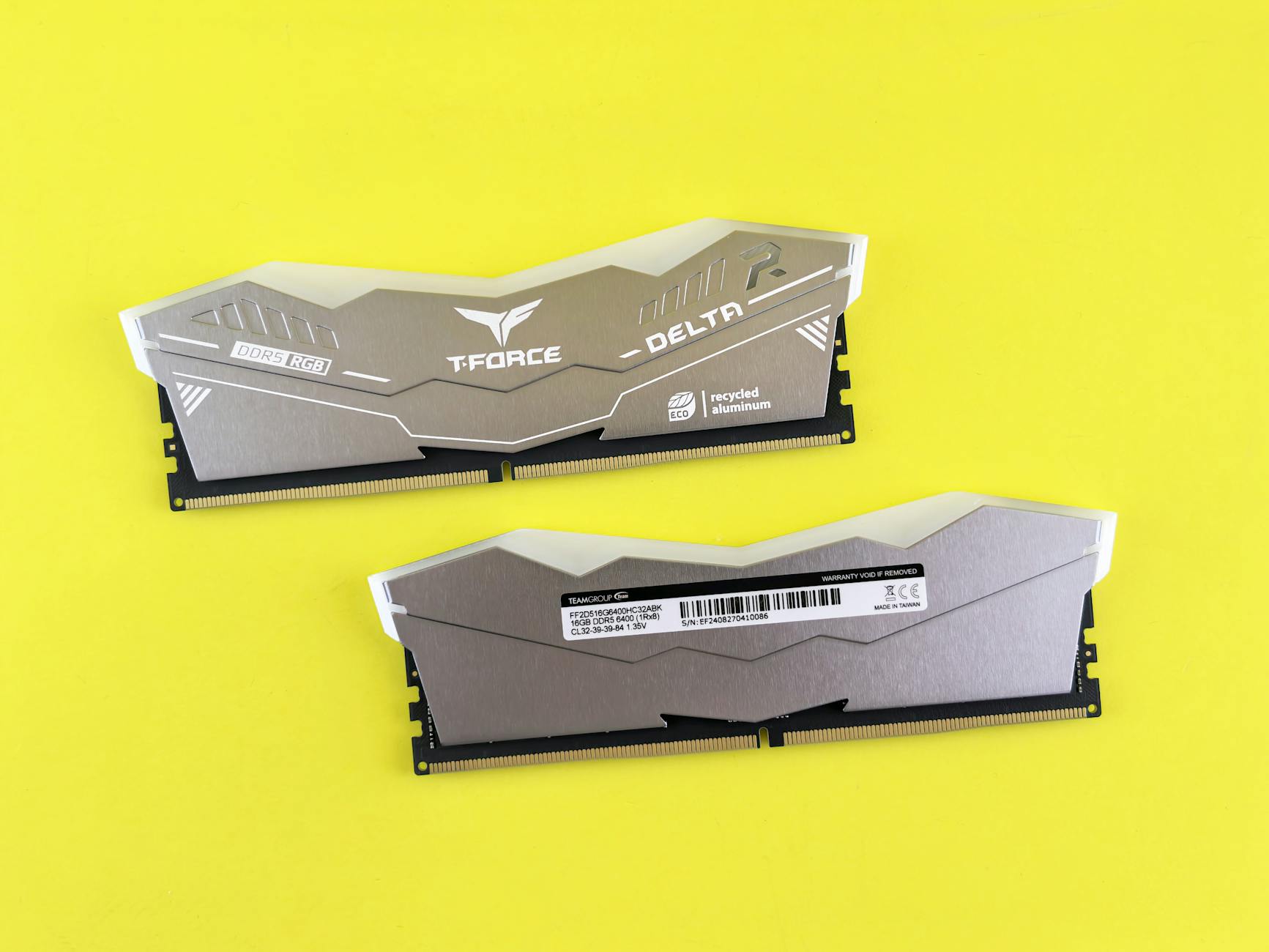
At the heart of this shift are aggressive production expansions by Asian manufacturers, particularly in China, where investments in advanced fabrication plants could unlock 30% more capacity for DDR5 modules alone. Some facilities are already ramping up output before year-end, but whether this translates into stable pricing depends on how swiftly demand cools. Analysts warn that if the economy weakens, the market could flip from scarcity to oversupply in a matter of months, leaving businesses scrambling to adjust.
For small operations, the challenge is balancing between two extremes: stockpiling modules while supplies remain tight or risking overordering as prices potentially plummet. The RAM market is at a crossroads—either a return to stability or a rapid correction—and those who plan ahead will be best positioned when the dust settles.
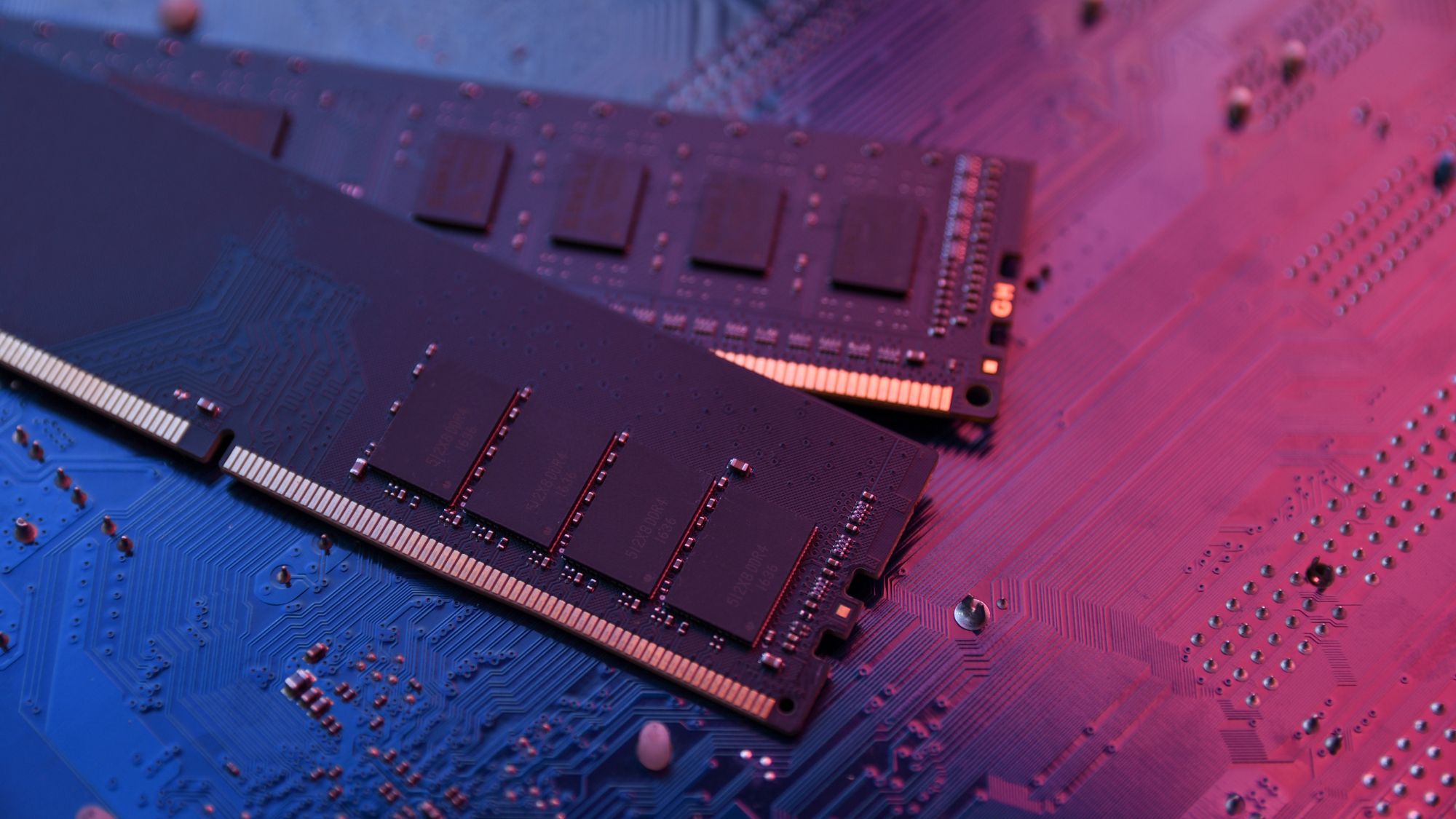
What’s confirmed so far? Major manufacturers have already announced plans to add 30% more production capacity for DDR5 modules alone, with some facilities expected to come online before year-end. However, whether this will translate into stable prices or price volatility depends on how quickly demand cools. Analysts caution that if the economy weakens, the oversupply could trigger a price collapse just as rapidly as the current shortage has driven them up.
For small businesses, the immediate takeaway is clear: stock up now while supplies remain constrained, but avoid overordering based on speculative timelines. The RAM market is at a crossroads—either a return to stability or a rapid correction—and those who plan ahead will be best positioned when the dust settles.