The global RAM shortage is not just a temporary blip—it’s a structural issue that could define supply chains for years to come. Industry executives are increasingly framing the crisis as one that will outlast short-term market fluctuations, with some suggesting it may not ease until at least 2030. The root cause lies in wafer production bottlenecks, which have become more pronounced as demand surges without a corresponding ramp-up in manufacturing capacity.
Small businesses are particularly vulnerable to this prolonged scarcity. While larger enterprises can negotiate long-term contracts or diversify suppliers, smaller players often lack the leverage to lock in stable pricing. The result is a market where RAM prices remain volatile, and inventory levels fluctuate unpredictably. This uncertainty forces businesses to make tough choices: stock up now at inflated costs or risk being left without critical components when demand spikes.
At the center of this supply crunch is SK Group, one of the world’s largest memory manufacturers. The company’s chairman recently underscored the severity of the situation, indicating that more than 20 percent of wafer production capacity could remain constrained through 2030. This translates to a sustained shortage in key RAM modules, particularly those used in high-density applications like data centers and advanced consumer electronics.
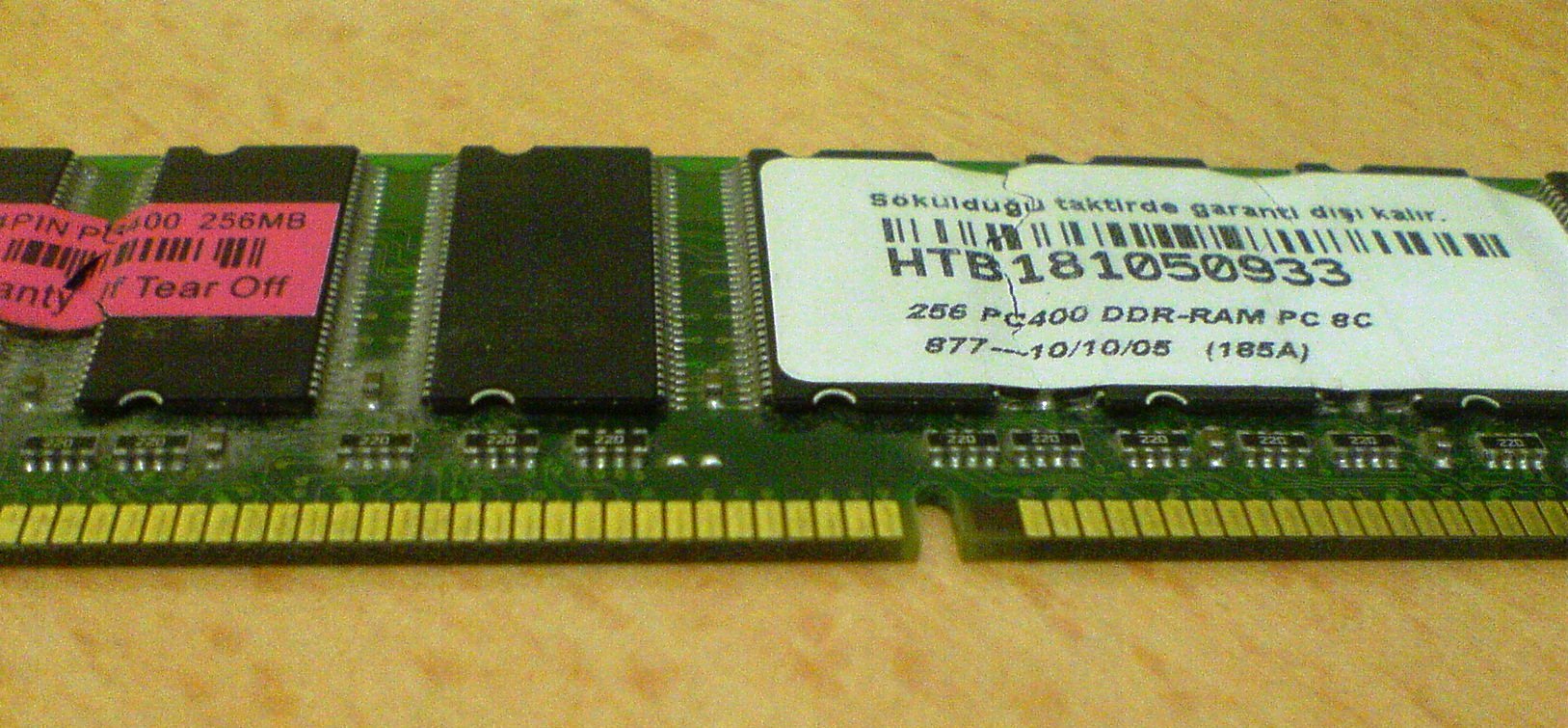
For businesses relying on memory-intensive hardware, the implications are significant. Data center operators, for example, face higher capital expenditures as they expand storage capacity, while consumer electronics manufacturers grapple with rising costs that could trickle down to end-users. The ripple effects extend beyond pricing—supply chain disruptions can delay product launches and limit innovation, particularly in emerging technologies like AI-driven hardware.
Manufacturers are not sitting idle; investments in new wafer fabrication plants are underway, but the timeline for meaningful relief remains uncertain. Without a substantial increase in production capacity, the shortage is likely to persist, leaving businesses to navigate an environment where RAM is both scarce and expensive. The challenge isn’t just managing current prices—it’s preparing for a future where supply may never fully catch up with demand.
As the industry grapples with this extended crunch, small businesses that can secure stable supply chains now may be better positioned to weather the storm. Those left scrambling as the shortage deepens risk falling behind competitors who have mitigated their exposure early. The question isn’t just whether prices will drop—it’s whether the market can realistically balance demand with production before the next decade begins.