Razer’s Agentic Desk Companion, AVA, is set to redefine productivity by moving beyond traditional chat interactions into proactive task execution. Unlike conventional AI assistants that require manual prompting, AVA is designed to understand user intent and handle multi-step workflows independently. This shift could set a new standard for efficiency in both professional and gaming environments.
Platform Requirements and Compatibility
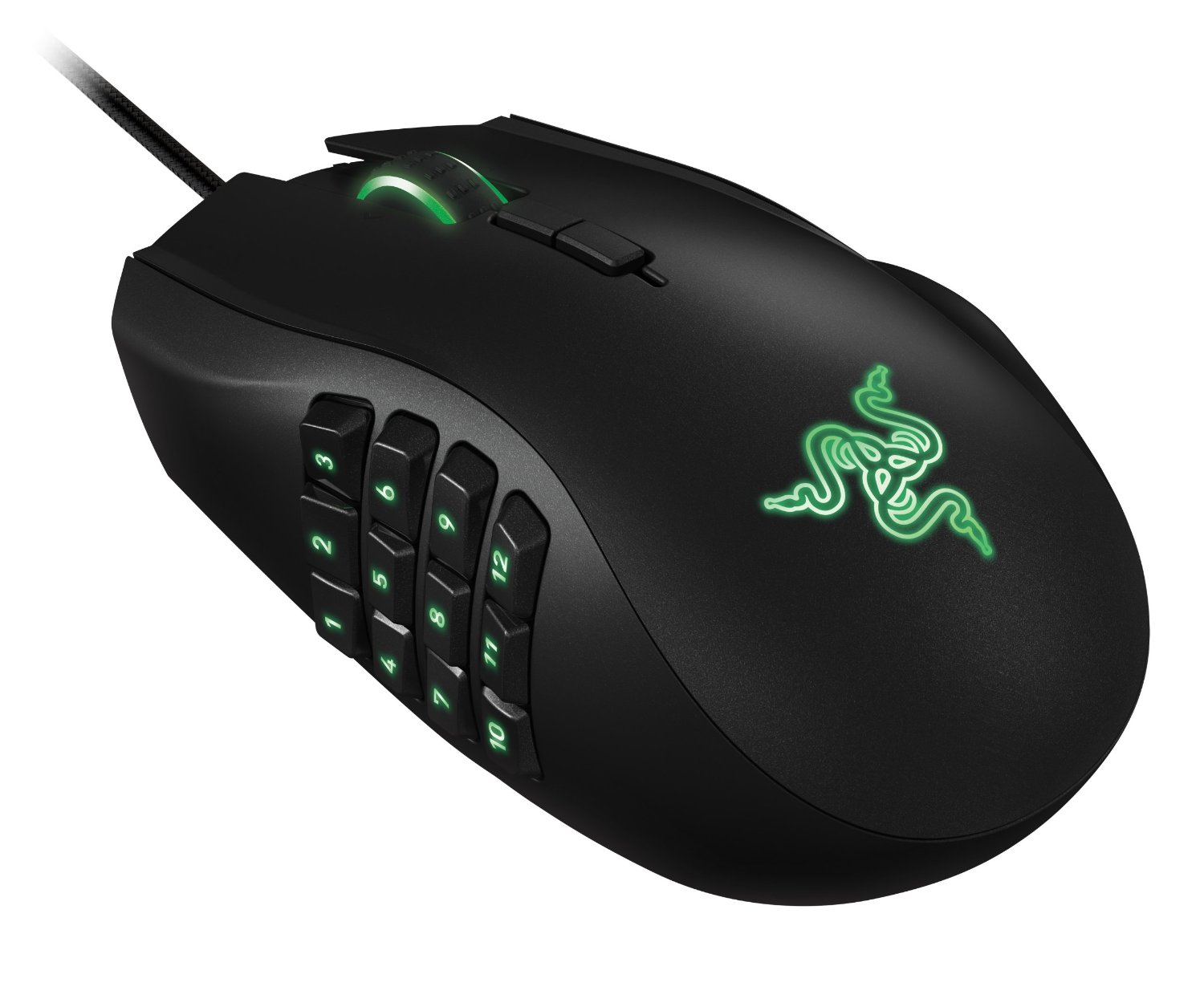
AVA will operate across multiple platforms but requires compatibility with modern operating systems and Razer’s hardware ecosystem. To fully leverage its capabilities, users will need to integrate devices like the Basilisk gaming mouse or Chroma-capable peripherals into their setup. This alignment ensures seamless functionality, whether automating quality assurance processes in game development or streamlining everyday tasks.
Key Functionalities
- Structured Task Execution: AVA will generate test cases and simulate gameplay scenarios, potentially accelerating QA cycles in development pipelines. It can produce functional, negative, and boundary test cases, addressing gaps that manual testing often overlooks.
- Multi-Sensory Immersion for Gamers: AVA may enhance gaming experiences through advanced sensory features, though the extent of this impact remains to be seen.
Razer’s emphasis on augmenting human capabilities rather than replacing them reflects a growing industry trend toward AI as a collaborative partner. However, its success will depend on delivering tangible results without falling into what Razer’s leadership has described as 'AI slop'—tools that overpromise and underdeliver.
Target Users
The primary audience for AVA includes game developers who could see significant productivity gains in QA processes, where manual testing often becomes a bottleneck. Gamers may also benefit indirectly through improved game experiences, though the practical advantages are still speculative at this stage.
Razer’s broader strategy positions AVA as part of an 'AI-Powered Future of Play,' integrating AI deeply into both hardware and software. The challenge ahead is proving that it can live up to its ambitious promises while maintaining real-world usability.
Unresolved Questions
Despite the hype, AVA’s effectiveness in practice remains uncertain. Will it truly streamline QA processes, or will it introduce new complexities? Can it adapt to the unpredictable nature of game development without requiring excessive manual oversight? These questions will only be answered once developers and users have hands-on experience with the system.
The companion is slated for a Q2 2026 release, setting the stage for a potential shift in how AI assistants are perceived. If it succeeds, AVA could redefine efficiency in both professional and gaming contexts—but its long-term impact will hinge on execution and real-world performance.