The gap between old and new hardware just got wider. A mid-range RDNA 3 GPU now loads Forza Horizon 6 in four seconds—down from 90 seconds on previous-generation cards. That’s not a typo; it’s the result of Microsoft’s Advanced Shader Delivery tech landing on AMD’s latest architecture, turning a multi-minute wait into a near-instantaneous experience.
This isn’t just about faster load screens. It’s about operational cost: fewer seconds spent staring at a blank screen translate to more gameplay, more matches, and less frustration for competitive players. For the first time, entry-level GPUs are delivering pro-level responsiveness without requiring a four-figure price tag.
- GPU Family: RDNA 3
- Load Time Improvement: 87% faster (4s vs. 90s)
- Target Game: Forza Horizon 6
- Enabling Tech: Microsoft Advanced Shader Delivery
But why does this matter beyond benchmarks? Because it signals a shift in how game assets are delivered. Previous generations relied on brute-force compression and multi-threaded unpacking, which still left players waiting. RDNA 3 GPUs, however, leverage real-time shader compilation and asset streaming, effectively turning the GPU into an active participant in level loading rather than just a passive decoder.
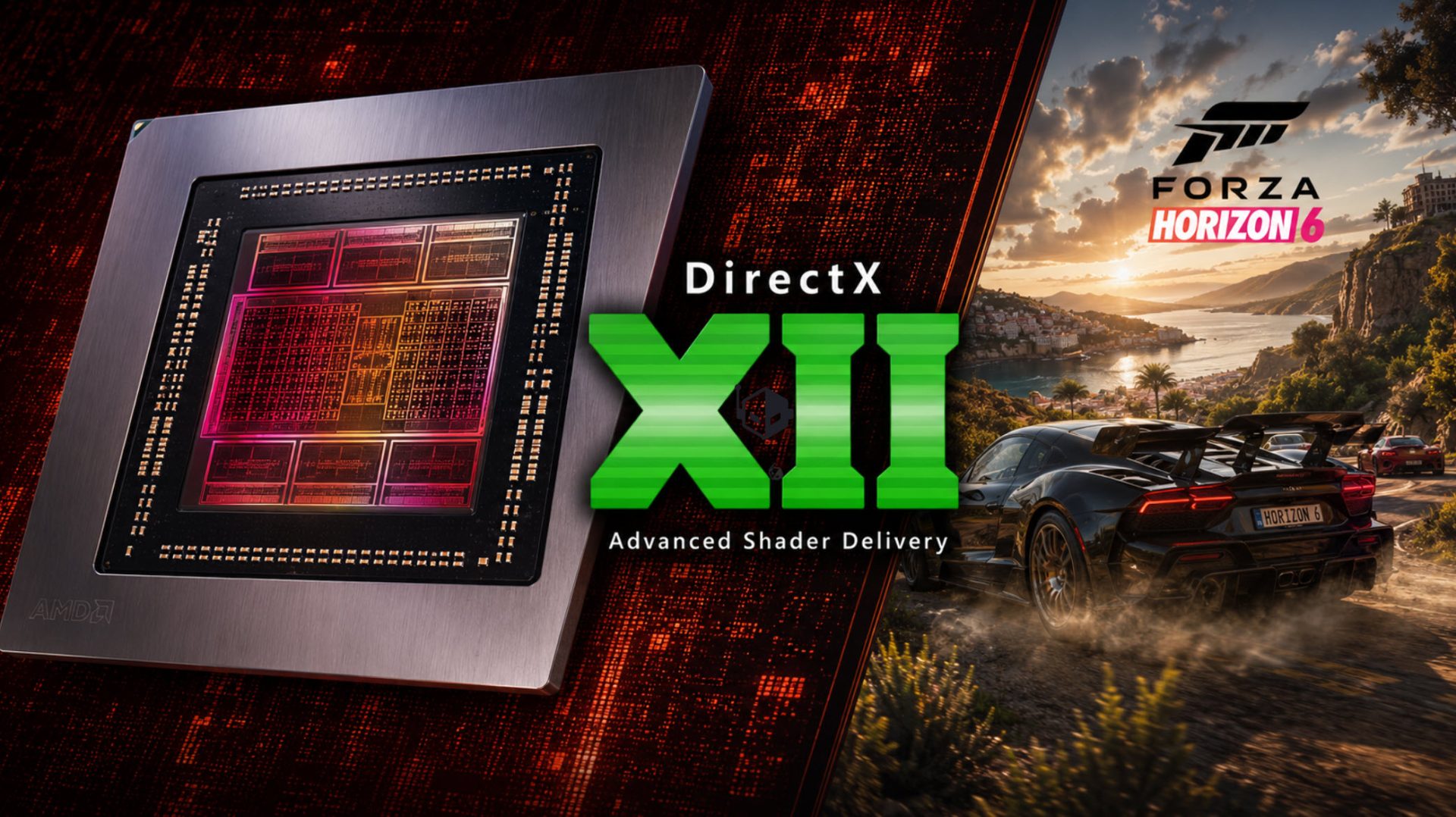
This efficiency isn’t limited to Forza Horizon 6. AMD’s RDNA 3 architecture is designed to handle next-gen game assets more intelligently, meaning smoother frame pacing, reduced stutter, and faster transitions between scenes—all without sacrificing visual quality. The trade-off? It requires careful driver optimization, but the payoff for power users is clear: lower operational cost in terms of both time and performance.
What to watch next: Pricing and availability are not yet confirmed, but with RDNA 3 GPUs already in production, expect this level of responsiveness to roll out across more titles soon. If past patterns hold, the first wave will likely target mid-range models before cascading down to budget tiers.