Capcom’s *Resident Evil Requiem* isn’t just another entry in the franchise—it’s a technical and sensory showcase for the PlayStation 5 Pro. The game’s dual performance modes represent a bold gamble: do you prioritize photorealistic 4K ray tracing at 60FPS, where every shadow and reflection sharpens the atmosphere, or opt for the raw, adrenaline-pumping responsiveness of 120FPS (averaging 90FPS) without ray tracing? There’s no one-size-fits-all answer. Instead, the choice forces players to confront a fundamental question: What kind of horror do you want to experience?
The decision isn’t merely about visual fidelity or frame rates—it’s about the *feeling* of the game. Ray tracing immerses players in a world where light and shadow react dynamically, turning every corridor into a labyrinth of potential threats. Yet, when that same world stutters at 60FPS, the disconnect between input and output becomes jarring. The 120FPS option, by contrast, strips away some of that cinematic polish but delivers a level of precision that makes survival feel like a reflexive, almost instinctual act. This isn’t just about higher numbers; it’s about recalibrating the player’s relationship with fear.
The Science of Survival: How *Requiem* Uses Tech to Terrify
At the heart of *Resident Evil Requiem*’s innovation lies the DualSense controller, repurposed as a tool for psychological manipulation. The game’s director has emphasized that every horror element is designed to exploit the human body’s natural responses—vibrations that mimic the grittiness of a zombie’s teeth sinking into flesh, adaptive triggers that simulate the recoil of a shotgun or the resistance of a reloading lever, and environmental audio that makes the sound of a distant scream or a rattling puzzle box feel *imminent*.
Consider the act of dying. In most games, death is a passive moment—a flash of white, a respawn screen. Here, it’s a visceral event. The DualSense’s haptics replicate the final, desperate struggle of a bite, with vibrations pulsing in sync with the damage meter. The adaptive triggers lock up as if the character’s muscles are seizing. It’s not just about scaring players—it’s about making them *feel* the consequences of failure.
This level of sensory engagement isn’t confined to the PS5 Pro. Capcom has confirmed that PC players using the DualSense will experience the same tactile feedback, ensuring a consistent horror experience across platforms. For those without the controller, the game retains its core mechanics but sacrifices some of the immersive weight. The message is clear: *Resident Evil Requiem* is built for an era where gaming is no longer just about seeing and hearing—but *feeling*.
A New Leon: Brutality Meets Precision
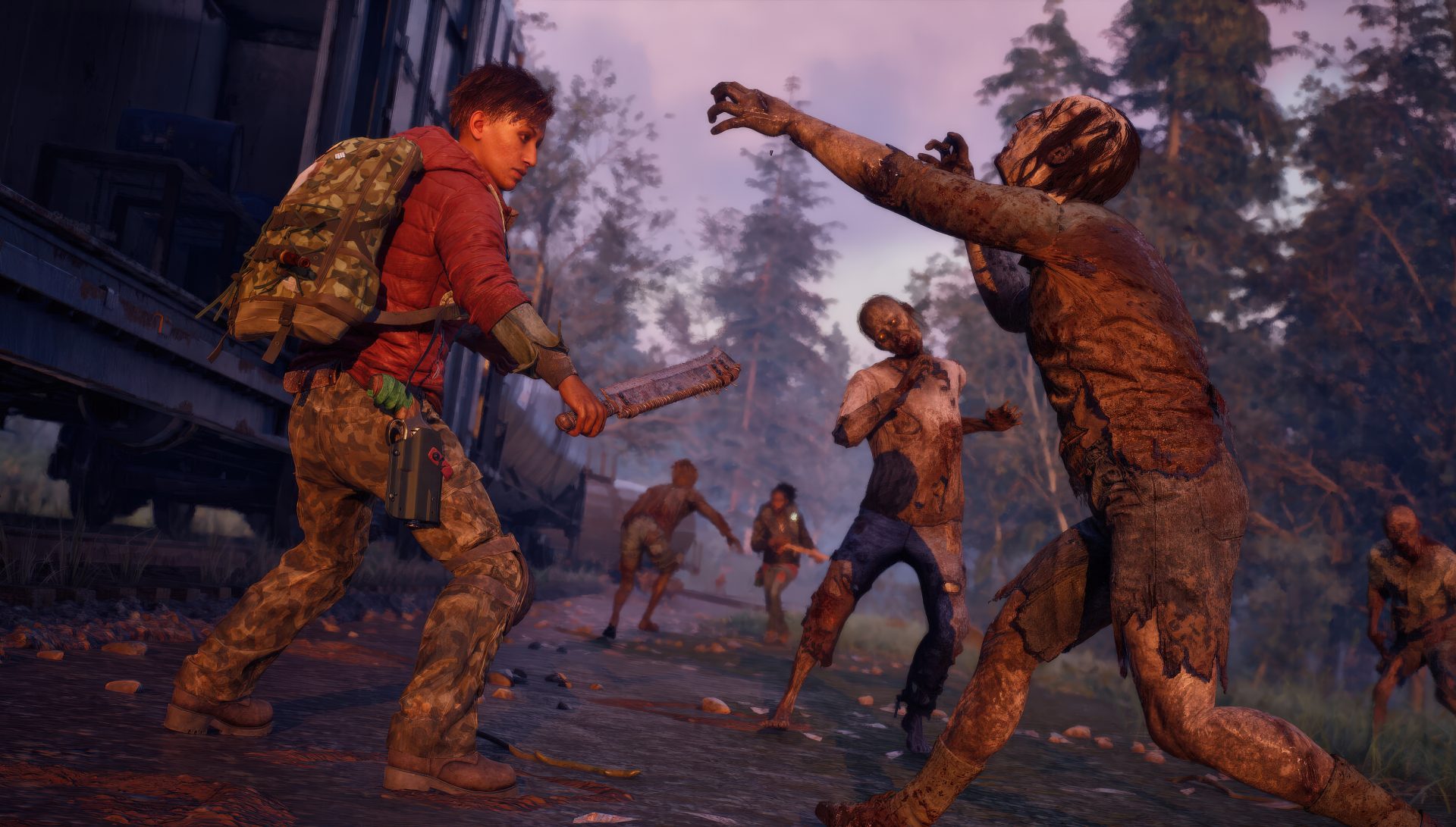
The first extended gameplay footage of Leon Kennedy, uploaded by a prominent gaming content creator, underscores the game’s commitment to brutal, methodical combat. Leon’s playstyle is a study in contrast: his movements are fluid, almost dance-like, yet his attacks are devastating. The footage highlights how the game’s physics engine allows for environmental interactions—kicking over barrels to create cover, using debris as improvised weapons, or exploiting the weight of a shotgun’s recoil to your advantage.

What stands out is the game’s attention to detail in weapon handling. Each gun feels distinct—not just in appearance, but in how it responds to the DualSense’s adaptive triggers. A pistol’s recoil is sharp and controlled, while a shotgun’s kickback is a jarring, full-body sensation. Even melee combat benefits from this tactile feedback, with the sound of a knife slicing through flesh accompanied by a brief, sharp vibration.
Leon’s introduction also teases the game’s pacing. *Resident Evil Requiem* isn’t just about relentless action—it’s about moments of eerie calm, where the only sound is the player’s breathing (simulated through the DualSense’s built-in microphone) and the distant groans of the infected. These contrasts are deliberate, designed to keep players on edge, never sure whether the next second will bring respite or a horrific encounter.
Who Will This Game Satisfy?
The PS5 Pro’s dual-mode performance isn’t just a technical flex—it’s a deliberate appeal to two distinct player archetypes. For purists who crave the most visually stunning experience, 4K ray tracing at 60FPS delivers a level of detail that makes the game’s Raccoon City feel alive in ways few titles have achieved. The trade-off is a slightly less responsive experience, but for those who prioritize atmosphere over fluidity, the sacrifice is worth it.
On the other hand, players who thrive on high-frame-rate action—whether for competitive reflexes or simply the sheer thrill of a buttery-smooth experience—will find their groove in the 120FPS mode. The difference between 60FPS and 120FPS in a survival horror game is profound. At lower frame rates, tension builds in fits and starts; at higher rates, every dodge, every shot, every parry feels immediate and reactive. It’s the difference between watching a horror movie and being its protagonist.
Capcom’s decision to offer both modes isn’t just about flexibility—it’s about democratizing the experience. Not every player has a 4K display capable of handling ray tracing at high settings, nor do all gamers seek the same kind of immersion. By providing options, *Resident Evil Requiem* ensures that whether you’re a visual perfectionist or a frame-rate chaser, the game will meet you where you are.
With its late-February release, *Resident Evil Requiem* arrives at a pivotal moment for the franchise. It’s a return to the series’ roots—where survival is earned through skill, not just button-mashing—while pushing the boundaries of what a PlayStation game can do. In an era where many titles prioritize spectacle over substance, *Requiem* reminds players that horror isn’t just about scares. It’s about making them *feel* something.
The question now isn’t whether the game will deliver—but how deeply it will make you *experience* the terror of Raccoon City.