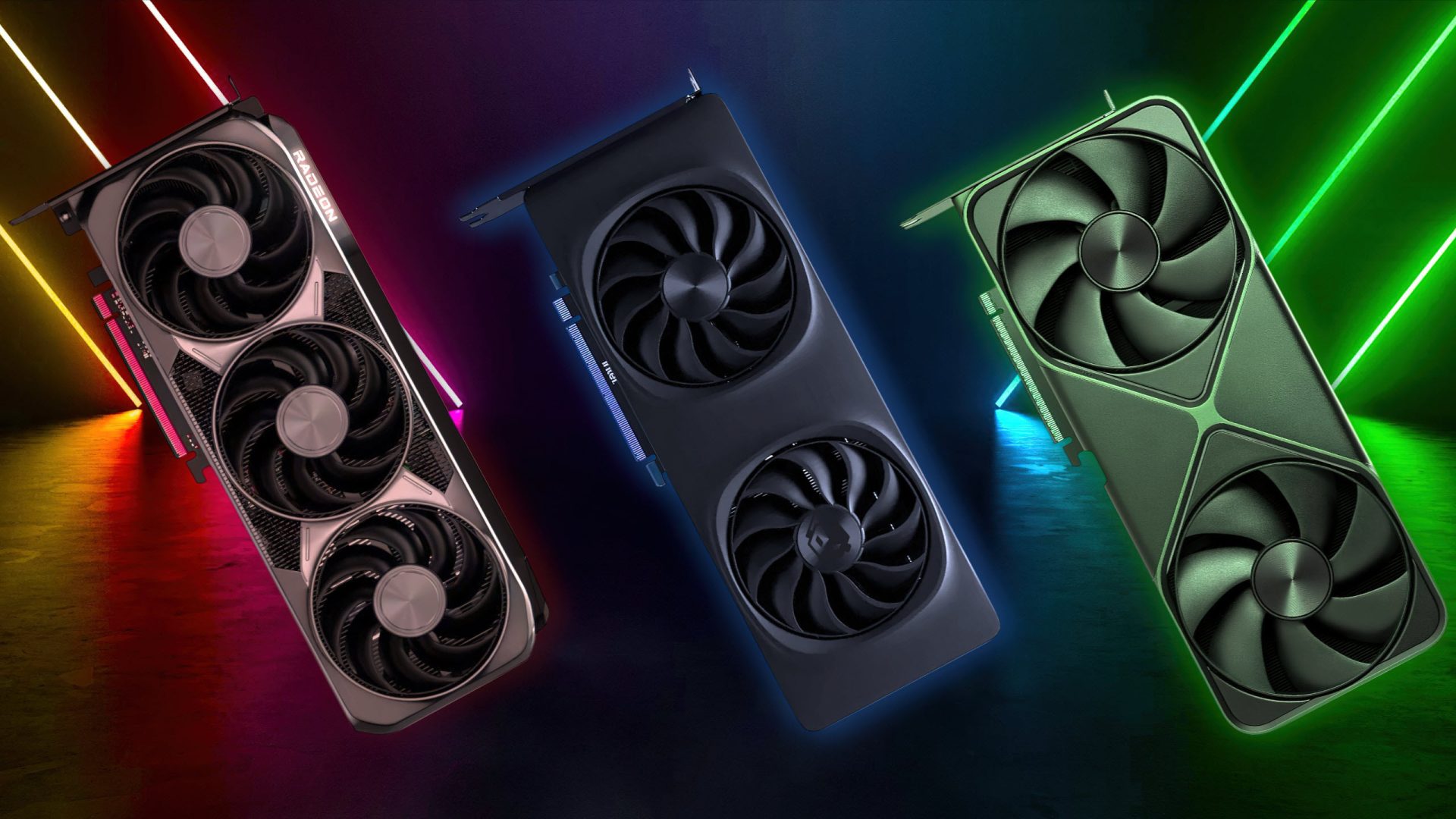
Gaming PCs are evolving faster than ever, but the heart of that evolution isn’t just about raw power anymore. The RTX 5070’s meteoric rise—from near obscurity to a top contender in just months—isn’t just a story of performance. It’s a reflection of how memory capacity, system requirements, and even panic buying are reshaping upgrade decisions. For those standing on the sidelines, the question isn’t whether to upgrade anymore; it’s which card will serve them best as games demand more VRAM and RAM becomes a bottleneck in its own right.
The RTX 5070’s dominance isn’t accidental. It strikes a balance that older cards, like the RTX 4060, can no longer match—not because it’s the most powerful option on paper, but because it offers enough VRAM to handle modern games without the cost or power draw of higher-end GPUs. Meanwhile, its budget counterpart, the RTX 5060 with just 8 GB of VRAM, has also seen a surge, though its long-term viability hinges on how quickly game developers push memory requirements upward.
Key Specs: The Numbers That Matter
- RTX 5070: Built on NVIDIA’s Blackwell architecture, it packs 12 GB of DDR5 VRAM. This configuration is designed to deliver high-efficiency performance while keeping power consumption in check—a critical factor for gamers who want to stretch their system’s lifespan without overhauling their entire build.
- RTX 5060: The entry-level Blackwell card, it comes with 8 GB of VRAM, likely using DDR4 or a lower-power variant of DDR5. While this may sound limiting today, its appeal lies in its affordability. However, if game developers continue to push memory demands, this card could become a short-term solution with long-term drawbacks.
- RTX 5080: Positioned as NVIDIA’s premium offering, it features 16 GB of VRAM and is aimed at gamers who want a higher-end experience without jumping to the RTX 70 Ti series. Its market share remains smaller, but its presence signals a growing demand for cards that can handle both high-resolution gaming and advanced ray tracing.
- RAM Trend: The shift toward 32 GB of DDR5 system memory is no longer a niche requirement—it’s the new standard on Steam-powered PCs. Prices for this capacity have stabilized in some regions, but others report potential price hikes in the coming weeks, adding another layer of complexity to upgrade decisions.
The RTX 5070’s strength lies in its ability to future-proof without overpromising. It’s not just about performance today; it’s about ensuring that gamers won’t be left behind as memory demands grow. But this also means that buyers must consider their system’s overall memory configuration, because a GPU with ample VRAM won’t matter much if the rest of the system can’t keep up.

Real-World Takeaways: What This Means for Gamers
The RTX 5060’s popularity is a double-edged sword. On one hand, it offers an affordable entry point into NVIDIA’s Blackwell lineup—a card that, for now, can handle most games at 1080p without major issues. On the other, its limited VRAM means that gamers who invest in it today might find themselves needing another upgrade sooner than expected if developers continue to push memory requirements upward.
Meanwhile, AMD’s RX 9000 series has quietly disappeared from Steam’s usage stats—a sign that NVIDIA’s Blackwell architecture has taken a significant lead. If a new GPU line isn’t even showing up in adoption metrics, it suggests that its market penetration is either extremely low or nonexistent. For buyers, this means that the RTX 5070 and its siblings aren’t just leading the charge; they’re setting the pace for what comes next.
Who Should Care About This Shift?
This shift matters most for gamers who are already on the fence about upgrading. If you’re currently using an RTX 4060 and playing games at 1080p or lower, the performance jump to an RTX 5070 may not be dramatic—but it could extend your system’s lifespan by years, especially if you pair it with a modern CPU and enough RAM.
For those eyeing higher resolutions or advanced ray tracing, the RTX 5070 is more compelling than ever. It offers a balance of performance and efficiency that older cards simply can’t match. However, the catch lies in system memory: if you’re upgrading your GPU, you’ll also need to budget for at least 32 GB of DDR5 RAM unless you’re willing to risk limited VRAM in future games.
Where Things Stand Now
The RTX 5070 has solidified its place as the go-to mid-range GPU, but its success hinges on one critical question: Will it remain relevant as game memory demands grow? For now, buyers are prioritizing it over older options, but the long-term answer depends on how NVIDIA and developers navigate the VRAM crunch. One thing is clear—upgrading isn’t just about performance anymore; it’s about preparing for what comes next.
As RAM prices fluctuate and VRAM demands rise, gamers must weigh immediate needs against future-proofing. The RTX 5070’s surge is a sign that the market is moving in one direction: toward cards that can handle today’s games while leaving room for tomorrow’s. For those who act now, it could mean years of smooth performance. For those who wait, it might mean playing catch-up with memory requirements they didn’t see coming.