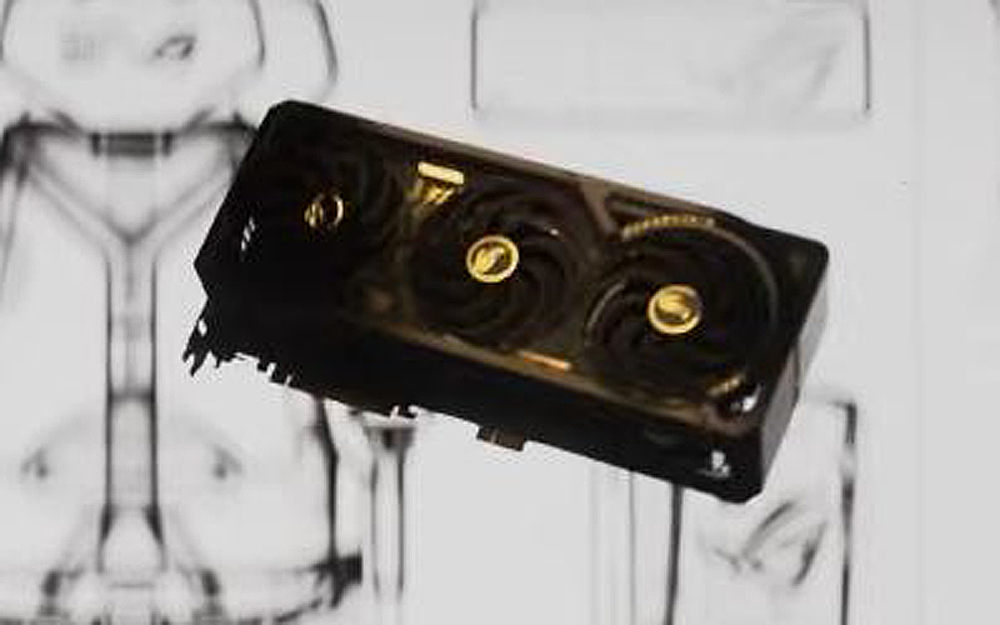
There are no fanfare announcements, no press releases, just the slow creep of price tags on store shelves: ASUS’s RX 9070 XT GPUs now cost 17% more than they did a week ago. The change is clean—no regional outliers, no stockist exceptions—just a uniform $80 to $140 increase across three variants sold in the US. It’s not tied to a new model, a feature update, or even a supply shift; it’s simply a price reset that caught most buyers off guard.
The RX 9070 XT is still a mid-range card—it doesn’t challenge the RTX 5090 at the top end nor does it sit comfortably in the budget bracket. Yet this sudden re-pricing forces a recalibration: what was once a solid value proposition now feels stretched, especially when measured against the RTX 5060 and RX 9070 that share its performance tier.
Key specs remain unchanged
- Model variants: ASUS Prime OC, TUF Gaming OC (black), and a black Prime OC variant
- Memory: 16 GB GDDR6, 256-bit bus
- Power draw: 250 W (12VHPWR connector)
- Previous pricing: $799.99–$849.99; current: $939.99–$989.99
The jump isn’t explained by hardware upgrades—no new chip revision, no added VRAM, no clock boosts. It’s purely a retail adjustment, likely triggered by ASUS’s internal inventory push rather than market demand.
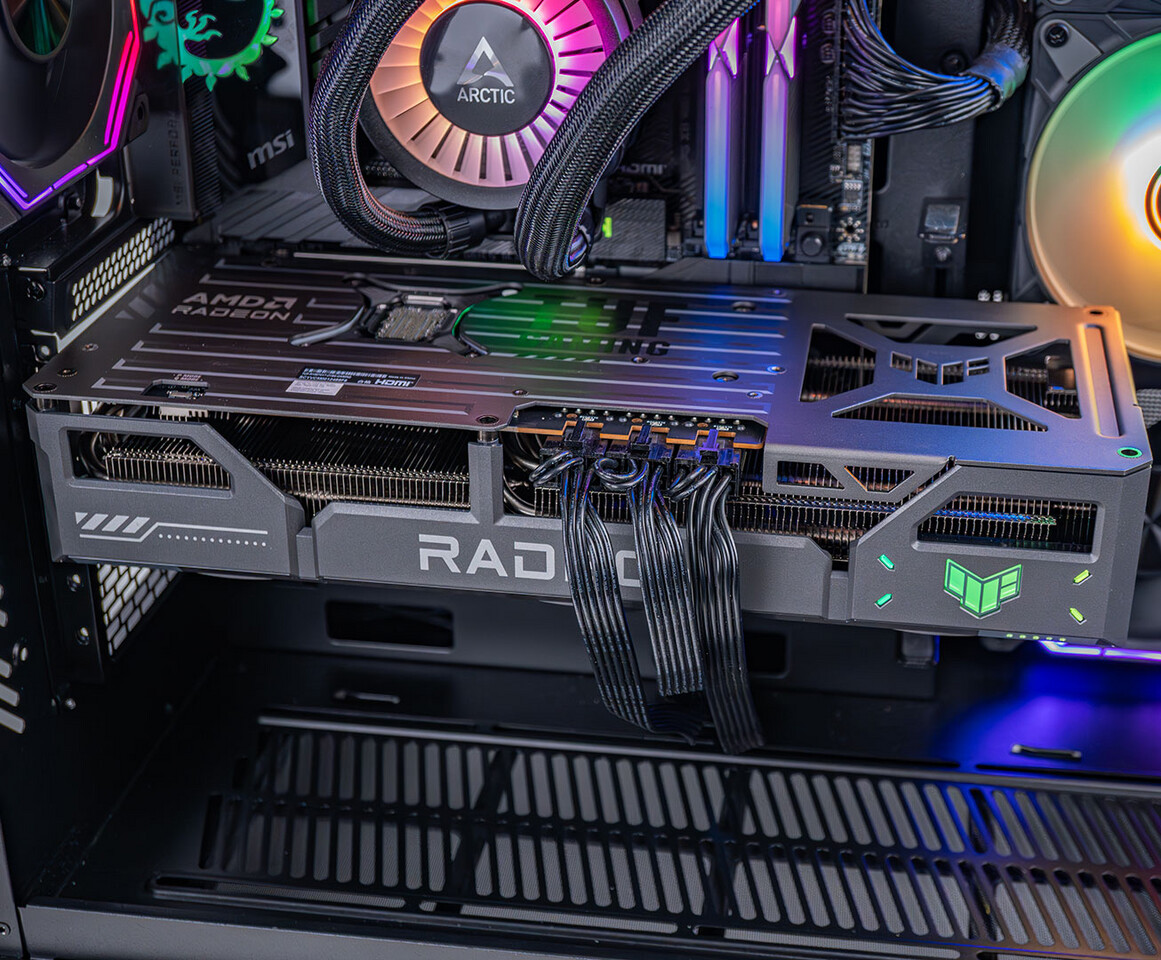
For power users, the impact is twofold: first, the card now sits closer to the RTX 5070 in price, which offers more ray-tracing performance and DLSS 4 support. Second, it leaves a gap between itself and the RX 9070 (the non-XT variant), which still carries a $200 lower MSRP but delivers nearly identical raw performance in most benchmarks.
This isn’t an isolated incident—NVIDIA’s RTX 5070 Ti production has reportedly halted, and the RTX 5090 is rumored to hit $5,000 later this year. But where those moves carry strategic weight, the RX 9070 XT re-pricing feels like a quiet correction, one that may push more buyers toward the RX 9070 or wait for the next architecture cycle.
The real question isn’t whether the price is justified—it’s whether this pattern becomes the new normal. If mid-range GPUs keep seeing unexplained jumps without matching performance, the value tier will shrink faster than expected.