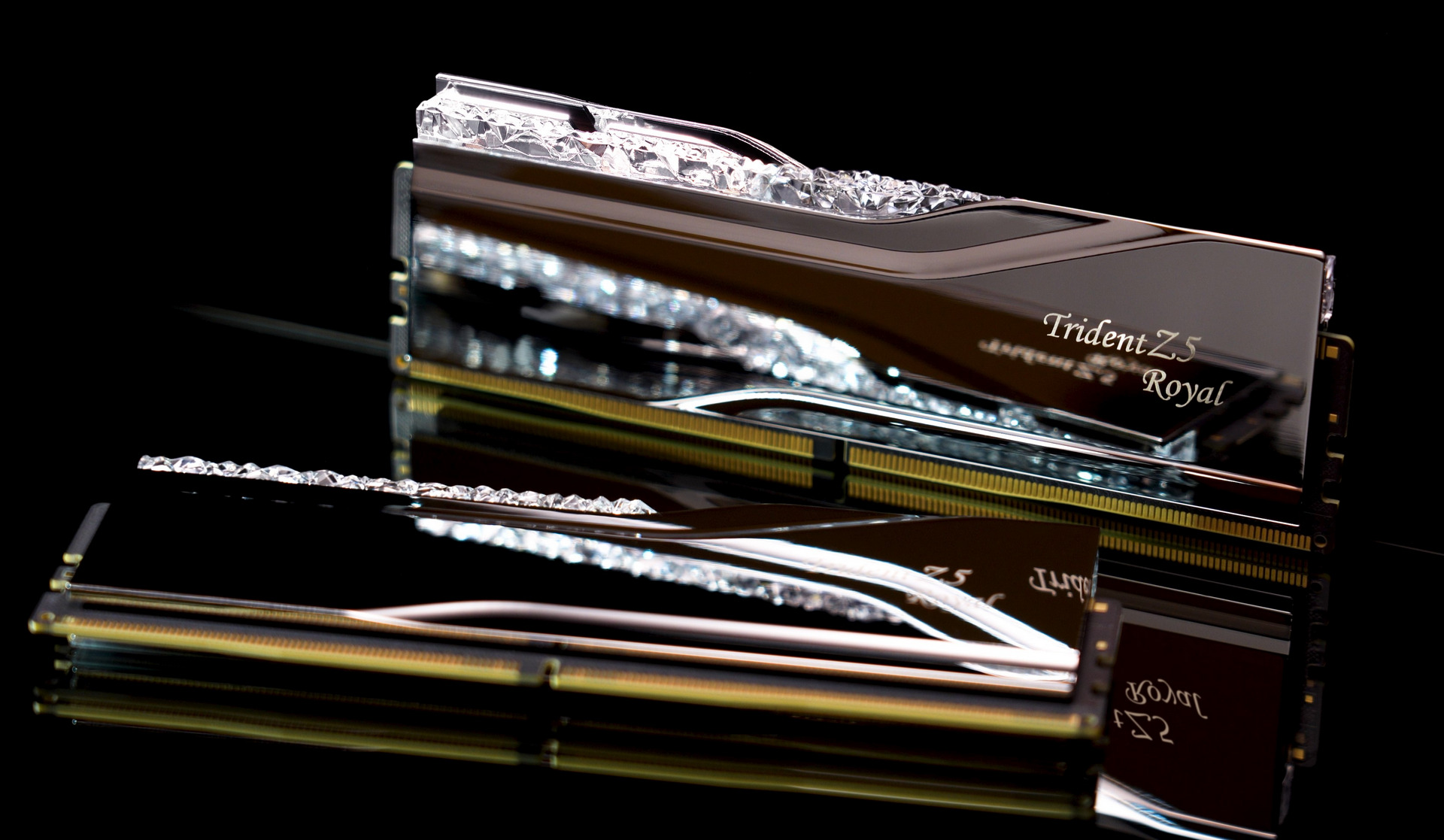
The Galaxy S26 series is breaking from tradition by incorporating memory chips from both Micron and Samsung’s own DS division, with roughly half of early units set to feature Micron’s LPDDR5X instead of Samsung’s in-house solution. This unusual split underscores a pivotal moment in the smartphone industry, where memory costs now account for up to 40% of a device’s bill of materials—up from a historical 10-15%. The decision also highlights Samsung’s strategic pivot, as its DS division prioritizes high-margin sales to Apple over discounts for its mobile arm.
This isn’t the first time Samsung has relied on external DRAM suppliers. For the Galaxy S25 series, Micron was the sole provider due to perceived quality advantages at the time. However, Samsung’s DS division quickly closed the gap, allowing the company to shift to a 60/40 split favoring its own chips in later models. Now, with memory prices at an all-time high, the balance has flipped again—at least for the initial batches of the S26.
Camera System: A Glimpse at Flagship Imaging
While the S26 series maintains Samsung’s signature camera design—including a triple-lens setup on the Ultra model—specific sensor upgrades remain under wraps. Industry sources suggest potential improvements in computational photography, but no major leap in megapixel counts or zoom capabilities has been confirmed. The shift in memory supply, however, could indirectly influence camera performance, as faster DRAM can accelerate real-time processing for features like HDR and AI-enhanced shots.
Core Hardware: What’s Under the Hood?
The Galaxy S26 series is expected to retain the Exynos 2400 or Snapdragon 8 Gen 3 platform, depending on regional markets, with no significant clock speed or core architecture changes. However, the 50/50 memory split introduces a variable performance factor: Micron’s LPDDR5X chips are often optimized for latency and bandwidth, which could benefit gaming and multitasking scenarios. Meanwhile, Samsung’s in-house DRAM may offer tighter integration with its Exynos chips, potentially improving efficiency in AI workloads.

- Memory: LPDDR5X (split between Micron and Samsung DS, ~50/50 for initial batches)
- Battery: 5,000mAh (Galaxy S26 Ultra), downgraded from the S25 Ultra’s 5,000mAh but with optimized charging efficiency
- Display: 6.8-inch Dynamic AMOLED 2X (2,340 x 1,080, 120Hz LTPO)
- Chipset: Exynos 2400 (global) / Snapdragon 8 Gen 3 (select regions)
- Storage: Up to 1TB UFS 4.0
- Cameras: 50MP main (f/1.8), 12MP ultrawide (f/2.2), 50MP telephoto (3x optical zoom, f/2.4) on Ultra model
- Connectivity: 5G, Wi-Fi 6E, Bluetooth 5.4
- Ports: USB-C (3.2 Gen 2), no 3.5mm jack
This memory split isn’t just a supply chain quirk—it reflects a broader industry trend where DRAM costs now rival those of the CPU and display combined. For consumers, the choice between Micron and Samsung’s DRAM may translate to subtle differences in app responsiveness and battery life, though Samsung’s software optimizations could mitigate any gaps. The S26 Ultra’s battery capacity remains unchanged from its predecessor, but the memory decision could influence how efficiently power is allocated across tasks.
Power users and gamers might prefer Micron’s DRAM for its raw speed, while those relying on Samsung’s Exynos integration could see marginal gains in AI tasks. The 50/50 split suggests Samsung is hedging its bets, ensuring consistent performance regardless of which chip lands in a given unit. As for pricing, the memory decision could lead to slight variations in cost, though Samsung is unlikely to advertise the difference. Availability for the Galaxy S26 series is expected in late March, with pre-orders likely opening in early April.