Subnautica 2 has arrived in early access, bringing with it a fresh take on survival and crafting in an alien ocean. Players are now faced with the challenge of building a sustainable base while navigating the dangers of a deep-sea environment. The game introduces a new way to craft items, focusing on resource efficiency and strategic planning.
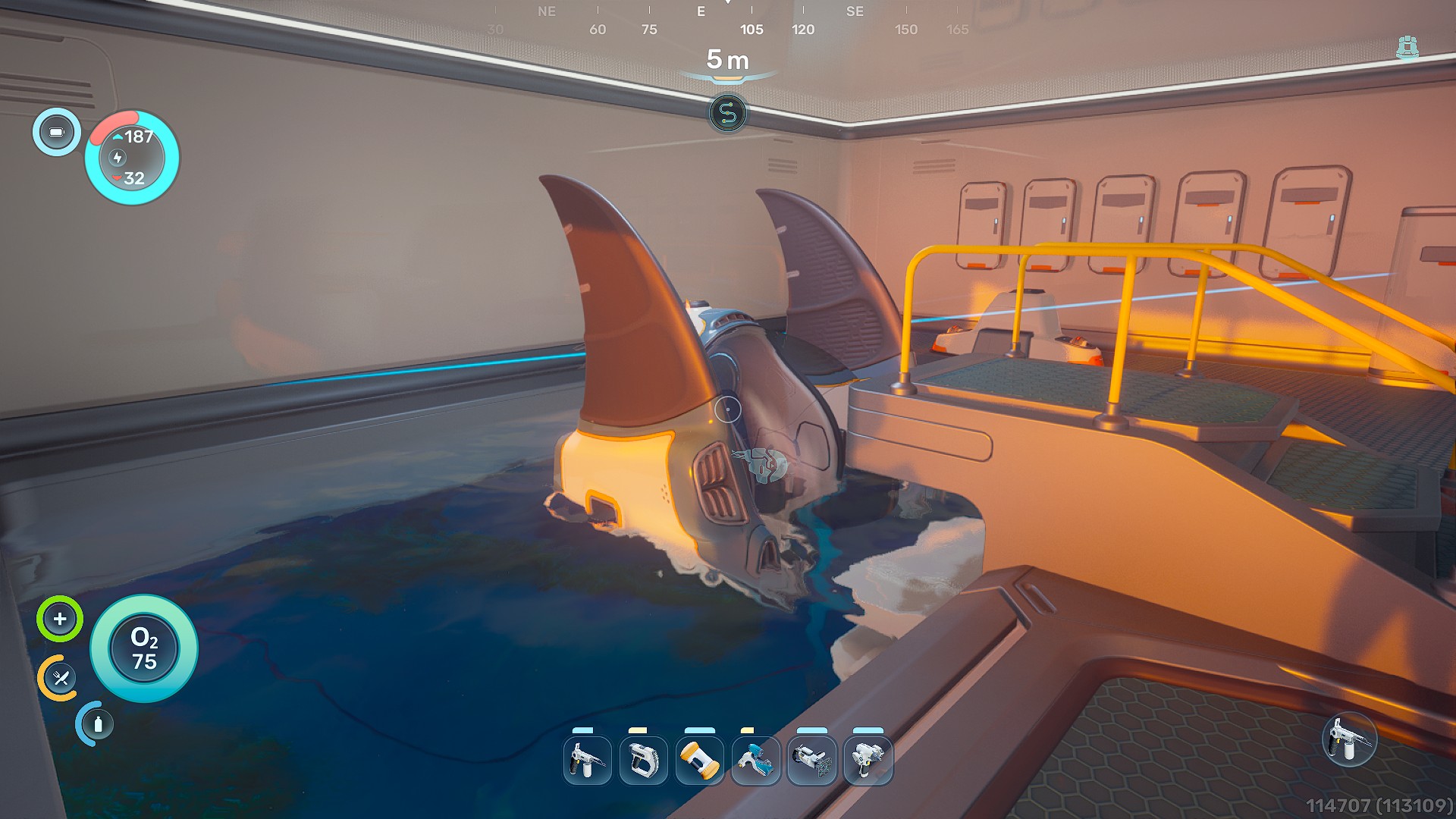
The core mechanic revolves around gathering resources—metal fragments, rare minerals, and organic materials—to build and upgrade structures. A standout feature is the ability to craft a tadpole, a mobile base that can drift through water currents, offering players unprecedented mobility in their survival efforts. This addition changes how players approach long-term survival, forcing them to balance resource management with the need for constant movement.
Strategic Resource Management
Crafting in Subnautica 2 is designed to be methodical. Players must scavenge for materials while avoiding predators and environmental hazards. The tadpole, crafted from specific components, serves as a mobile platform that can be upgraded with additional modules, such as storage or power systems. This introduces a layer of complexity where players must decide whether to invest in stationary bases or prioritize mobility.
- Key Materials for Tadpole Crafting:
- Metal Fragments (Primary structural material)
- Rare Minerals (Used for advanced modules)
- Organic Fibers (For durability and flexibility)
The game’s ecosystem is designed to reward players who think ahead. For example, metal fragments can be repurposed into tools or building materials, but rare minerals are limited and must be allocated carefully. This creates a tension between immediate needs—like crafting shelter—and long-term goals, such as exploring deeper ocean layers for new resources.
Navigating the Deep
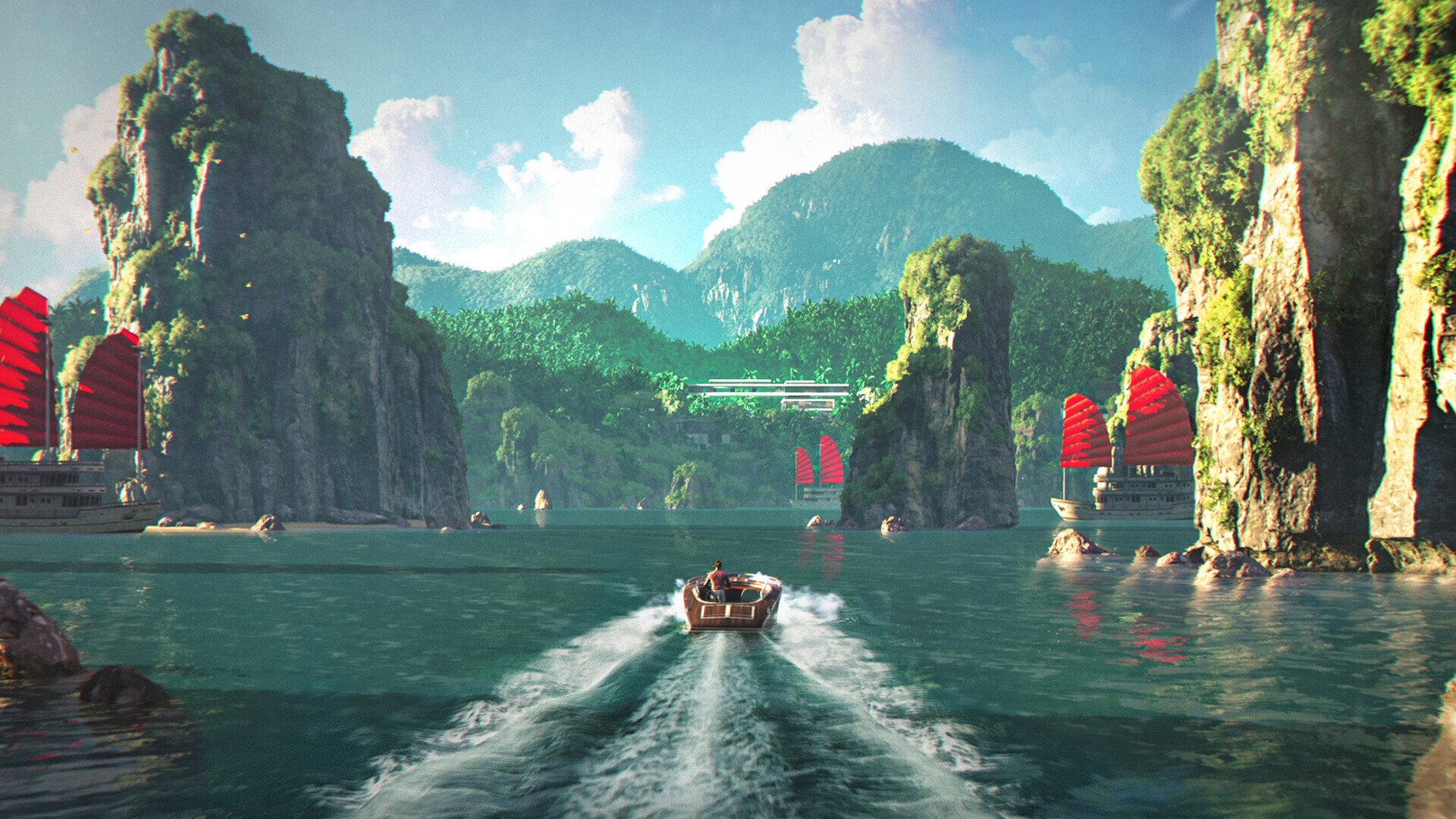
Subnautica 2’s underwater world is both beautiful and perilous. Players must contend with predators like the Leviathan, which can destroy poorly defended bases, and extreme pressure zones that require specialized equipment. The tadpole mitigates some of these risks by allowing players to relocate quickly or even retreat from threats. However, its effectiveness depends on how efficiently players manage their resources.
A reality check emerges here: while the tadpole offers flexibility, it is not a substitute for strong base-building skills. Players who neglect defensive structures risk losing everything in an instant. The game’s challenge lies in balancing mobility with security—a lesson learned from the original Subnautica but refined further in this sequel.
Looking Ahead
Subnautica 2 is still in early access, meaning features and mechanics may evolve as feedback is integrated. What is confirmed is a stronger emphasis on crafting depth and environmental interaction. Players who master these systems will find themselves well-prepared for the full release, where even greater challenges await.
The game’s strategic layers—resource management, mobility, and survival tactics—set it apart from other survival titles. It forces players to think critically about their approach, making every crafting decision a high-stakes gamble. Whether this evolution will redefine the genre remains to be seen, but Subnautica 2 is already proving itself as more than just an upgrade.