Samsung's latest foldable smartphone, the Galaxy Z Flip8, continues to build on the foundation laid by its predecessor without significant changes to its camera system. While earlier reports highlighted potential refinements in thickness and weight, the core camera specifications remain consistent with those of the Galaxy Z Flip7.
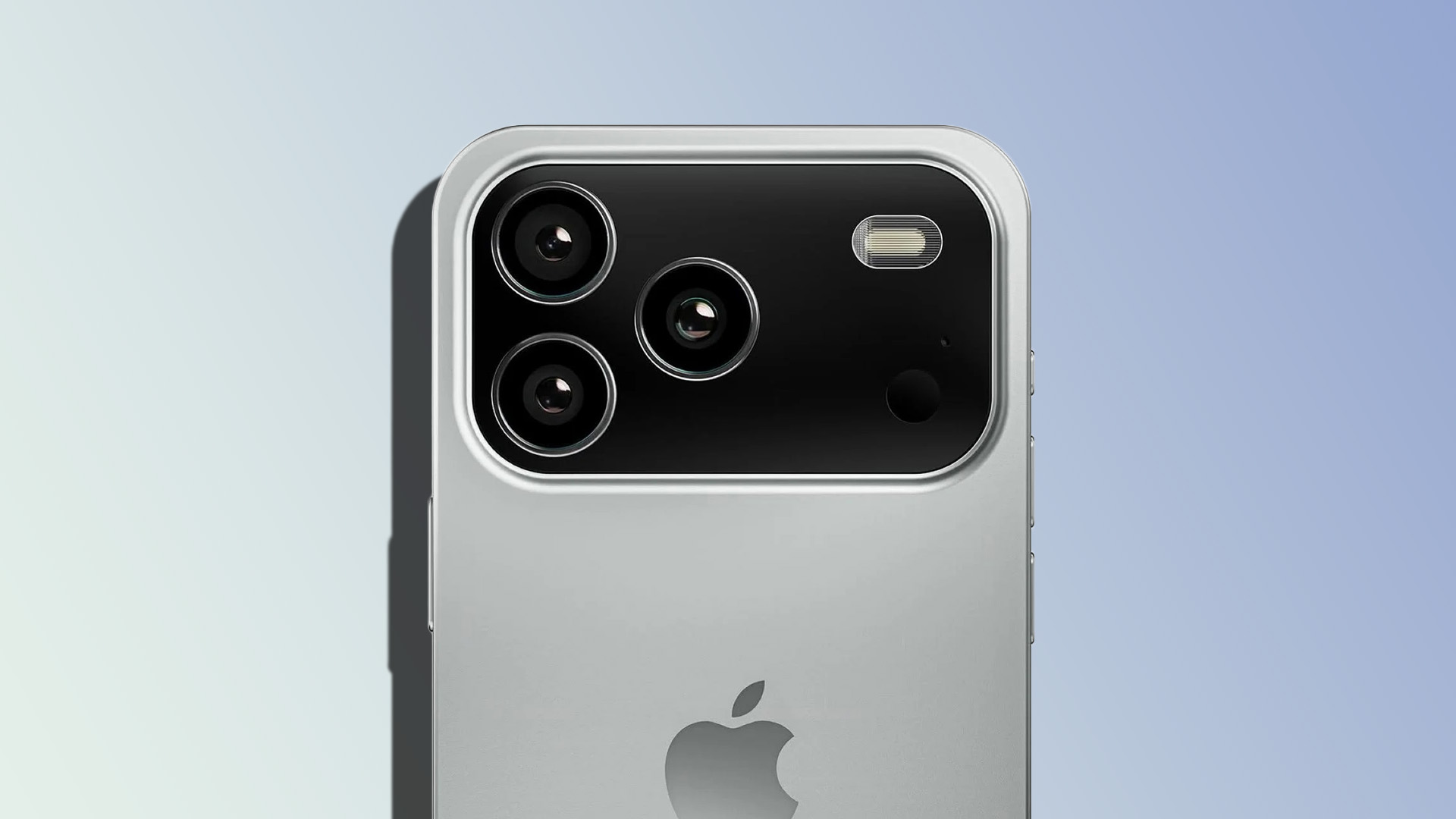
The device is expected to feature a 50MP main camera, paired with a 12MP ultrawide lens and a 10MP selfie camera. This configuration mirrors that of the previous model, suggesting Samsung's emphasis on reliability rather than radical innovation in this generation. There is no indication of a telephoto lens being included, reinforcing the focus on compactness.
Performance will be driven by the Exynos 2600 chipset, which operates at a 2nm process node and delivers up to 25W of power efficiency. This chipset underscores Samsung's commitment to balancing performance with energy consumption, a critical factor in foldable devices where battery life is paramount.

While the camera system remains unchanged, the Galaxy Z Flip8 is expected to introduce subtle improvements in other areas, such as build quality and software optimization. These refinements aim to enhance the user experience without disrupting the established formula that has defined Samsung's foldable lineup.
The device is anticipated to maintain its predecessor's pricing, avoiding any potential price hike that could deter consumers from upgrading. This stability in both hardware and cost reflects a strategic approach to evolution rather than revolution, ensuring continuity while gradually refining the product.
Looking ahead, Samsung's focus at CES 2026 will likely center on advancing foldable technology beyond camera specifications, possibly exploring new form factors or materials that could redefine the category. This approach aligns with the broader trend in consumer electronics, where incremental improvements play a crucial role in shaping the future of innovation.