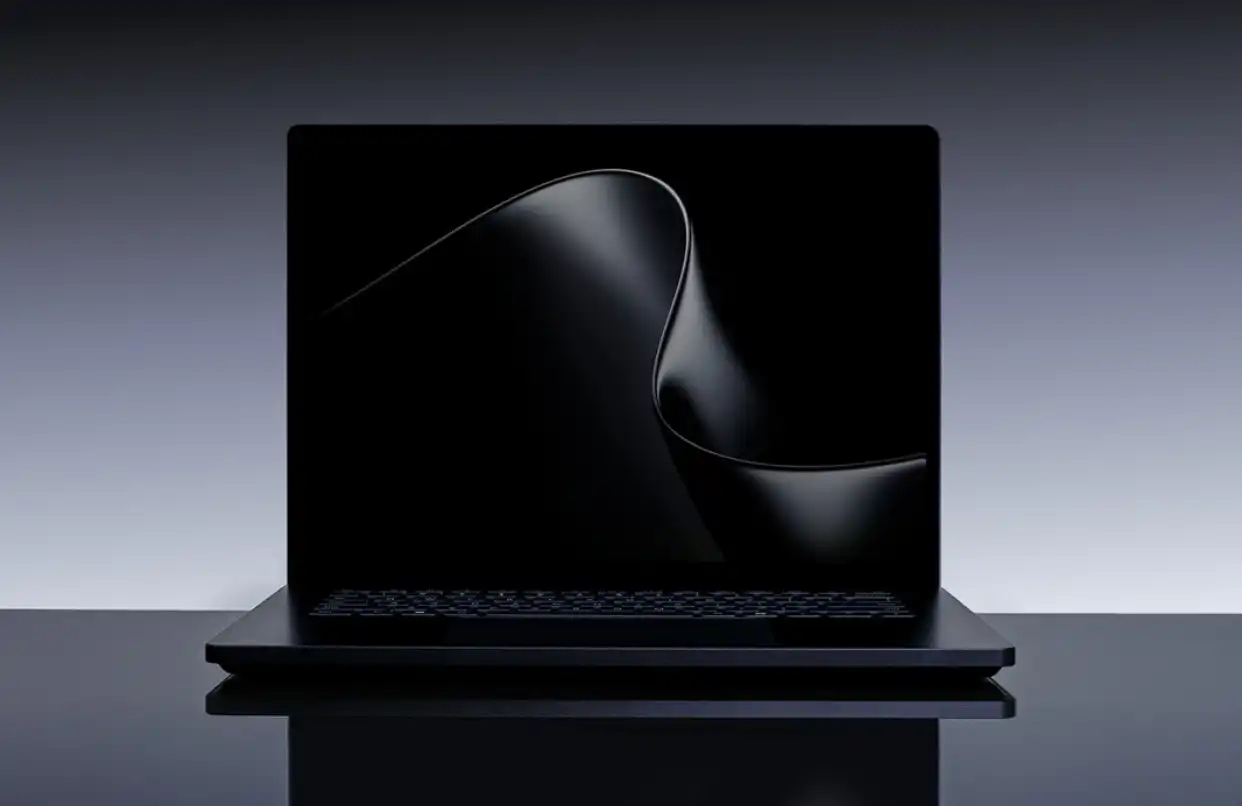
An Intel-powered handheld device just hit the market with a claim that sets it apart: it can handle AI workloads at speeds competitive with desktop GPUs, all while running on a single 100 W power supply. The device’s processor, codenamed Meteor Lake, delivers up to 48 TOPS of NPU performance—far beyond what most mobile platforms offer—but the trade-off is battery life that lasts just over two hours under sustained AI workloads.
This shift reflects a broader industry tension: can handheld devices deliver desktop-level AI performance without sacrificing portability? The answer, so far, leans toward raw power at the cost of runtime. For engineers and data workers, the question isn’t whether these devices can process AI tasks quickly, but whether they can do so consistently in a day’s work.
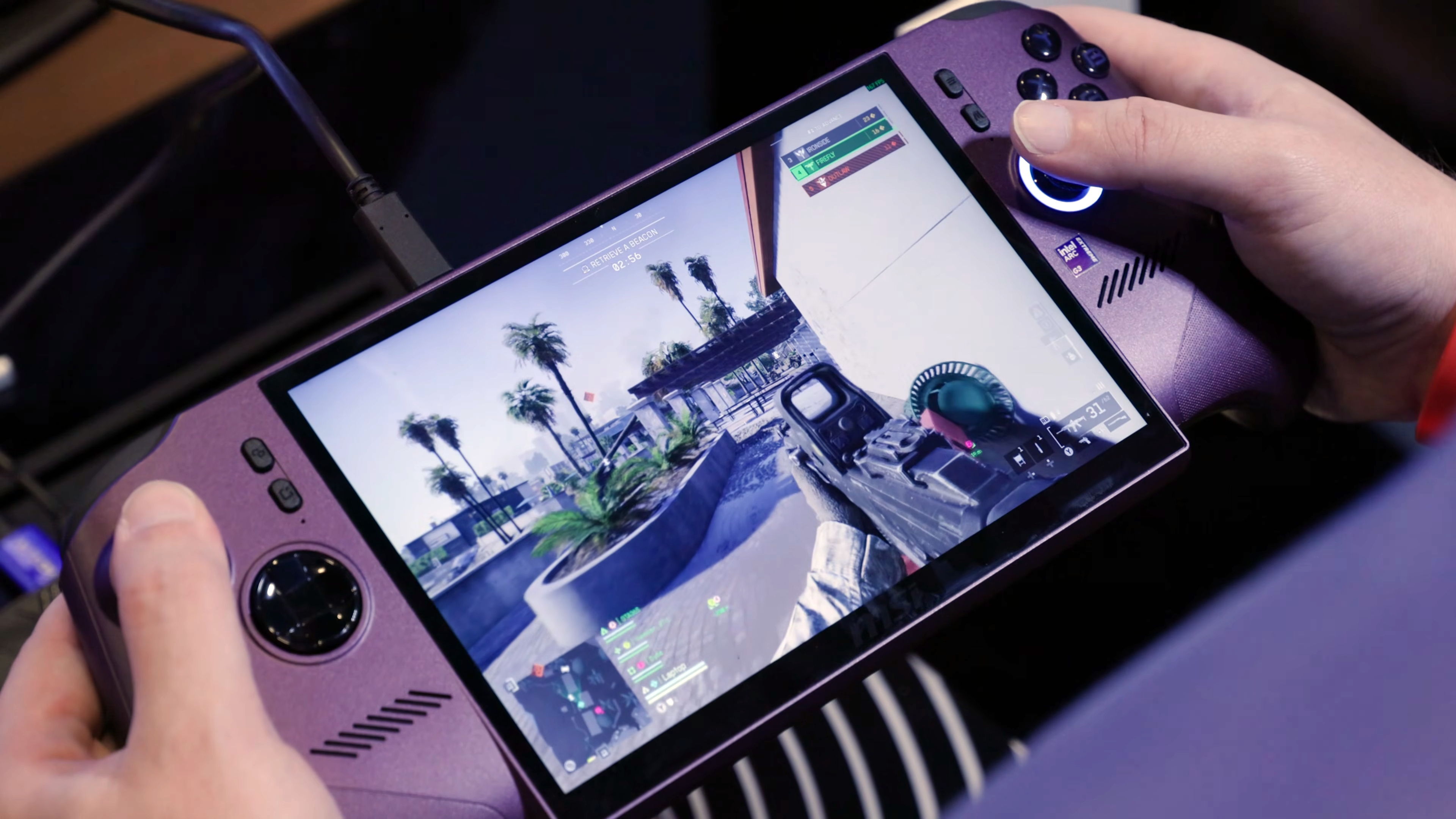
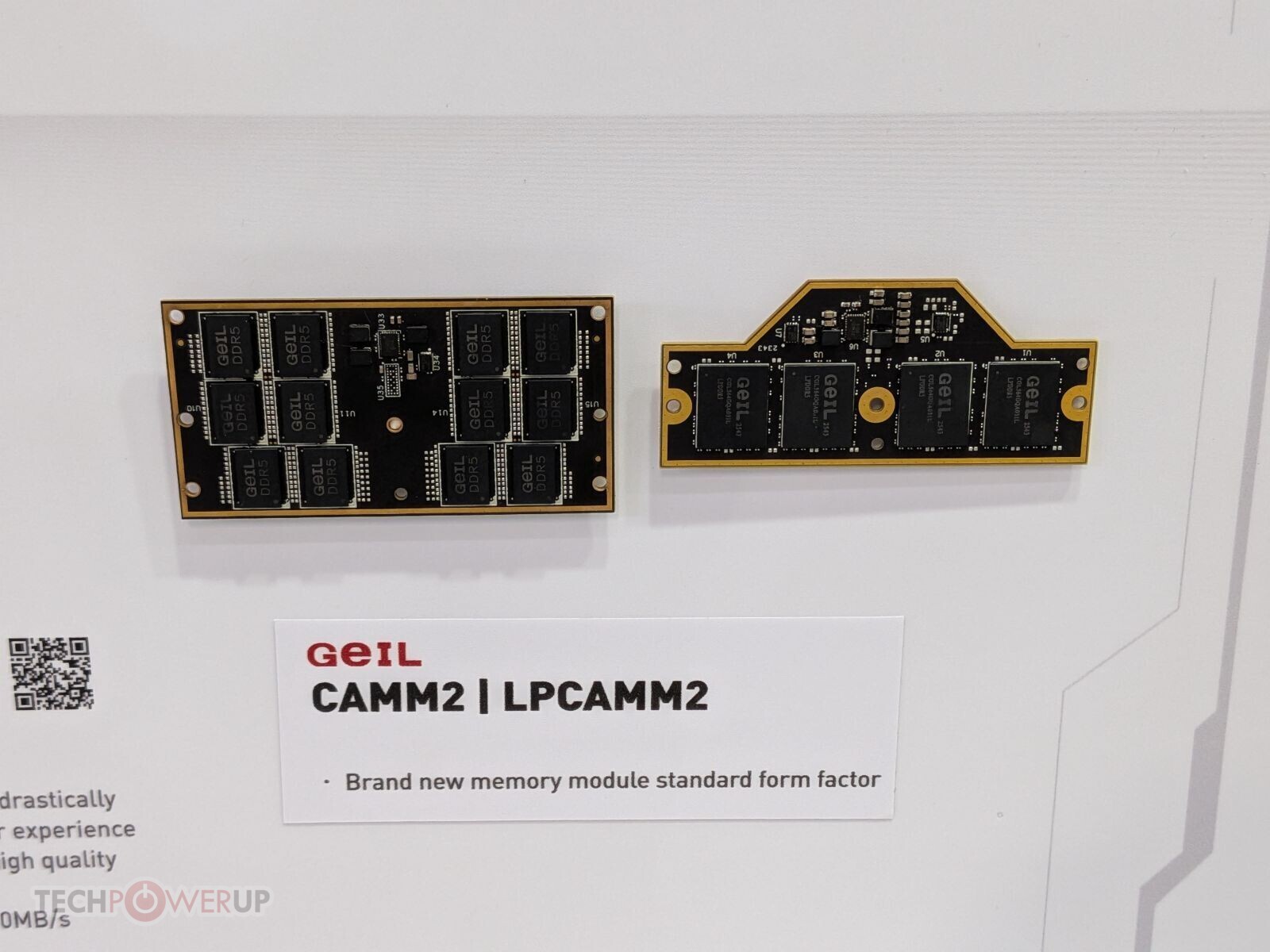
Meteor Lake integrates 128 GB of LPDDR5X memory, clocked at 6400 MT/s, to feed its NPU. That level of bandwidth is typical for high-end desktops, not handhelds. Combined with 1 TB of PCIe 4.0 storage, the system can sustain heavy AI workloads without memory bottlenecks. But the power draw is substantial: 100 W sustained, which means a single charge won’t last through a full workday unless tasks are carefully managed.
Where this device stands out is in its ability to process AI models on-device with minimal latency. A user running a local large language model would notice near-instant responses compared to cloud-based alternatives, assuming they’re within range of a power outlet. The trade-off is clear: performance comes first, endurance second.
For now, buyers should expect these devices to fit into workflows where power access isn’t an issue—meetings with outlets, lab environments, or long sessions at a desk. Battery life will remain the limiting factor unless future iterations balance power draw without sacrificing NPU throughput.