For years, the line between budget and premium monitors was clear: QHD resolution meant stepping up to mid-range or higher pricing tiers. That boundary has now been blurred by Samsung, which has introduced a 34-inch ultrawide monitor at an all-time low of $200—a move that redefines what consumers should expect from entry-level high-resolution displays.
Unlike many budget monitors that prioritize raw performance or gaming features, this model takes a productivity-first approach. It maintains key specifications—75Hz refresh rate, 98% sRGB color coverage, and a 1000R curvature—that are typically reserved for more expensive models. The decision to undercut the $300 barrier while preserving these features suggests a strategic shift in how Samsung views budget displays: not as cost-cutting afterthoughts, but as viable alternatives that deliver real value without unnecessary compromises.
The 2560×1440 resolution is particularly well-suited for single-monitor workflows. It offers more screen real estate than Full HD (1920×1080) while avoiding the pixel density of 4K, which can make text unreadable at typical working distances. The 75Hz refresh rate ensures smooth scrolling and responsiveness, crucial for coding or data analysis tasks where lag is noticeable but not a dealbreaker. Meanwhile, the 98% sRGB coverage provides color accuracy that rivals mid-range monitors, a rarity in this price segment.
Design choices further emphasize productivity over gaming. The 1000R curvature isn’t just aesthetic; it’s been optimized to reduce eye strain during long sessions, a feature that has become standard in mid-range displays but rarely appears at this price point. The 600-nit peak brightness is sufficient for well-lit offices, avoiding the need for dimmer environments often required by lower-brightness panels. These details reflect a deliberate focus on usability rather than high-end performance.
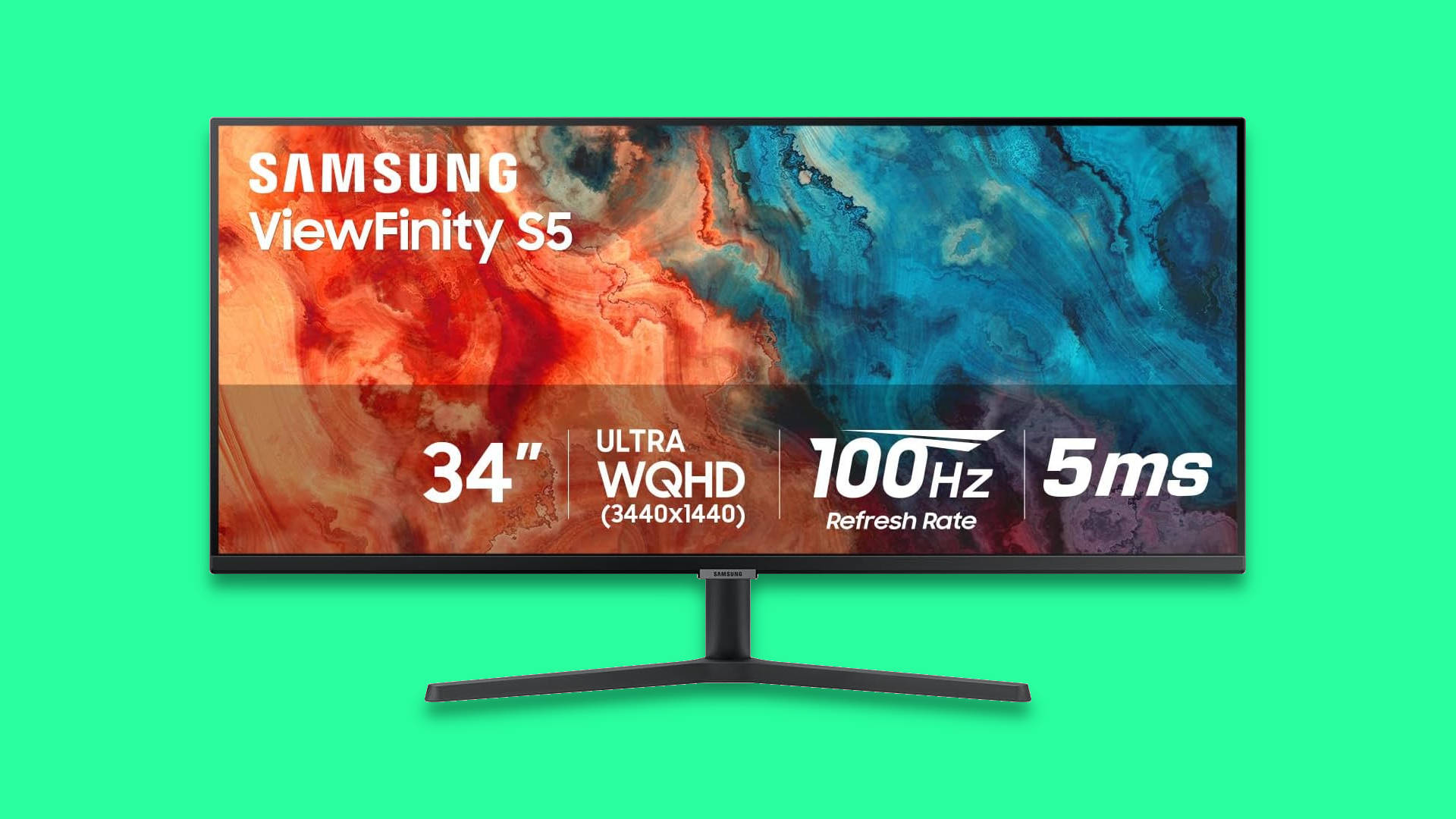
Of course, there are limitations. This monitor isn’t built for competitive gaming or HDR content. The 75Hz refresh rate and lack of advanced color grading are intentional tradeoffs, but they don’t matter if the primary use case is productivity. The display remains sharp enough to minimize eye strain, bright enough for office environments, and responsive enough to handle rapid text input without noticeable lag.
- 34-inch QHD (2560×1440) resolution
- $200 price point (all-time low)
- 75Hz refresh rate
- 98% sRGB color coverage
- 1000R curvature for reduced eye strain
- 600-nit peak brightness
The monitor’s success will depend on Samsung’s ability to maintain quality at this price. Past budget ultrawides often sacrificed color accuracy or contrast, but this model retains both without compromise. The 98% sRGB coverage is particularly notable, as it’s a feature rarely seen in monitors under $300. Additionally, the uniform backlight minimizes banding, a common issue in cheaper panels.
This isn’t just a price cut; it’s a redefinition of what entry-level QHD displays can offer. In an era where high-resolution displays are becoming standard, Samsung has proven that affordability doesn’t have to mean compromise. The $200 ultrawide stands as a benchmark for the segment, offering a compelling blend of resolution, color accuracy, and productivity-focused features without demanding premium pricing.