Enterprise environments are evolving toward standardized, high-performance multi-monitor setups without the usual software friction. The latest Driverless Multi-Monitor USB-C Docking Stations eliminate the need for manual driver installation while supporting dual 4K displays at 60 Hz or a triple-display configuration with one screen running at 30 Hz. These docks also deliver up to 100 W of power, enough to charge laptops and run peripherals simultaneously.
Breaking Compatibility Barriers
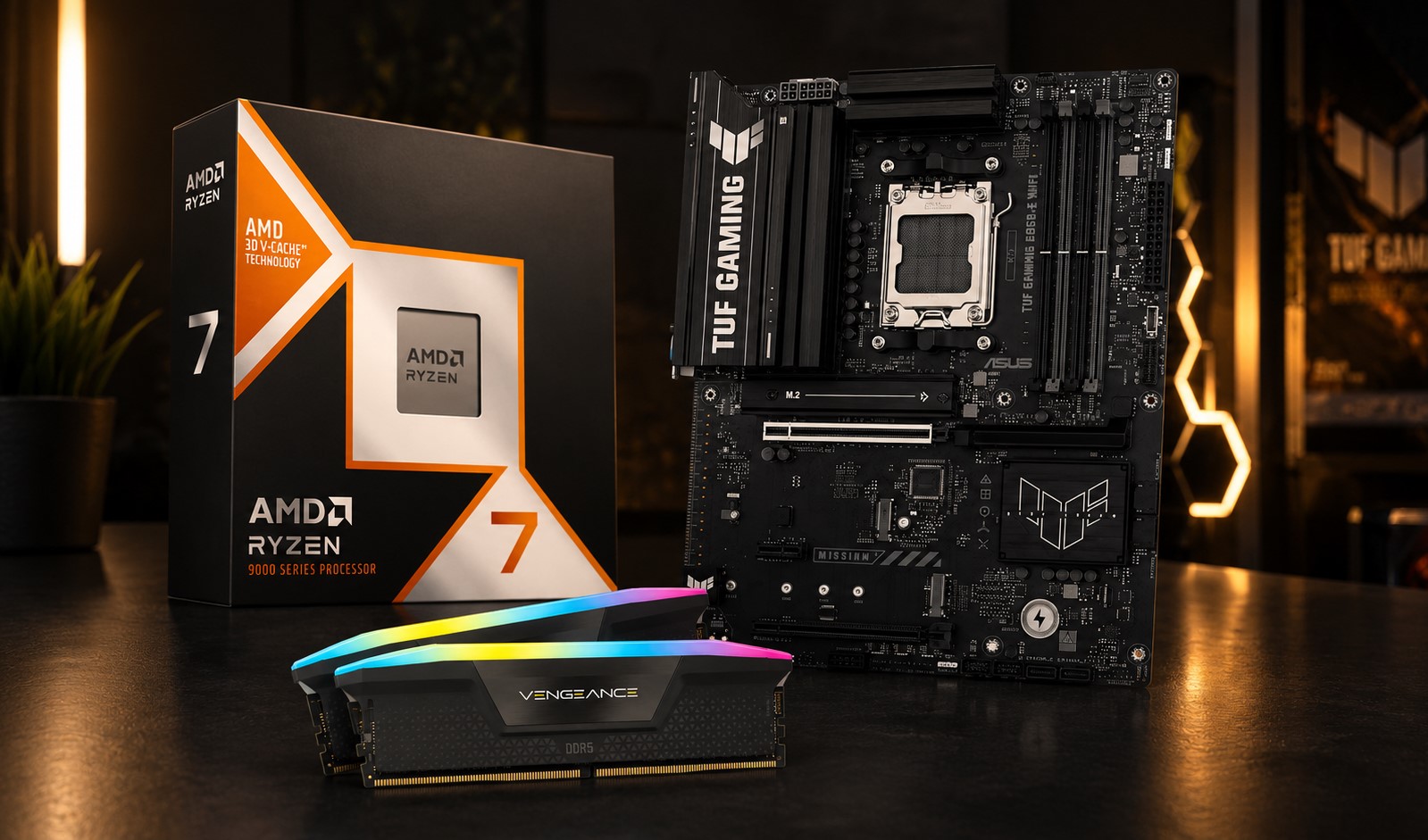
The docks are designed for mixed hardware deployments, accommodating Intel, AMD, and Snapdragon-based Windows devices. This flexibility is crucial in modern workplaces where teams use a mix of traditional processors and newer ARM-based systems. The driverless feature streamlines IT deployment, reducing setup time and troubleshooting—especially valuable in large offices or education settings where device diversity is common.

Performance and Power at the Core
- Dual 4K monitors at 60 Hz or dual 4K plus one 4K at 30 Hz (triple display model)
- Up to 100 W power delivery for laptop charging and peripherals
- High-speed USB ports with up to 10 Gbps bandwidth
- Cross-platform support for Intel, AMD, and Snapdragon Windows systems; Chromebooks with MST technology
The docks ensure smooth operation even for demanding tasks like video editing or AI workloads. Their mountable design includes security lock slots, making them ideal for environments where equipment protection is a priority.
Future-Proofing Enterprise Workflows
Built with long-term interoperability in mind, these docks are positioned to scale alongside future Windows updates and AI-enabled hardware. As businesses adopt newer chip platforms, the solution adapts without requiring frequent software adjustments. While pricing details remain pending, availability is immediate through major IT distributors.
A Final Consideration
The next step will be confirming whether these docks extend support to emerging Windows features or additional chip architectures beyond Snapdragon. For now, they represent a significant leap forward in simplifying multi-monitor deployments while maintaining performance and flexibility.