Samsung Electronics has laid out its roadmap for 2026, with a clear focus on AI infrastructure and premium hardware—marking a shift from its 2025 struggles in consumer devices. The company’s fourth-quarter and full-year 2025 results show record revenue (KRW 93.8 trillion in Q4) and operating profit (KRW 20.1 trillion), but the real story lies in its bets on next-generation memory, chips, and sensors.
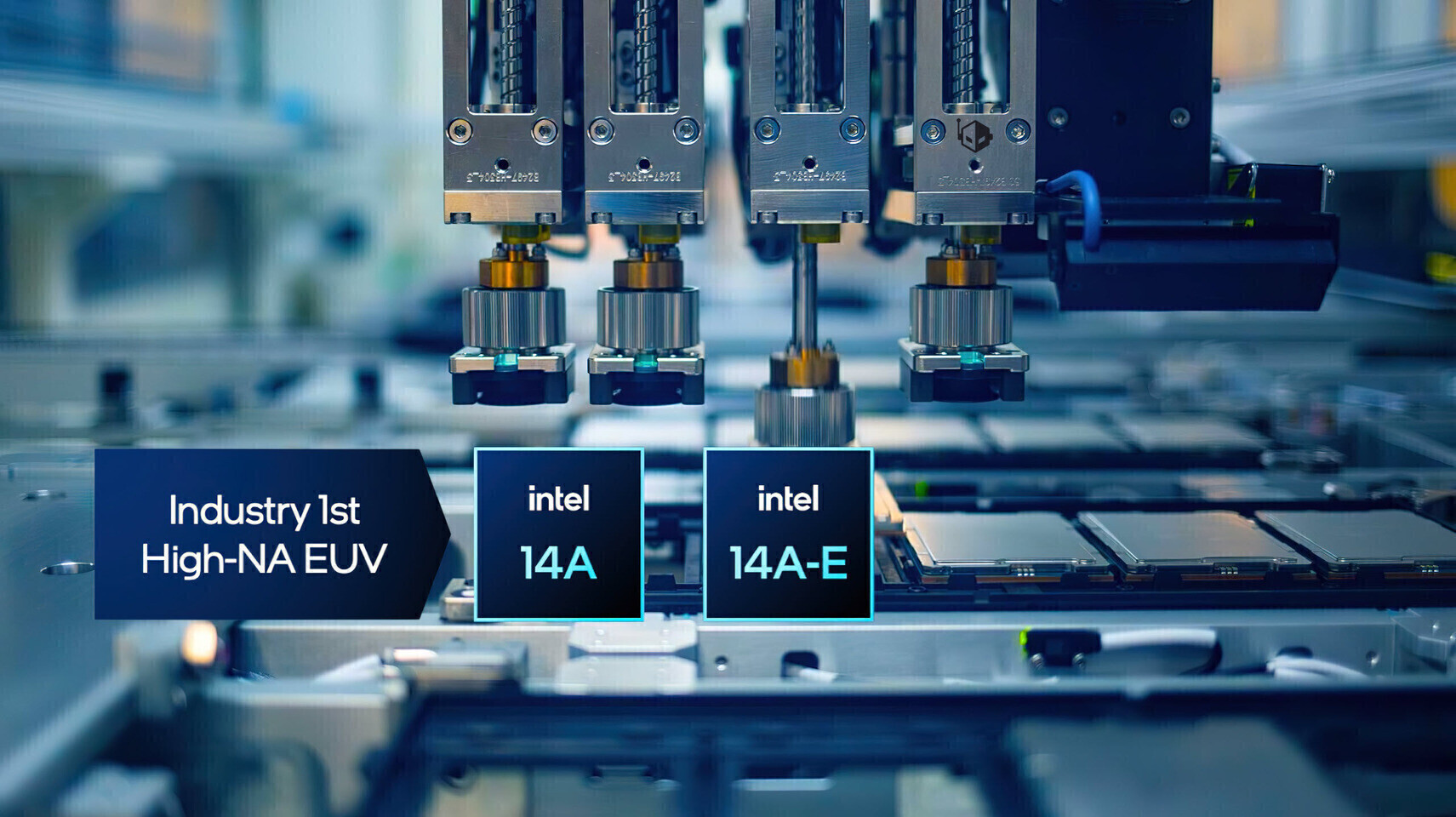
The Memory Business, in particular, is gearing up for a major offensive. HBM4 products with industry-leading 11.7 Gbps performance are set to begin deliveries in Q1 2026, targeting AI workloads where high bandwidth is critical. Samsung is also expanding its DDR5 and GDDR7 offerings, positioning itself as a key supplier for AI servers and gaming GPUs. Meanwhile, the Foundry Business has ramped up production of 2 nm chips—its first-generation offerings—and is preparing for 4 nm HBM base-die shipments, with second-gen 2 nm nodes in the pipeline for later in the year.
In image sensors, Samsung is doubling down on high-resolution photography with new 200MP and 50MP big-pixel sensors, reinforcing its lead in computational imaging. The company expects these sensors to drive growth in 2026, particularly in flagship smartphones and professional cameras.
A Shift from Smartphones to AI and Servers
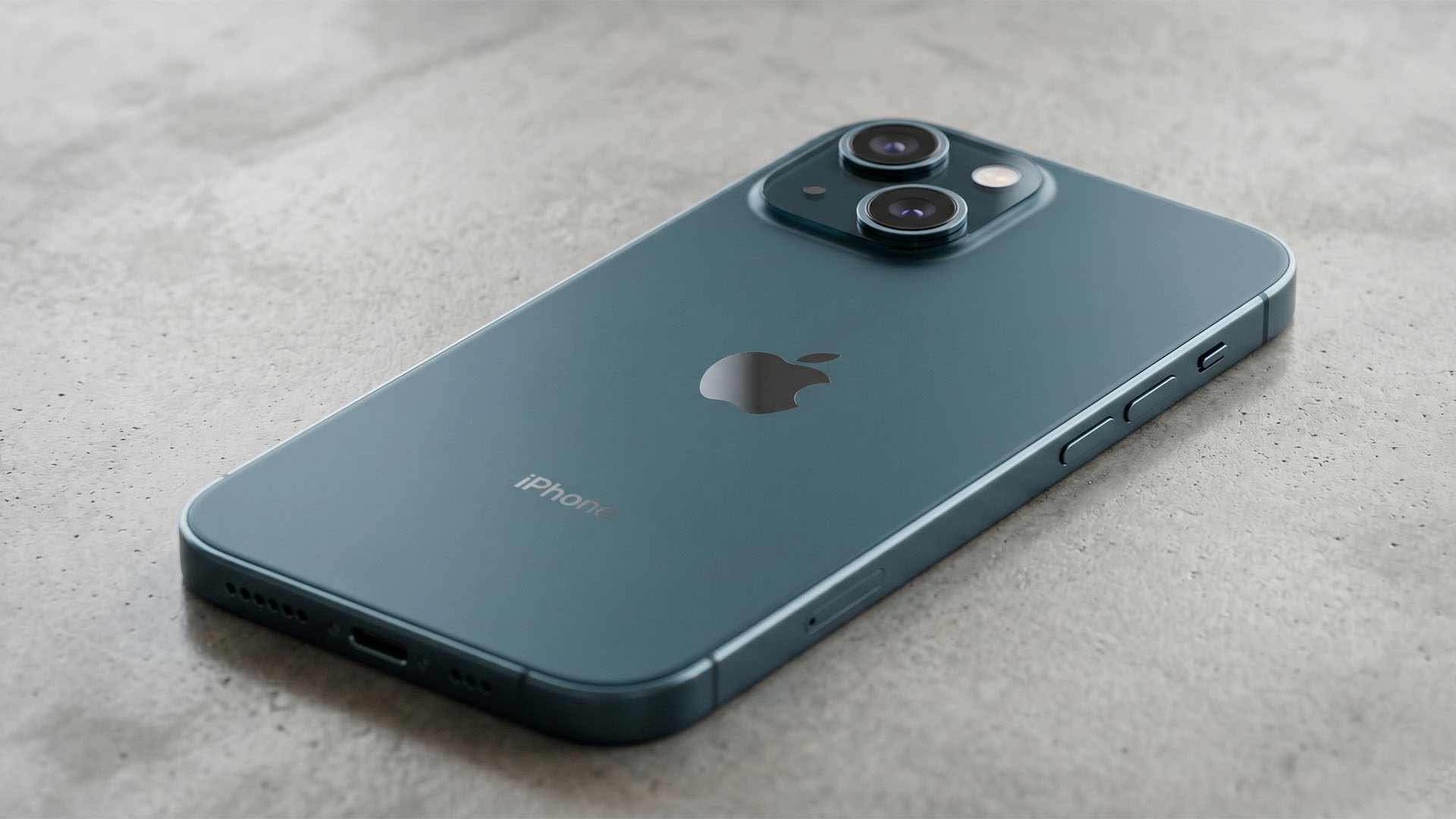
Despite strong overall performance, Samsung’s Device eXperience (DX) Division—home to smartphones and wearables—saw an 8% sequential revenue decline in Q4 2025, a reflection of softer demand for new models. However, the division is preparing a major AI push with the upcoming Galaxy S26 series, which will introduce Agentic AI experiences—a step beyond traditional on-device AI. Samsung is also investing in slimmer, lighter designs to compete with rivals like Apple and Google.
Where Samsung sees opportunity is in AI infrastructure. The Memory Business expects demand for high-value products like HBM and server DDR5 to remain strong, with AI training and inference workloads driving growth. The Foundry Business, meanwhile, is targeting double-digit revenue growth in 2026, fueled by advanced nodes and optimized packaging solutions for AI chips.
Key Specs: What’s Coming in 2026
- Memory: HBM4 with 11.7 Gbps bandwidth, DDR5, GDDR7, and SOCAMM2 for AI applications.
- Chips: Mass production of 2 nm nodes, 4 nm HBM base-die, and second-gen 2 nm chips later in 2026.
- Sensors: 200MP and 50MP big-pixel sensors with Nanoprism technology for enhanced low-light performance.
- Smartphones: Galaxy S26 series with Tensor G5 chip (2 nm process), expanded AI features, and slimmer designs.
- Displays: QD-OLED and Micro RGB TVs, high-brightness solutions for premium TVs, and differentiated monitor technologies.
- Automotive: Expanded digital cockpit and ADAS (Advanced Driver Assistance Systems) capabilities via Harman.
These advancements aren’t just about specs—they reflect Samsung’s strategy to move beyond consumer hardware into AI-driven markets. The company is betting that high-performance memory, chips, and sensors will be the backbone of next-generation AI systems, from data centers to smartphones.
Who Stands to Benefit?
For businesses, Samsung’s focus on HBM4 and DDR5 means better performance in AI training and inference, which could accelerate developments in generative AI and large language models. Gamers may see faster GDDR7 memory in next-gen GPUs, while smartphone users could experience improved computational photography and AI features in flagships like the Galaxy S26.
However, the shift isn’t without challenges. Samsung’s smartphone division remains under pressure, and its display business faces competition from LG and Sony in OLED TVs. The company will need to balance profitability in consumer products with its AI ambitions—particularly as R&D investments hit record highs (KRW 10.9 trillion in Q4 alone).
One thing is clear: Samsung is positioning itself as a leader in the AI era, whether through memory, chips, or sensors. The question is whether its high-stakes bets will pay off in a market still recovering from a smartphone slowdown.