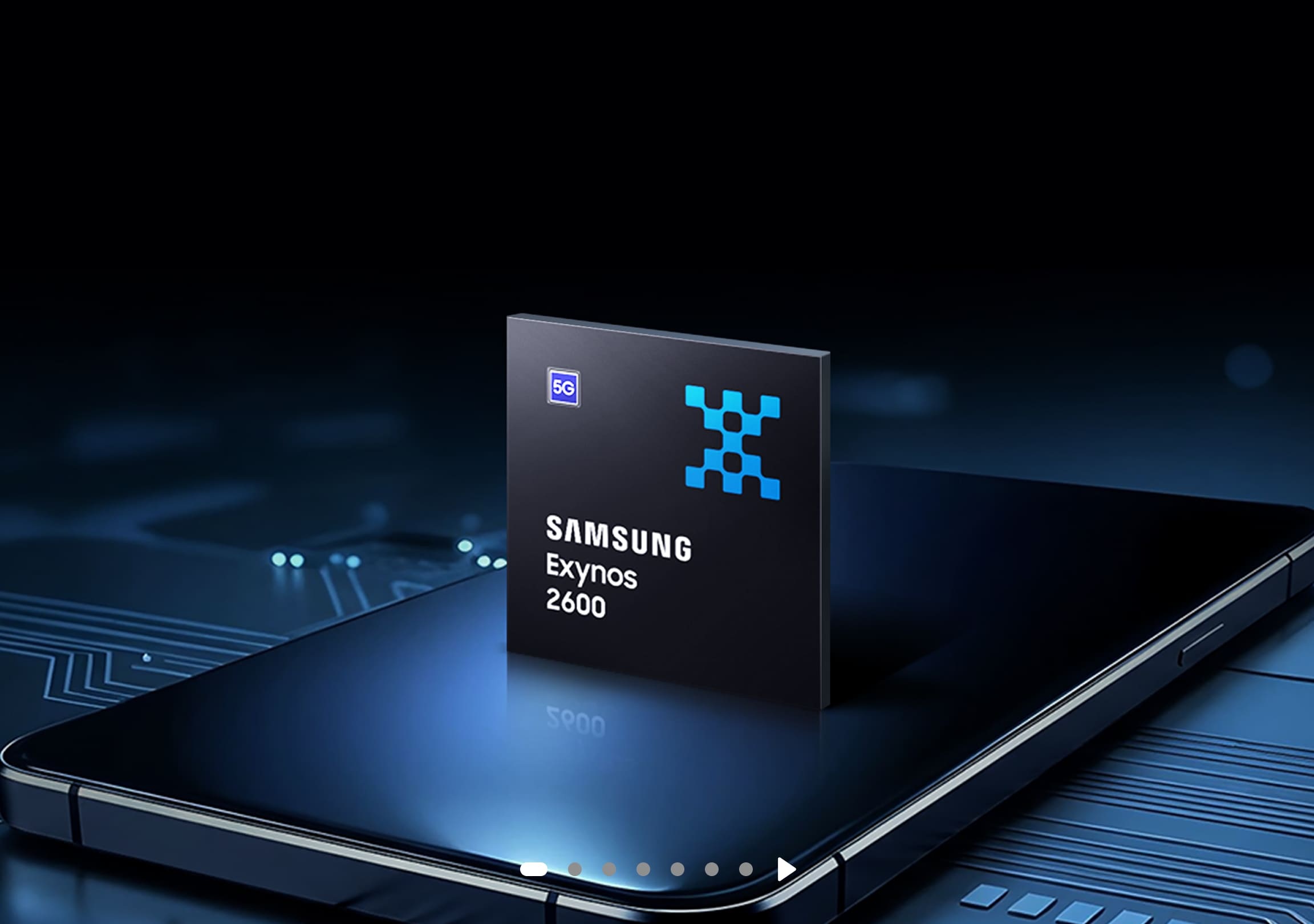
Samsung’s Exynos 2600 has claimed the top spot in Basemark’s ray tracing benchmarks, surpassing Qualcomm’s Snapdragon 8 Elite Gen 5 by a notable margin. The achievement underscores the chip’s aggressive push into mobile graphics, leveraging a custom AMD RDNA 4-based GPU to deliver performance that rivals—and in some cases exceeds—its competitors.
The Exynos 2600 isn’t just a speed bump; it’s a full redesign. Samsung’s first 2nm Gate-All-Around (GAA) chip combines advanced transistor architecture with Fan-Out Wafer Level Packaging (FOWLP) and a copper-based Heat Path Block (HPB), which reduces thermal resistance by 16% and lowers temperatures by up to 30% compared to previous generations. These improvements aren’t just theoretical—they translate to sustained performance in demanding workloads, particularly in ray tracing, where the chip leads by 10–15% over the Snapdragon 8 Elite Gen 5.
Key specs at a glance
- Process: Samsung 2nm GAA (Gate-All-Around)
- CPU: 1x C1-Ultra core (3.90GHz), 3x C1-Pro cores (3.25GHz), 6x C1-Pro cores (2.75GHz)
- GPU: Xclipse 960 (AMD RDNA 4-based, ray tracing support)
- NPU: 32K Mac Neural Processing Unit
- Memory: LPDDR5X support
- Thermal: Heat Path Block (HPB) for 16% lower thermal resistance, 30% cooler operation
- Expected debut: Samsung Galaxy S26 series
The Xclipse 960’s dominance in ray tracing isn’t just about raw numbers—it’s about consistency. While the Snapdragon 8 Elite Gen 5 shows variability in Geekbench OpenCL scores, the Exynos 2600 maintains a tight performance envelope with just a 3.4% difference between its highest and lowest results. This stability suggests better optimization for sustained workloads, a critical factor for mobile gaming and creative apps.
Yet, the Exynos 2600’s lead isn’t absolute. In Vulkan benchmarks, the Snapdragon 8 Elite Gen 5 still holds a slight edge, scoring 27,875 compared to the Exynos 2600’s 27,478. The gap is narrow, but it highlights that Qualcomm’s chip retains an advantage in general-purpose graphics performance—at least for now.
Who benefits?
The Exynos 2600’s strengths align with high-end mobile use cases. Gamers will appreciate its ray tracing prowess, particularly in titles that rely on advanced lighting effects. Creators and power users will benefit from the improved thermal management and consistent performance under load. Meanwhile, Samsung’s push into 2nm manufacturing could set a new standard for efficiency, potentially extending battery life in future devices.
For consumers, the implications are clear: the mobile chip war is heating up. The Exynos 2600’s performance suggests Samsung is no longer playing catch-up—it’s challenging Qualcomm’s dominance in graphics. Whether this translates into broader adoption remains to be seen, but one thing is certain: the bar for mobile GPUs has just been raised.
The Exynos 2600 is expected to power the upcoming Galaxy S26 series, with availability tied to Samsung’s next flagship rollout.