The Exynos 2700’s journey from concept to production marks a deliberate shift for Samsung—one that prioritizes practicality over flashy innovations. Unlike its predecessor, the Exynos 2600, this chip isn’t just about raw performance metrics. It’s about refining what already works while addressing the most common pain points: battery life, thermal throttling, and cost efficiency. For Samsung, this could mean reclaiming ground in a market where Qualcomm’s Snapdragon 8 Gen 3 has dominated for years.
But the real test lies in execution. Will the Galaxy S27 series—rumored to include models powered by the Exynos 2700—deliver on its promises? And more importantly, will it matter enough to sway buyers away from Qualcomm’s offerings?
Gaming: Where Limits Still Apply
The Exynos 2700’s GPU, an ARM Xclipse 970 based on RDNA 5 architecture, represents a small step forward for mobile gaming. Early benchmarks suggest modest FPS improvements in titles like Call of Duty: Mobile and *Genshin Impact*, but the gap between Samsung’s solution and Qualcomm’s Adreno 750 or Nvidia’s Tensor integration remains significant. Without a custom GPU, AI-driven enhancements—like dynamic resolution scaling or real-time ray tracing—will stay out of reach.
Thermal management, however, is where Samsung is making its boldest move. The chip’s ‘side-by-side’ die design, paired with Heat Pass Block technology, aims to reduce throttling during extended gaming sessions. This could translate to fewer performance drops in graphically intensive games, though sustained high-end performance will still lag behind competitors. For casual gamers, the improvements may feel subtle. For hardcore mobile esports players, the Exynos 2700 won’t be a top choice.
Creators and Power Users: A Niche Fit
Professionals relying on single-core performance for tasks like video editing or 3D rendering will see marginal gains. The ARM Cortex-X4-based cores in the Exynos 2700 offer better efficiency, but they won’t match the raw speed of Qualcomm’s Snapdragon 8 Gen 3 in multi-threaded workloads. Support for LPDDR6 and UFS 5.0 storage is a step in the right direction, enabling faster data transfer and smoother multitasking—but only if Samsung’s Galaxy S27 devices actually implement these features.

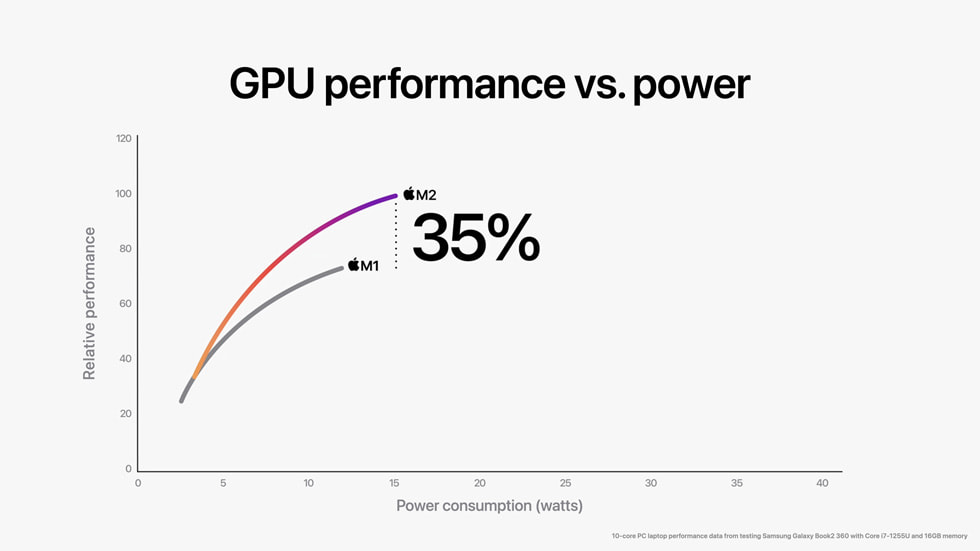
The absence of a custom GPU is the biggest hurdle. While the Xclipse 970 can handle light video editing or RAW photo processing, it falls short in demanding scenarios like 4K HDR video rendering or real-time AI upscaling. Creators who push their devices to the limit may still find themselves reaching for a Snapdragon-powered alternative. That said, the 25% power efficiency improvement could extend battery life during creative workflows—a tradeoff that might appeal to those who prioritize endurance over brute force.
Everyday Users: The Sweet Spot
Here, the Exynos 2700 excels. The 2nm SF2P process delivers up to 25% better power efficiency, translating to longer battery life for everyday tasks like browsing, messaging, and light productivity. The ‘side-by-side’ packaging also allows for thinner, more premium designs—a key selling point in a market where form factor matters as much as performance.
Support for LPDDR6 and UFS 5.0 could enable faster charging and quicker app launches, though Samsung may opt for more conservative memory configurations to control costs. For the average user, the Exynos 2700 won’t feel like a downgrade. Instead, it’s a refined, efficient alternative that ticks the right boxes without demanding premium pricing.
The Exynos 2700’s success hinges on two critical factors: adoption in the Galaxy S27 series and pricing strategy. If Samsung doubles down on Exynos—potentially shifting more models away from Qualcomm’s chips—it could signal a broader shift in its chipset approach. Early indications suggest mass production will begin in the second half of 2026, with Galaxy S27 devices likely following soon after.
For now, the Exynos 2700 remains a bridge chip—a stopgap measure to improve efficiency and cost-effectiveness while Samsung works toward more ambitious innovations. It won’t dethrone Qualcomm in the high-end market, but it could carve out a stronger niche for mid-range and premium Android devices. The question is whether that’s enough to change the game—or just another incremental upgrade in a crowded landscape.