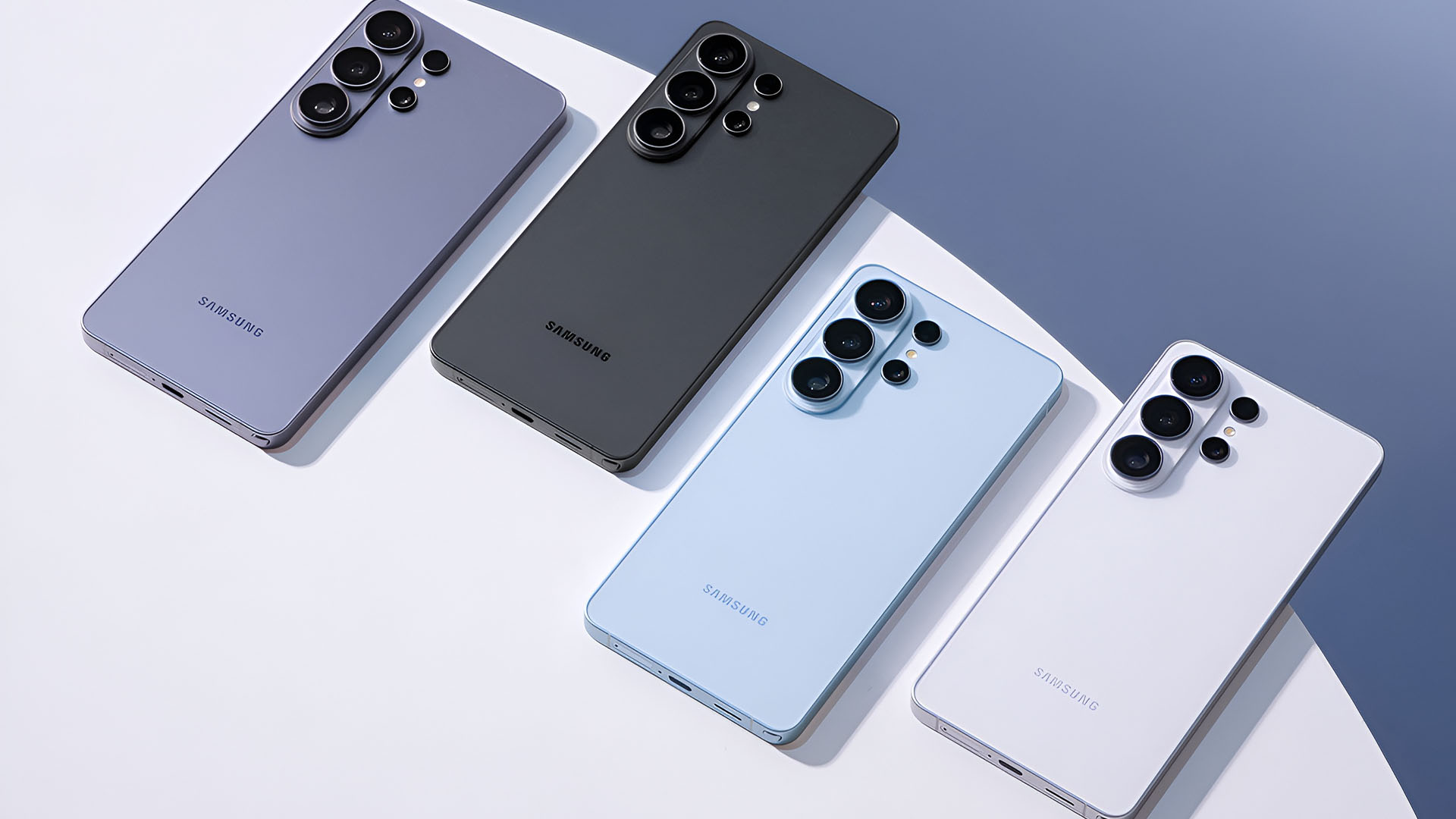
Samsung is set to introduce a fourth model into its Galaxy S27 lineup, marking a notable departure from recent trends. This move suggests the company is aiming to consolidate advanced technologies—previously reserved for the higher-tier Ultra variant—into a more accessible flagship device.
The decision comes at a time when smartphone manufacturers are increasingly blurring the lines between standard and premium tiers. By integrating key features from the Galaxy S26 Ultra, Samsung could be positioning itself to capture a broader market segment without diluting its brand identity. This strategy may also force competitors to rethink their own flagship hierarchies.
What’s New and What Stays the Same
- Display: Likely 6.7-inch Dynamic AMOLED 2X with 120Hz refresh rate, HDR10+, and adaptive brightness. Could feature a punch-hole camera setup similar to the S26 Ultra.
- Chipset: Expected to run on the Snapdragon 8 Gen 3 (or Exynos equivalent), maintaining high performance with improved thermal efficiency.
- Memory: Base storage options may start at 128GB, with up to 256GB or 512GB expandable via microSD. RAM could range from 8GB to 16GB.
- Cameras: Triple rear setup (likely 50MP main + 12MP ultrawide + 10MP telephoto) with enhanced computational photography, possibly including a periscope lens for improved zoom performance. Front camera could be 12MP with advanced video stabilization.
- Battery: 4,800mAh capacity with 45W fast charging (or higher). Wireless charging may also be included, potentially with faster charging speeds than previous models.
- Software: Android 14 out of the box, with at least four major OS updates and five years of security patches.
The fourth model’s inclusion could address a gap in the market for devices that offer near-ultra features without the premium price tag. For IT teams managing fleets, this means more flexibility in choosing between performance and cost, though trade-offs in battery life or camera capabilities may still exist depending on the exact specifications.
Market Implications
This shift could redefine how flagship smartphones are perceived, particularly for users who prioritize cutting-edge hardware but aren’t willing to pay ultra-premium prices. Competitors like Google and OnePlus may need to respond by either refining their own mid-range offerings or accelerating the introduction of next-generation technologies across their portfolios.
While Samsung hasn’t confirmed pricing details, industry estimates suggest this model could sit between the standard Galaxy S27 and the Ultra variant, making it an attractive option for professionals who demand high performance without the Ultra’s additional cost. Availability is expected in late 2024, though exact dates remain unconfirmed.