Samsung’s internal production figures for the upcoming Galaxy S26 series paint a picture of deliberate prioritization, where the Ultra model isn’t just leading the lineup—it’s carrying the entire franchise. With 73.5% of initial production allocated to the Ultra (3.6 million units), Samsung is making a clear statement: this is the model that will define the series. The base Galaxy S26 and S26+ trail far behind, with just 700,000 and 600,000 units respectively, a fraction of the Ultra’s volume.
This isn’t just a production quirk; it’s a reflection of Samsung’s evolving strategy. The Ultra’s dominance aligns with industry trends where flagship features—like the S Pen, a dedicated camera island, and advanced display tech—are becoming non-negotiable for power users. But for mainstream consumers, the limited production of mid-tier models could create challenges, particularly if demand for premium features doesn’t translate to broader adoption.
A Tech Divide: Exynos vs. Snapdragon in a 2nm World
The Galaxy S26 Ultra’s technical edge extends beyond its feature set. While the base models rely on Samsung’s in-house Exynos 2600 chip (built on a cutting-edge 2nm process), the Ultra exclusively uses Qualcomm’s Snapdragon 8 Elite Gen 5. This decision isn’t just about performance—it’s about balancing efficiency with power. The Exynos 2600, though advanced, may struggle to compete in AI and camera processing against Qualcomm’s platform, potentially limiting the base models’ appeal to buyers who prioritize raw performance.
Samsung’s choice also hints at a broader industry shift. The Exynos 2600’s 2nm process is a testament to Samsung’s foundry capabilities, but its success in the market will depend on whether consumers in regions where Qualcomm chips are unavailable see it as a viable alternative. For now, the Ultra’s Snapdragon-powered performance could be the deciding factor for tech enthusiasts and professionals.
The Ultra’s Feature Stack: A Premium Play
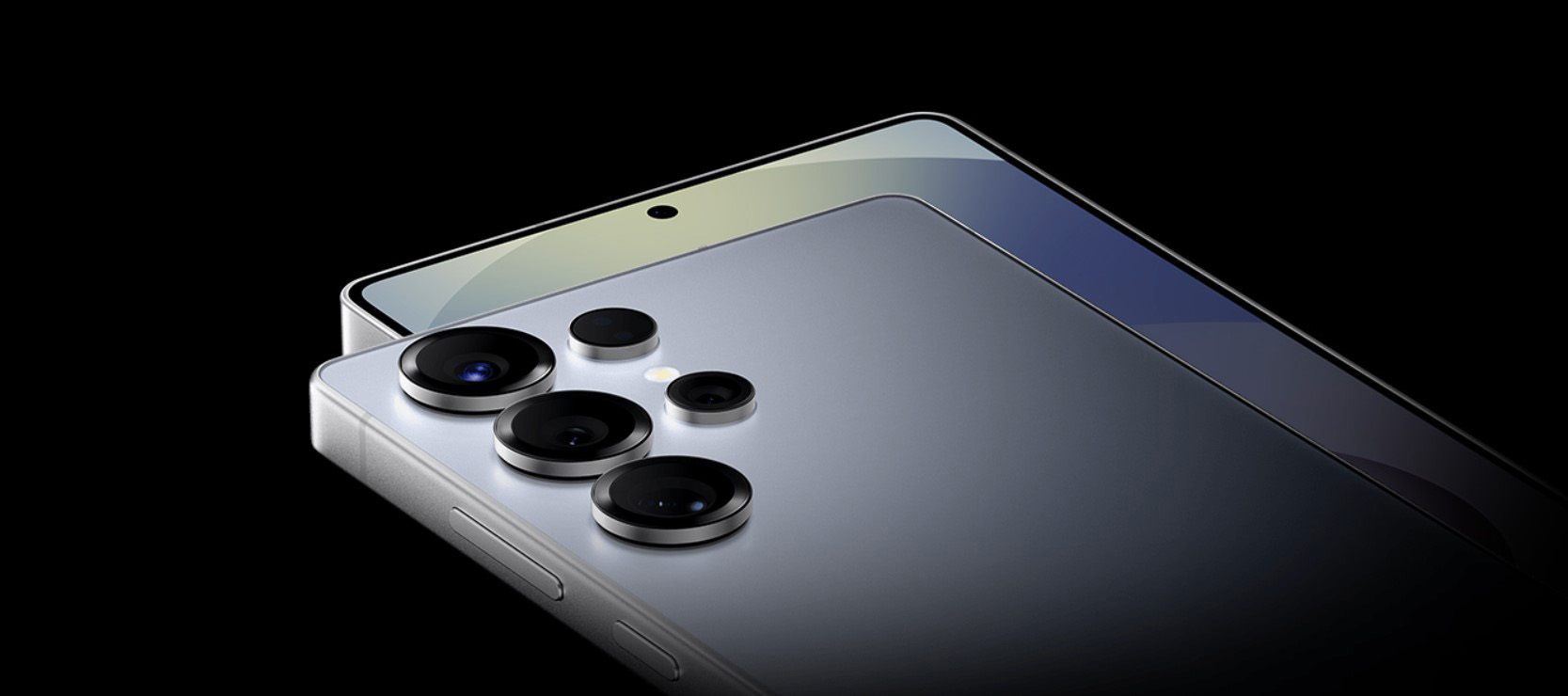
The Galaxy S26 Ultra’s feature list reads like a wishlist for power users. Beyond the S Pen and triple-lens camera system, the model introduces Samsung’s Flex Magic Pixel OLED display, which enables a ‘Privacy Display’ mode. This AI-driven feature dynamically adjusts lateral visibility, ensuring sensitive content remains hidden from side angles—a first for consumer smartphones. Coupled with a rumored 5,200mAh battery (or 5,000mAh in standard configurations), the Ultra is positioned as the ultimate workhorse for those who demand endurance and discretion.
Yet, the Ultra’s $1,500+ price tag raises the question: how many consumers are willing to pay for these features? Samsung’s production strategy suggests the company is betting heavily on the Ultra’s ability to justify its cost. If successful, it could set a new benchmark for flagship smartphones, forcing competitors to either match or risk falling behind. But for the base and S26+ models, the challenge will be proving they’re more than just downsized versions of the Ultra.
A Cautious Outlook for Mid-Tier Models
The base Galaxy S26 and S26+ are caught in a tight spot. With production capped at just 1.3 million units combined, Samsung appears to be targeting a niche audience—perhaps those in emerging markets or budget-conscious buyers who value efficiency over premium features. The Exynos 2600’s 2nm process could be a selling point, offering competitive battery life and thermal management, but it may not excite buyers who prefer Qualcomm’s ecosystem.
Samsung’s pricing strategy for these models could be critical. Rumors suggest the base Galaxy S26 will start around $26 less than its predecessor, positioning it as a more accessible option. However, without standout features or a clear value proposition, the mid-tier models may struggle to compete against alternatives like the Google Pixel 8 series or even Samsung’s own foldables. The real test will be whether consumers see enough reason to choose the base models over the Ultra—or if they opt for competitors entirely.
For Samsung, the Galaxy S26 series represents a high-stakes gamble. By focusing production on the Ultra, the company is doubling down on its flagship’s ability to drive revenue and innovation. But if the mid-tier models fail to gain traction, it could leave a gap in the market that competitors are eager to fill. One thing is certain: the Galaxy S26 series is breaking from tradition, and the Ultra’s success will determine whether Samsung’s strategy pays off—or leaves consumers wanting more.