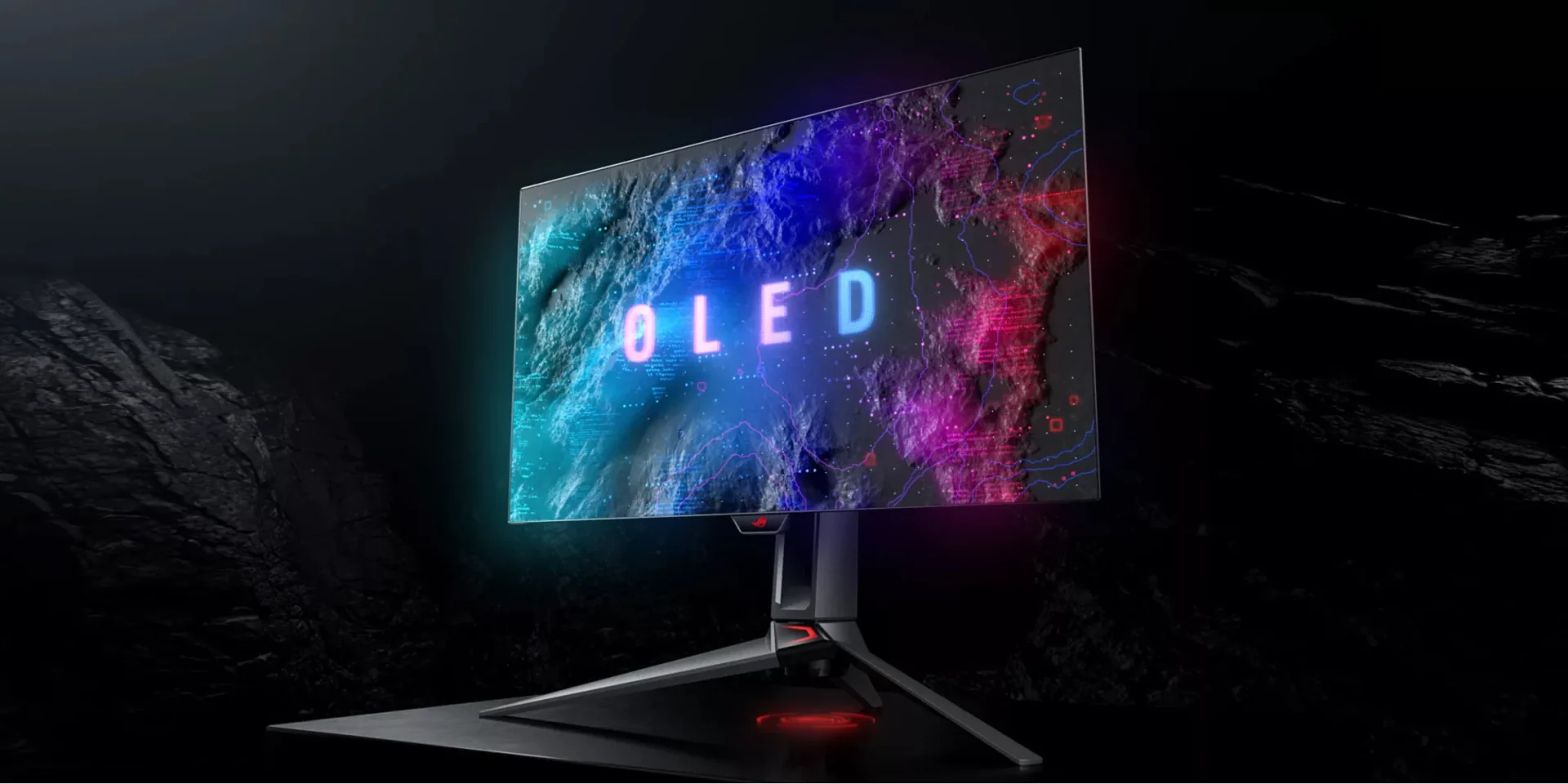
In the ever-evolving world of display technology, Samsung is poised to make a notable entrance with its upcoming OLED monitors. The reported preparation of 24-inch and 39-inch models suggests a strategic move that could reshape the professional monitor landscape, particularly for PC builders who demand high performance and precision.
The 24-inch model is expected to feature a WQXGA resolution (2560x1600) with a 180Hz refresh rate, catering to users who prioritize smooth visuals without compromising on screen real estate. The larger 39-inch monitor, on the other hand, is rumored to offer a WQUXGA resolution (3840x2400) at a 75Hz refresh rate, targeting productivity scenarios where size and clarity are paramount.
Key Specifications
- Display:
- - 24-inch model: WQXGA (2560x1600), 180Hz refresh rate, 345 ppi pixel density
- - 39-inch model: WQUXGA (3840x2400), 75Hz refresh rate, 128 ppi pixel density
Both models are expected to utilize Samsung's advanced OLED technology, which promises superior contrast ratios and deeper blacks compared to traditional LCD panels. This could be a game-changer for content creators and professionals who rely on accurate color representation and high dynamic range.
Real-World Implications
The introduction of these monitors could address a gap in the market where OLED technology has been largely absent, despite its advantages in terms of viewing angles and power efficiency. However, the higher price point associated with OLED panels may limit their immediate adoption among budget-conscious PC builders.
Additionally, the 39-inch model's lower refresh rate (75Hz) might raise concerns about smoothness for gaming or fast-paced applications, although its larger size could make it more suitable for productivity tasks where real-time performance is less critical. The smaller 24-inch model, with its higher refresh rate, seems better positioned to compete in the gaming and general-purpose monitor segments.
What to Watch
As Samsung prepares to launch these monitors, industry watchers will be closely monitoring pricing, availability, and how they stack up against established competitors like LG and Dell. The success of these models could hinge on whether Samsung can balance performance with cost, making OLED technology more accessible without compromising on quality.