In a move that underscores the growing pressure on tech giants to prioritize employee welfare, Samsung has agreed to significant concessions following a five-month deadlock with labor unions. The company’s decision to pledge 12% of its profits to employees and adopt a more collaborative stance comes just hours before an 18-day strike was set to begin.
This development marks a notable departure from Samsung’s traditional approach, which has often been characterized by rigid hierarchies and limited transparency. The pledge, while not yet detailed in terms of distribution or duration, signals a potential shift in corporate strategy, particularly in how the company engages with its workforce during critical moments of negotiation.
The decision to cave on key demands—including profit-sharing and a commitment to a 'humble attitude'—reflects broader industry trends where companies are increasingly recognizing the value of employee satisfaction in maintaining operational efficiency. This is particularly relevant for Samsung, which has faced mounting challenges in recent years, including supply chain disruptions and competitive pressures from rivals like Apple and Huawei.
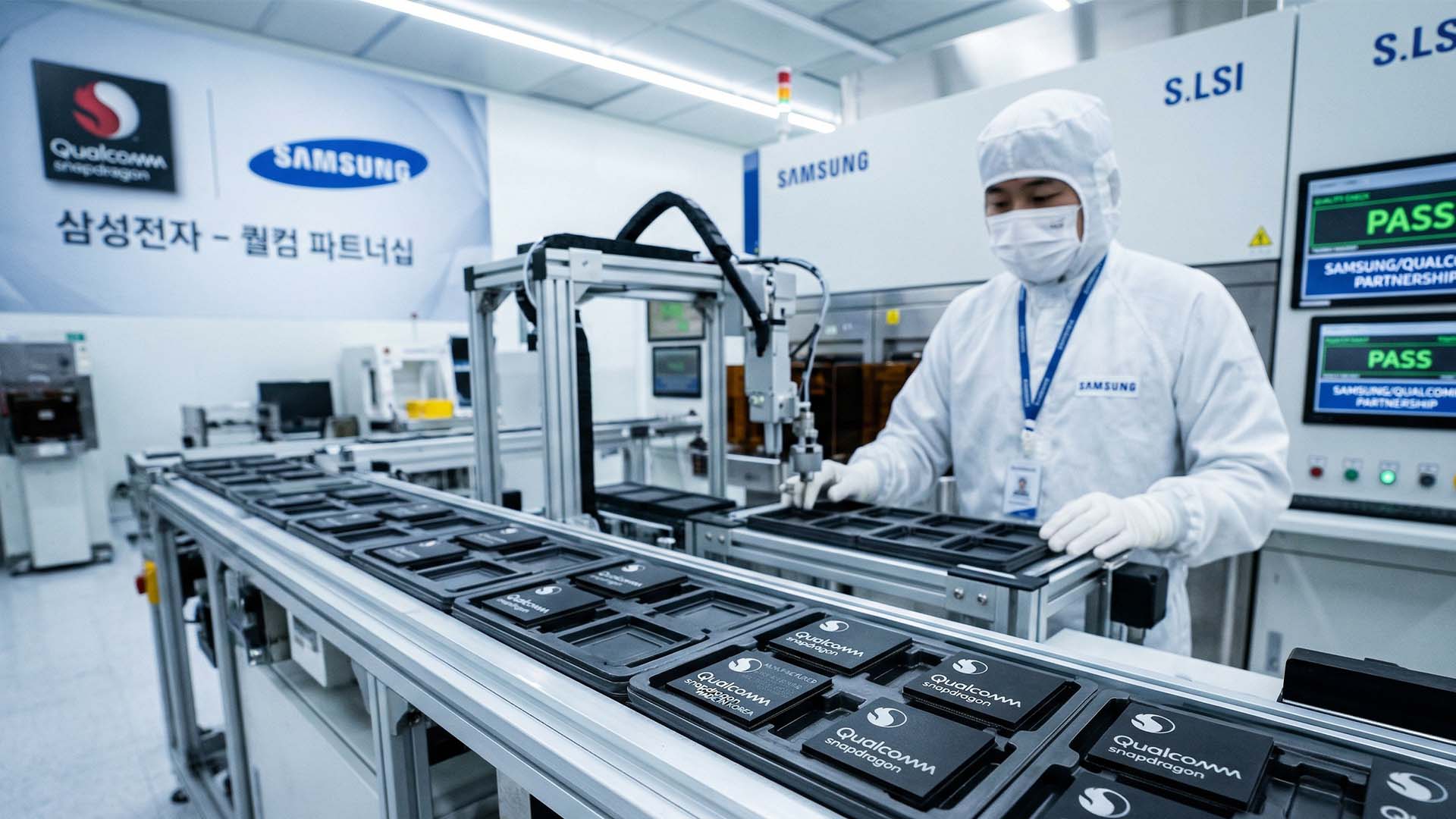
Industry analysts suggest that this move could set a precedent for other tech firms grappling with similar labor relations issues. The 12% profit pledge is not only a financial commitment but also a symbolic gesture aimed at rebuilding trust with employees, who have been vocal about concerns over working conditions and corporate governance.
What remains to be seen is how this new approach will translate into tangible benefits for Samsung’s workforce. While the company has historically been cautious in its labor policies, the stakes are high given the current economic climate and the need for sustained innovation to remain competitive. The 'humble attitude' pledge, if implemented effectively, could signal a more inclusive leadership style, though skepticism persists about whether such commitments will translate into lasting change.
For Samsung, this is not just about navigating an immediate crisis but also about redefining its long-term strategy in an era where efficiency and employee morale are increasingly intertwined. The company’s ability to balance profitability with labor relations will be a key indicator of its resilience in the face of evolving industry dynamics.