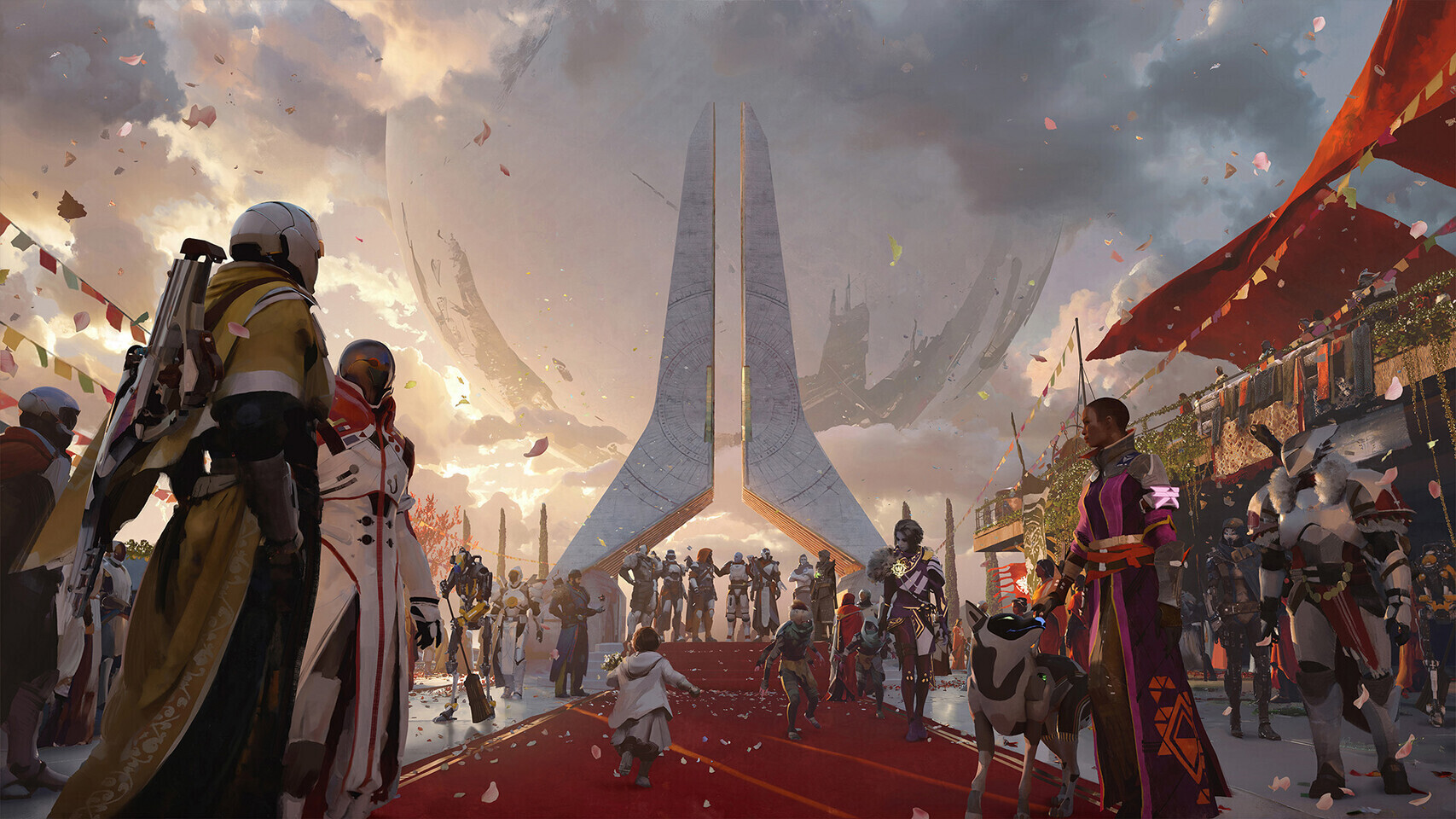
Bungie’s recent announcement to end development on Destiny 2 in June 2026 has exposed a significant disconnect between leadership and the broader team. Most developers were unaware of the decision, leaving them to continue work on updates while resources quietly shifted toward Marathon. The move underscores a strategic pivot that could reshape Bungie’s roadmap but also raises concerns about transparency and long-term planning.
The transition from Destiny 2 to Marathon presents both opportunity and risk. While Marathon has seen modest success with an estimated 1.2 million sales, it lacks the commercial traction that could sustain Bungie’s revenue stream. Sony’s additional support suggests a recognition of its potential, but expectations remain cautious about its ability to replace Destiny 2. Meanwhile, no other projects have been green-lit, leaving Bungie’s future uncertain.
Key Developments and Implications
- Sunsetting Destiny 2: Development will conclude in June 2026 after one final update. Most team members were unaware of the decision until the public announcement.
- Shift to Marathon: Resources have been redirected toward Marathon, though its player base and revenue remain below projections. Upcoming PvE and PvP updates aim to address concerns but may not be enough to secure long-term success.
- No Clear Replacement: No other games are in development, leaving Bungie’s pipeline empty beyond Marathon. Proposals for new projects, including potential Destiny sequels, have not been pursued.
The lack of transparency during the transition has left both developers and players questioning Bungie’s strategy. While some may regret investing in recent DLCs for Destiny 2, the focus now shifts to whether Marathon can evolve into a sustainable live-service title. Without further announcements, the company’s future remains uncertain, but one thing is clear: Bungie must redefine its approach to maintain relevance in an increasingly competitive market.
A Market in Flux
The gaming industry has seen a shift toward consolidated live-service ecosystems, and Bungie’s move reflects broader trends. However, the absence of a clear successor to Destiny 2 could leave a gap that competitors are quick to fill. For now, players and developers alike will watch closely as Bungie navigates this transition—one that could set the tone for its next chapter.