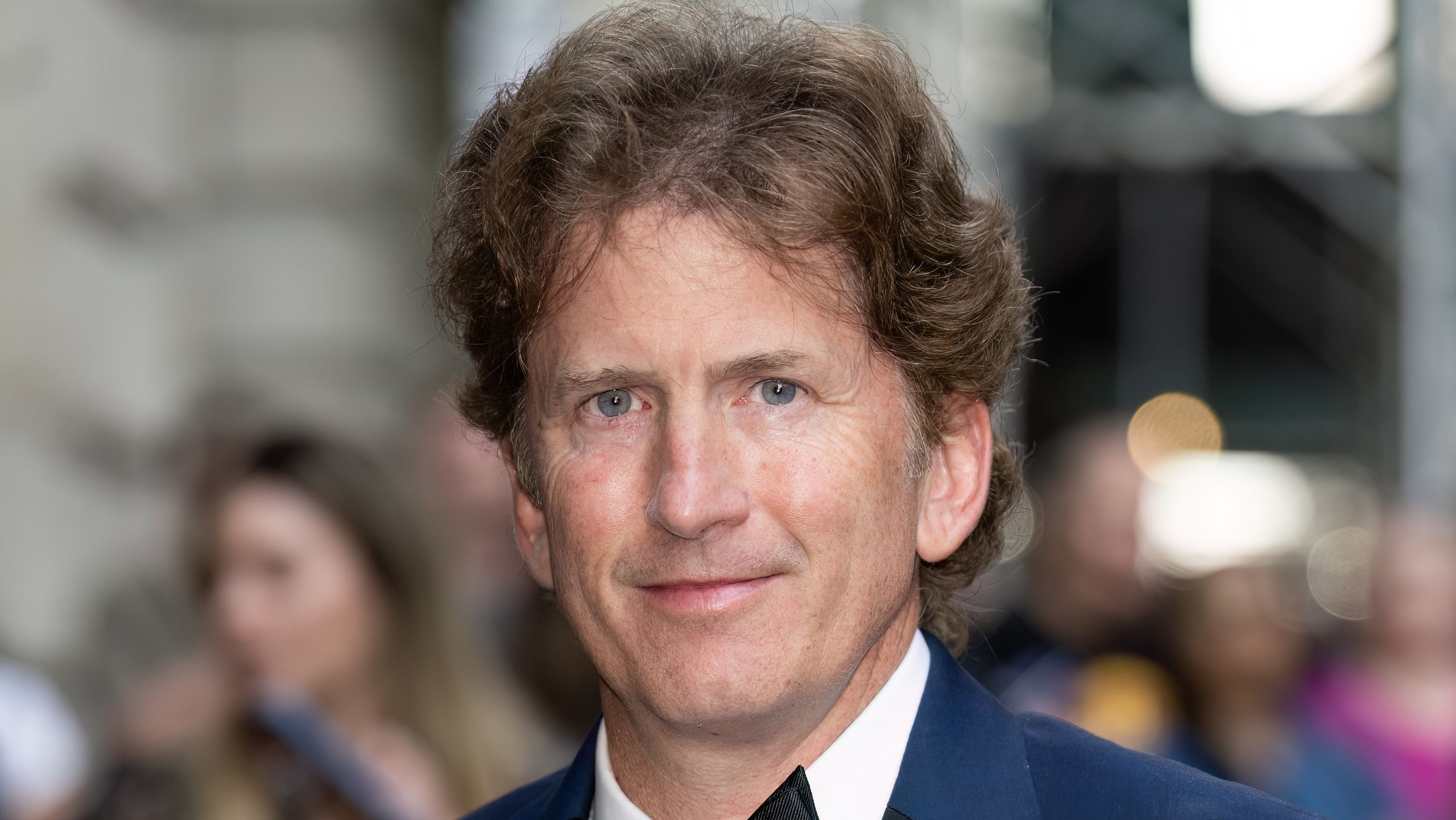
Todd Howard is a figure as familiar to gamers as he is polarizing to developers. While the Bethesda CEO is often framed in public discourse as a micromanager or an unapproachable visionary, the reality, according to Skyrim’s lead designer Bruce Nesmith, is far more nuanced. Howard, Nesmith says, is acutely aware of his own limitations—particularly the tendency to interfere when he shouldn’t—and has spent years trying to step back. Yet, as Nesmith puts it, Howard’s interference, which he calls ‘seagulling’—swooping in to alter decisions mid-process—remains a persistent challenge at the studio.
Nesmith’s insights offer a rare behind-the-scenes look at Bethesda’s creative process, one where Howard’s involvement is both a strength and a structural hurdle. The studio’s signature large-scale projects, from Skyrim* to Fallout, demand a level of oversight that Howard provides, but it also creates a bottleneck that even he admits he struggles to overcome.
The paradox of creative control
Howard’s reputation as a hands-on leader is well-documented, but Nesmith emphasizes that this isn’t about tyranny or arbitrary meddling. Instead, it’s a product of Bethesda’s culture—a culture that values deep involvement in key creative decisions, even if it sometimes stifles autonomy. ‘He works his hardest not to be a bottleneck,’ Nesmith notes. ‘But he doesn’t always succeed.’
Nesmith’s experience with Skyrim’s magic system illustrates this dynamic. Frustrated by what he saw as an outdated and clichéd approach to spellcasting, he proposed a complete overhaul. Howard approved the direction but, as Nesmith describes, gave him ‘a lot of freedom’ to execute it. The result was a system that felt fresh and dynamic—a testament to Howard’s ability to delegate while still keeping a watchful eye.
Yet this balance isn’t consistent. Howard’s ‘seagulling’—unannounced interventions—still happens, often in areas where he feels strongly about the vision. ‘It’s part of the culture,’ Nesmith explains. ‘It’s baked into how things are done.’ For a studio known for its ambitious, long-running franchises, this level of oversight might be necessary. But it’s also a reminder that Bethesda’s creative process is less about unchecked freedom and more about navigating a leader who is both deeply invested and, at times, overinvested.
A leader who cares—too much?
Nesmith’s portrayal of Howard paints a picture of a leader who is intensely engaged but not without self-awareness. ‘He cares about this and this and this,’ Nesmith recalls Howard saying, pointing to specific systems or mechanics that required his attention. While this hands-on approach can lead to creative friction, it also ensures that the studio’s signature elements—whether it’s Skyrim’s immersive world or Fallout’s morally complex choices—remain true to Howard’s vision.
The tension between creative control and autonomy is particularly evident in how Bethesda operates. Unlike studios that might adopt a more hands-off management style, Bethesda’s leadership is deeply intertwined with its creative output. This isn’t necessarily a flaw, but it does mean that developers like Nesmith must learn to work within those constraints—even when it means accepting occasional last-minute changes.
Looking ahead: What does this mean for Bethesda’s future?
Nesmith’s reflections come as Bethesda continues to expand its universe with upcoming titles in both The Elder Scrolls and Fallout series. His speculation on where these franchises might head—while not tied to any specific announcement—hints at a studio still grappling with the same challenges of scale and creative direction. Whether Howard’s ‘seagulling’ will persist or evolve remains an open question, but one thing is clear: Bethesda’s culture of deep involvement is unlikely to change overnight.
For Nesmith, who has since moved on to writing—including his Loki Redeemed trilogy—the experience of working under Howard was ultimately positive, despite the frustrations. ‘I had a tremendous amount of freedom,’ he says of his time on Skyrim*, even if that freedom wasn’t absolute. The lesson, perhaps, is that even in a studio as structured as Bethesda, creativity thrives when leaders like Howard can strike the right balance between vision and delegation.