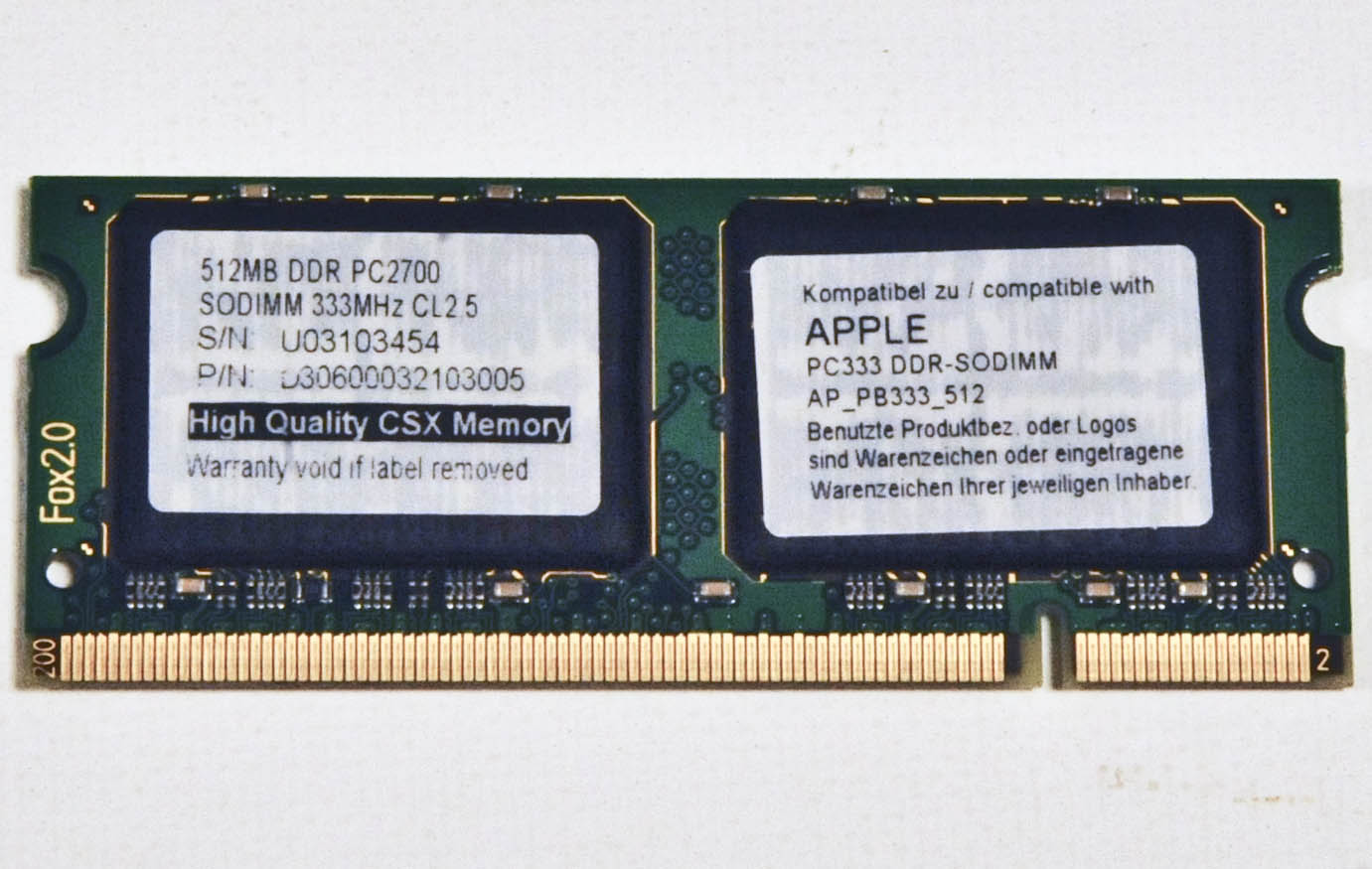
The global shortage of DRAM has forced smartphone manufacturers to rethink their priorities, moving away from the relentless pursuit of more lenses or higher-resolution camera systems. Instead, the focus is now on building devices that run cooler, last longer, and handle multitasking more smoothly—qualities that matter just as much to users but don’t demand the same level of hardware investment.
Historically, premium smartphones competed by stacking sensors, expanding image processing units, and pushing display resolutions. But with memory bandwidth becoming a constrained resource, the conversation has shifted toward algorithmic efficiency. This means fewer multi-lens setups and more reliance on software to enhance images, a trade-off that could redefine what users expect from high-end devices.
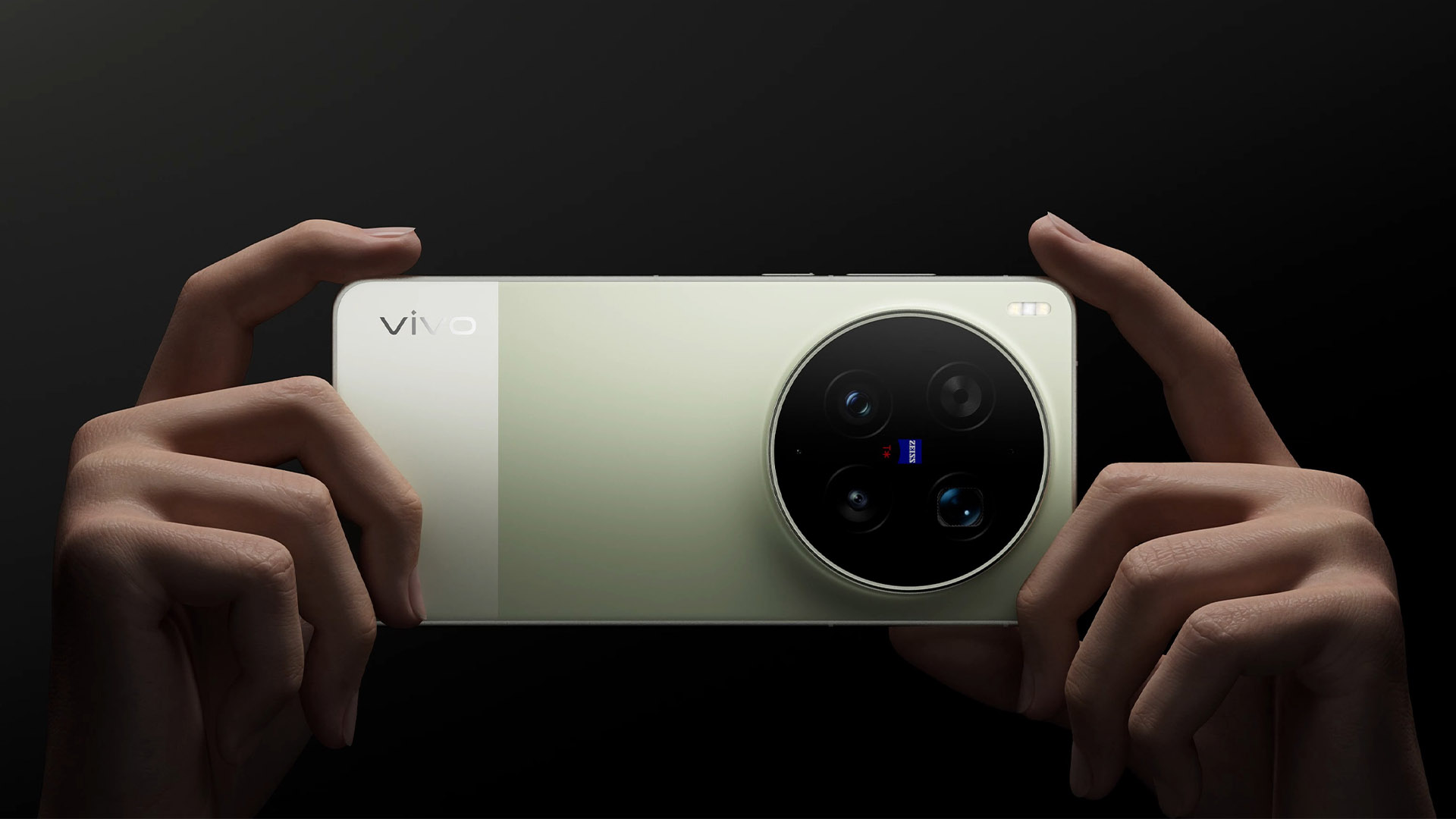
- Displays now balance 120Hz refresh rates with peak brightness up to 1,440 nits, ensuring smooth visuals without excessive power consumption.
- The chipset is built on a 3nm process, featuring an 8-core CPU that can reach 3.2GHz while generating less heat than previous generations.
- Memory is capped at 16GB LPDDR5X running at 2133MHz, delivering 40% more bandwidth for multitasking but leaving less room for camera processing.
- Storage standardizes at 512GB UFS 3.1, with sequential speeds up to 2,800MB/s—faster than before, but efficiency gains come from smarter system management under limited memory conditions.
- Battery capacity remains strong at 4,700mAh, now paired with a 67W fast-charging system that can replenish 90% of charge in 23 minutes, though thermal throttling is more tightly controlled to prevent overheating during sustained use.
For enterprise users, this shift could mean more stable performance under heavy workloads. Thermal management improvements reduce the risk of overheating warnings, which is particularly valuable for IT teams managing device fleets. The reduction in camera-related processing also means less background noise and power consumption, extending battery life between charges.
The change isn’t a permanent retreat from high-end cameras—it’s a strategic adjustment that acknowledges the limitations of current supply chains. Once DRAM availability stabilizes, competition will likely resume, but with a stronger emphasis on how camera features integrate with the rest of the system rather than standalone performance. Until then, users can expect devices that are faster, cooler, and more efficient—but perhaps slightly less flashy when it comes to computational photography.