The Galaxy S27 Ultra is redefining what it means to have a high-performance smartphone battery. While competitors focus on cramming more milliamp-hours into their devices, Samsung has taken a different path—one that emphasizes smart power management over brute-force capacity. The result? A 5,800 mAh battery that doesn’t just keep up with larger alternatives but often outperforms them in real-world use.
This isn’t just about raw numbers. It’s about how that power is used. Samsung’s adaptive charging system, which learns user behavior to optimize performance and reduce heat, ensures the Galaxy S27 Ultra maintains strong endurance even when pushed through demanding tasks like gaming or video editing. The trade-off—a slightly smaller battery—is more than made up for by the device’s refined hardware and software optimizations.
Connectivity in the Galaxy S27 Ultra is a study in modern efficiency without compromise. At its core, USB-C remains the sole port, but Samsung has packed it with advanced features
- - DisplayPort support over USB-C, enabling high-refresh-rate external displays and multi-monitor setups.
- - 45W wired charging, paired with 15W wireless and 4.5W reverse wireless charging for convenience.
- - No headphone jack, adhering to the USB-C audio standard, which is becoming increasingly universal but still requires adaptation from users.
The display itself is a showcase of Samsung’s engineering prowess. A 6.8-inch Dynamic AMOLED 2X screen with a 120Hz refresh rate delivers vibrant colors and smooth visuals, while the device’s snapdragon 8 Gen 3 for Galaxy processor ensures fluid performance across applications. The combination of efficient power management and high-performance hardware allows the Galaxy S27 Ultra to handle intensive workloads without significant battery drain.
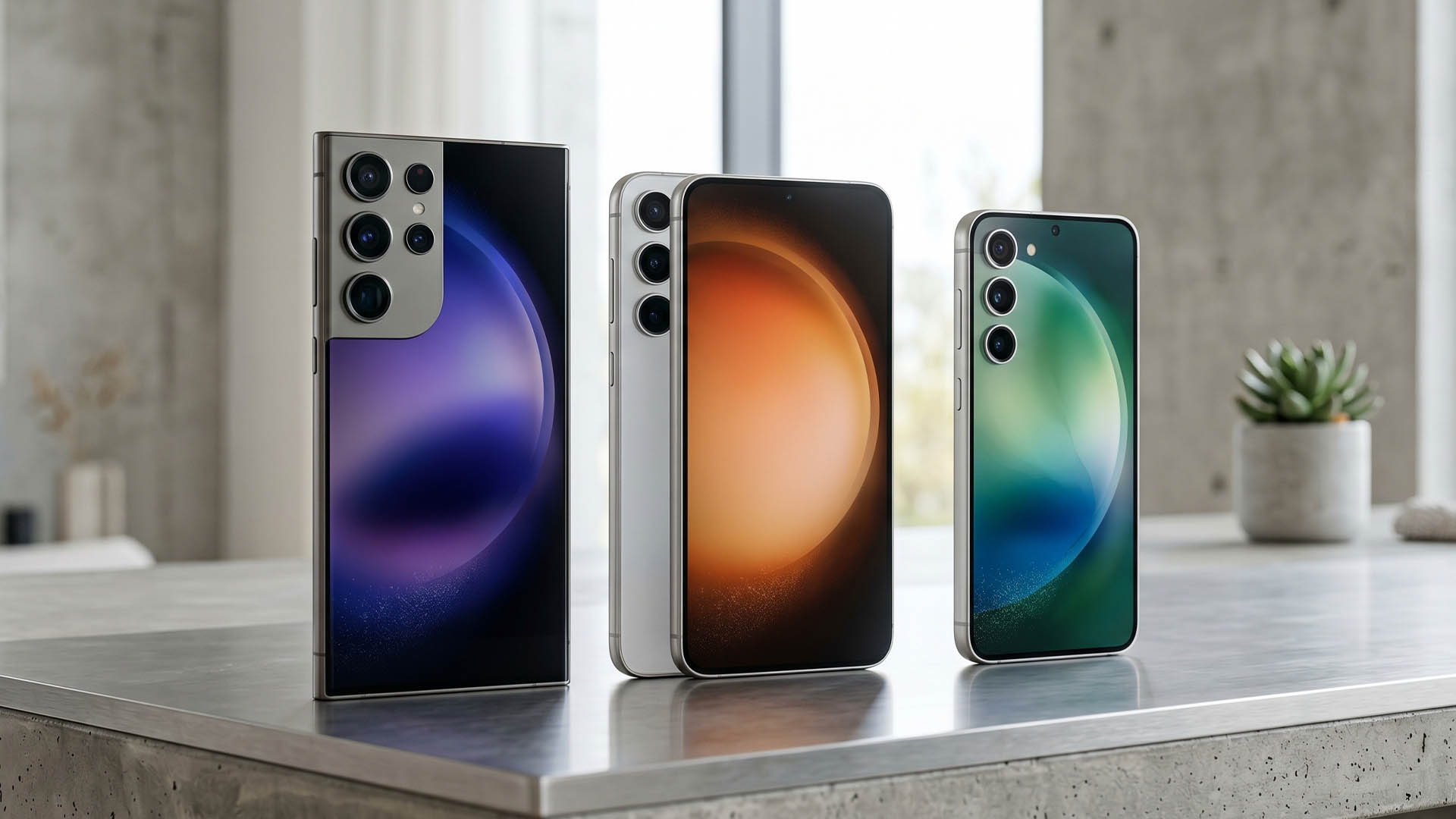
For users who rely on external displays or multi-tasking setups, the inclusion of DisplayPort support via USB-C is a standout feature. This capability, often reserved for desktops or high-end laptops, is now accessible on a smartphone, catering to professionals and creatives who need seamless transitions between mobile and stationary workflows.
The shift away from traditional headphone jacks remains the most noticeable connectivity change. While USB-C audio has become more widespread, it’s still an adjustment for users accustomed to dedicated audio ports. Samsung has addressed this by refining its implementation, but the transition highlights a broader industry move toward fewer, more versatile ports.
As the Galaxy S27 Ultra proves, innovation in smartphone hardware doesn’t always require bigger numbers. By focusing on efficiency, smart power management, and advanced connectivity features, Samsung has created a device that balances performance, portability, and future-proofing without sacrificing user experience. Whether this approach influences competitors remains to be seen, but it sets a new benchmark for what flagship smartphones can achieve without overcomplicating the design or compromising on essential features.