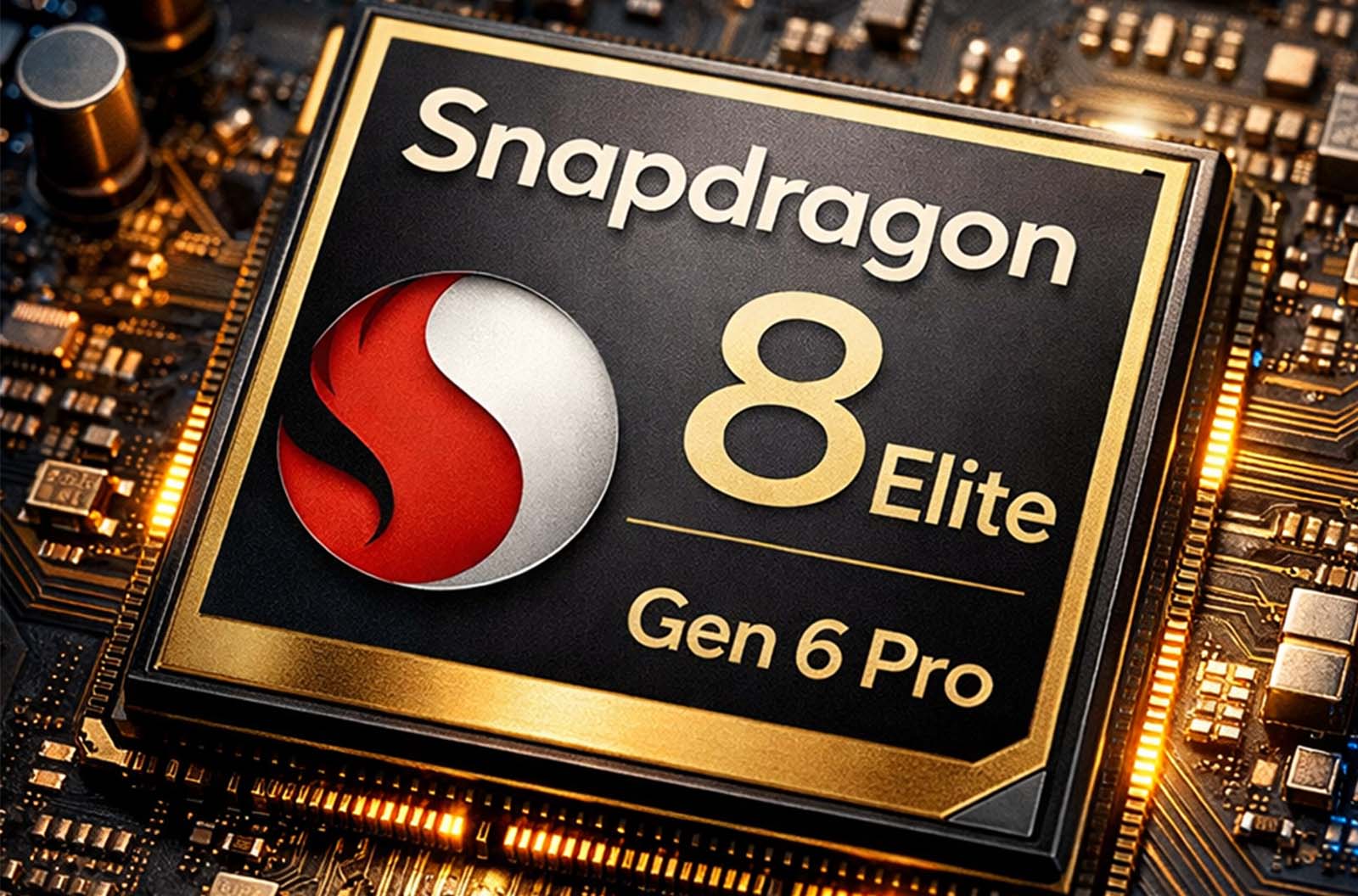
Qualcomm’s next-gen flagship isn’t just about raw performance. The Snapdragon 8 Elite Gen 6 Pro—rumored to debut alongside the standard Snapdragon 8 Elite Gen 6—is introducing a level of flexibility in memory and storage support that could reshape how manufacturers configure premium smartphones.
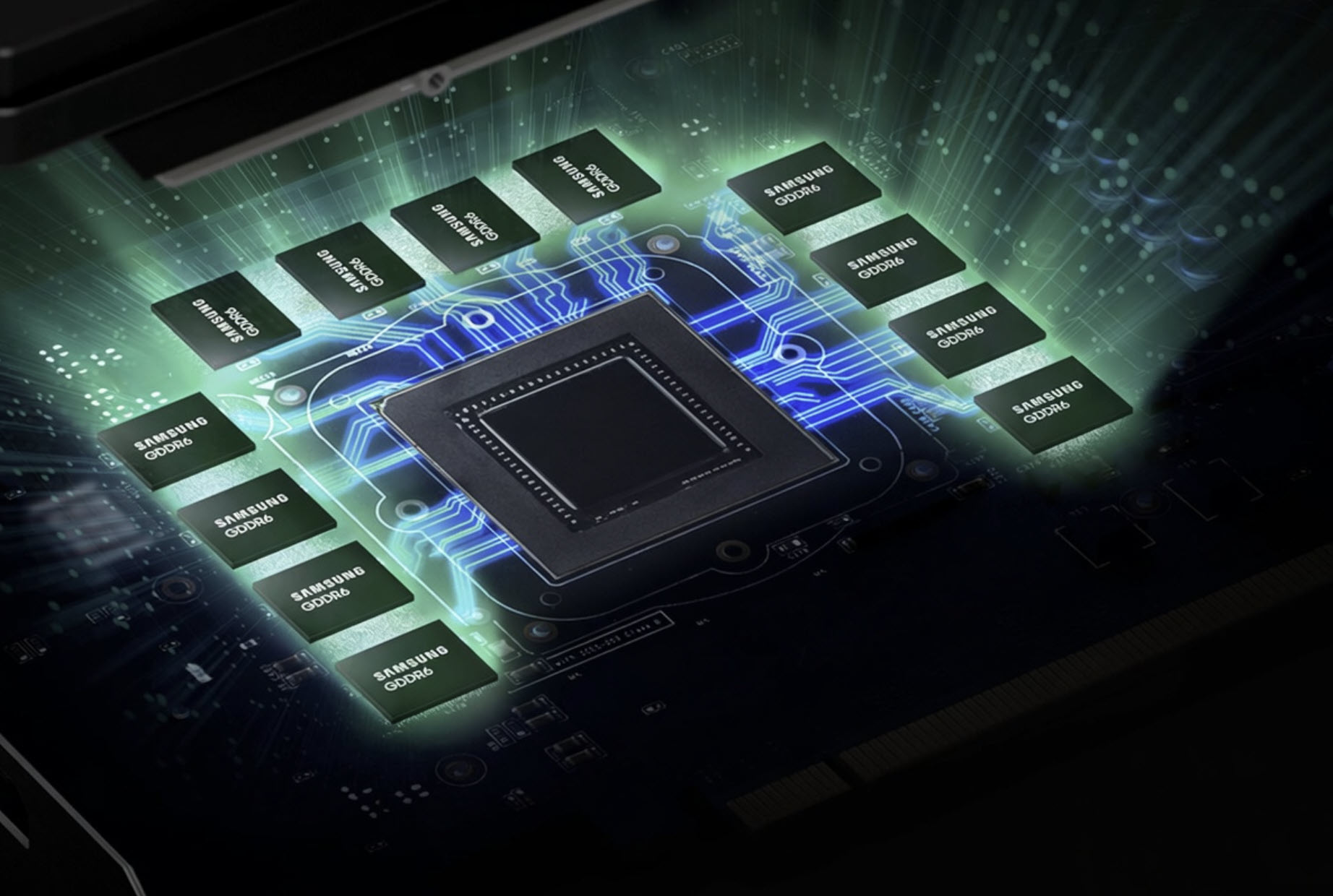
Unlike most flagship chips, which lock partners into the latest (and priciest) memory standards, the Gen 6 Pro will reportedly support LPDDR6, LPDDR5X, or even older LPDDR5—alongside UFS 5.0 storage. This flexibility is a direct response to the ongoing DRAM cost crisis, where LPDDR6 modules are estimated to be 20% more expensive than LPDDR5X, with 16GB configurations being the only viable option for now.
The trade-off? The Gen 6 Pro will still use TSMC’s advanced 2nm N2P process, ensuring top-tier efficiency and performance—but at a premium. Manufacturers like Xiaomi, already testing the chip under the SM8975 designation, may opt for LPDDR5X in their flagship models to balance cost and performance, even if the full potential of LPDDR6 remains untapped.
What’s Different This Time?
Most flagship chips dictate a single memory/storage standard to maximize performance. The Gen 6 Pro breaks that mold with
- Memory: LPDDR6 (top-tier, but costly), LPDDR5X (balanced), or LPDDR5 (budget-friendly fallback).
- Storage: UFS 5.0 support (future-proof), with potential backward compatibility for older UFS 4.0/3.1 in some configurations.
- Process: 2nm N2P (same as the standard Gen 6), ensuring no performance gap—but higher manufacturing costs.
This isn’t just a technical tweak; it’s a strategic move. With DRAM prices still volatile, manufacturers can now choose between cutting-edge specs and cost-effective alternatives without sacrificing the core Snapdragon 8 Elite Gen 6 Pro experience.
Who Benefits?
The flexibility primarily serves two groups
- Budget-conscious brands: Companies like Xiaomi or Realme may skip LPDDR6 entirely, opting for LPDDR5X in their flagships to avoid premium pricing while still delivering strong performance.
- Performance-focused OEMs: Samsung or OnePlus could push LPDDR6 in select models, leveraging the latest memory for gaming or AI workloads.
The standard Snapdragon 8 Elite Gen 6, in contrast, is expected to stick with LPDDR5X (and possibly LPDDR5), making it the more accessible choice for mass-market devices. This bifurcation mirrors Qualcomm’s past strategies—like the Snapdragon 8 Gen 2 vs. Gen 2+—where premium tiers offered incremental upgrades for those willing to pay extra.
However, the Gen 6 Pro’s flexibility isn’t without limits. LPDDR6 support is likely tied to 16GB configurations, meaning 8GB variants (common in mid-range phones) won’t see the upgrade. Storage flexibility is less clear, but UFS 5.0 will be the default for high-end models, with older standards reserved for cost-reduced variants.
The Bigger Picture
This approach underscores a shifting landscape in smartphone hardware. While LPDDR6 and UFS 5.0 are the future, the industry isn’t ready to abandon older standards entirely—especially when DRAM shortages persist. Qualcomm’s move could accelerate adoption of LPDDR6 in the long run, but for now, it’s a pragmatic solution for partners facing squeezed margins.
For consumers, the impact is subtle: flagship phones may still feel premium, but the under-the-hood specs could vary more than ever. Those prioritizing battery life or AI efficiency might see LPDDR6 in their devices, while others get LPDDR5X at a lower cost. The Gen 6 Pro’s true test will be whether manufacturers embrace this flexibility—or if it remains a niche option for a select few.
Pricing and official availability for the Snapdragon 8 Elite Gen 6 Pro remain unconfirmed, but leaks suggest it will arrive alongside the standard Gen 6 later this year, likely in the second quarter.