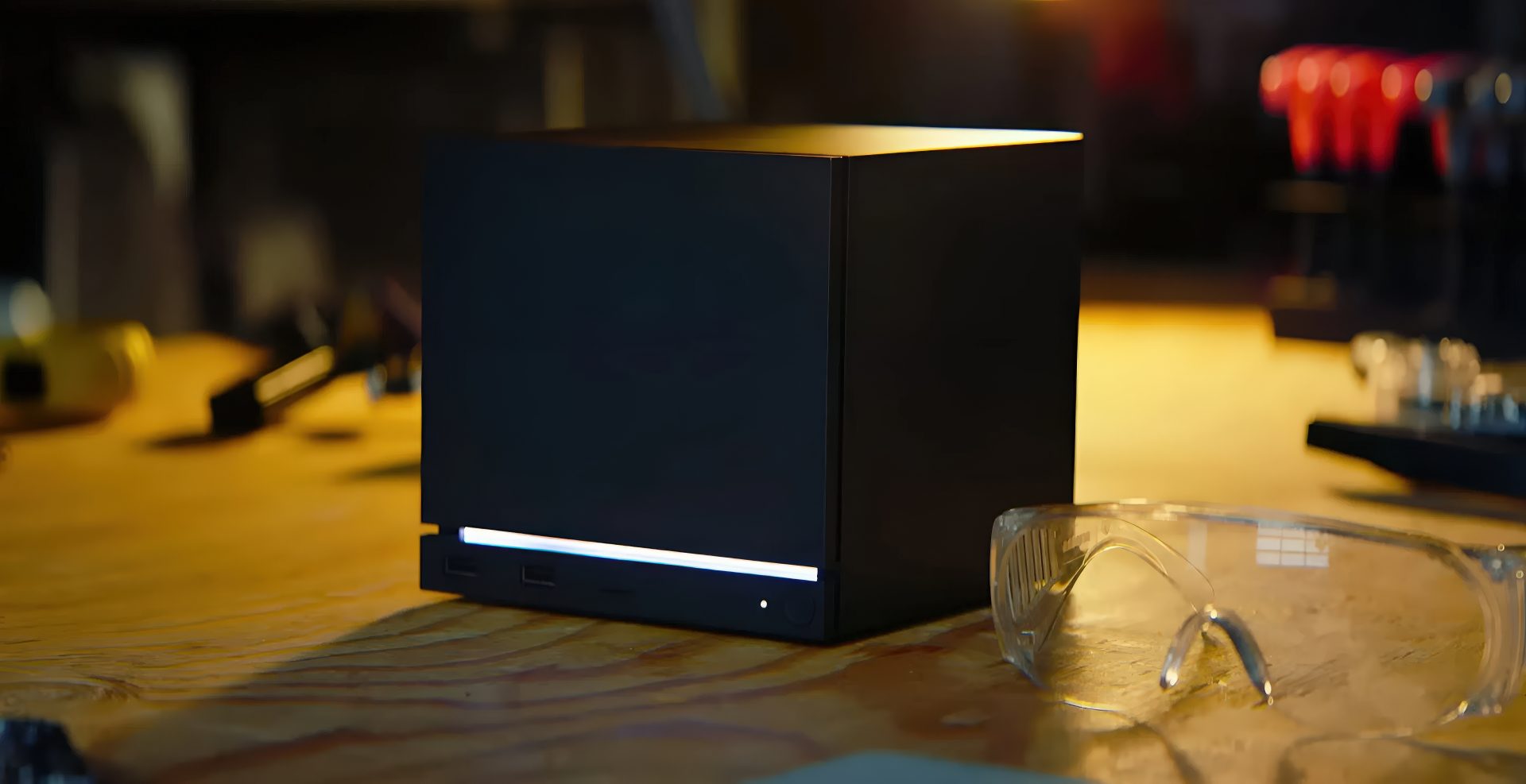
A developer testing a new game on an unreleased console finds themselves navigating a system that feels both familiar and entirely new. The graphics are sharper, the load times nearly invisible, but the backend tools—especially those tied to AI-assisted development—are where the real difference lies. This is the future Sony and Microsoft are building for their next-generation consoles: PS6 and Project Helix.
Both systems are designed around a shift in how games are built, played, and optimized. Sony’s PS6 will feature a custom AMD CPU with eight cores running at 3.5 GHz, paired with a GPU clocked at 2.8 GHz. Microsoft’s Project Helix, while still under wraps, is rumored to adopt a more modular approach, potentially allowing developers to target both console and cloud-based experiences seamlessly. The focus for both isn’t just raw power—it’s about creating environments where developers can iterate faster, with AI tools handling much of the heavy lifting.
The PS6 will introduce a new storage architecture, combining 825GB of ultra-fast SSD with an additional 1TB of standard storage. This is paired with 16GB of GDDR6 RAM, ensuring smooth performance even for the most demanding titles. Project Helix, on the other hand, may take a different path, possibly leveraging Microsoft’s existing cloud infrastructure to offload some computational tasks. Both consoles will support 4K resolution at 120Hz, with PS6 adding a new feature called ‘Dynamic Resolution Scaling,’ which adjusts graphics quality in real-time based on performance needs.

For developers, the stakes are high. The move toward AI-assisted development tools means that those who don’t adapt risk being left behind. Sony has already hinted at integrating these tools into its ecosystem, potentially making it harder for developers to switch platforms if they become too reliant on PS6’s proprietary features. Microsoft, with its history of cloud integration, may offer more flexibility, but the question remains: will this flexibility come at the cost of performance consistency?
Looking ahead, the battle between PS6 and Project Helix won’t just be about hardware specs—it’ll be about which platform can better lock in developers while still delivering the best possible experience for players. For now, both systems are on track to launch in late 2024, with Sony’s console expected to hit shelves first. The real challenge will be seeing how these platforms evolve beyond their initial releases, especially as AI becomes more ingrained in every stage of game development.