The next installment in the Fate of the Old Republic series will prioritize a tight, focused experience over vast open spaces. This shift reflects a deliberate design choice aimed at delivering a narrative-driven adventure that rewards player engagement rather than sheer scale.
While modern blockbuster games often chase expansive worlds and constant motion, this entry will instead lean into slower pacing and more intricate storytelling. Players can expect choices to carry significant weight, with consequences unfolding in real time—a departure from the open-ended progression seen in recent titles.
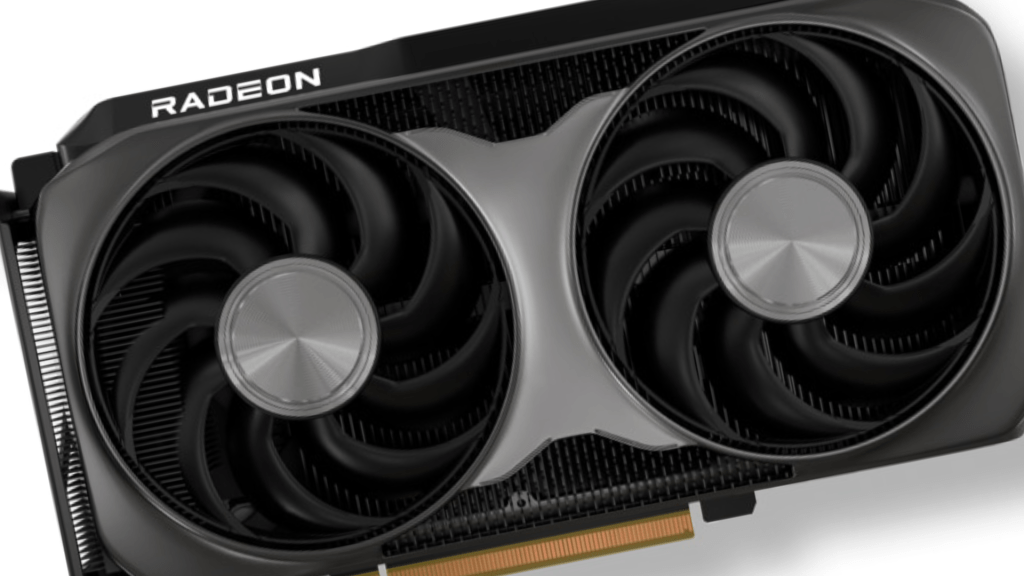
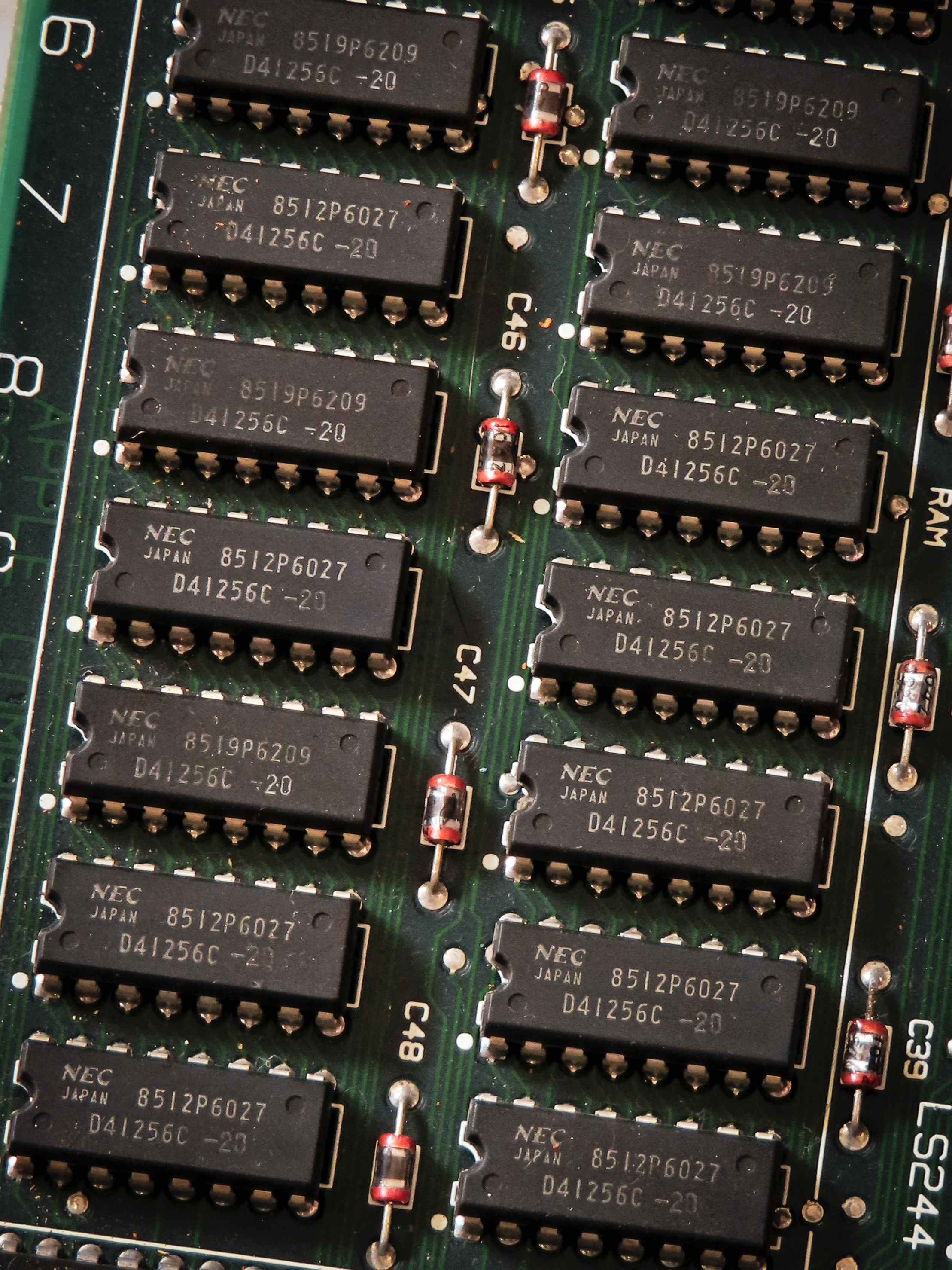
The game’s technical foundation includes a 6-core CPU running at 3.4 GHz, paired with 12 GB of GDDR5 RAM and a GPU clocked at 1.8 GHz. These specs suggest a balance between performance and narrative immersion, avoiding the computational bloat that sometimes plagues large-scale games.

- Performance: 6-core CPU (3.4 GHz), 12 GB GDDR5 RAM, GPU (1.8 GHz)
- Design Focus: Narrative depth over open-world scale
The absence of traditional level-scaling mechanics means players will navigate environments that adapt dynamically to their actions, rather than encountering identical zones regardless of progression. This approach mirrors classic RPGs where exploration feels organic and consequences matter.
For enterprise buyers evaluating upgrade paths, this game presents an opportunity to test mid-range hardware under a workload that prioritizes CPU efficiency over raw GPU power. The tradeoff lies in whether the narrative experience justifies the investment, given the lack of open-world sprawl.
What remains unclear is how multiplayer or co-op elements will integrate into this focused framework. If those features follow suit, they may further solidify its appeal to players seeking depth over breadth.
Watch for pricing announcements in late 2024, with availability expected to align closely with the game’s narrative pacing—no rushed releases here.