Valve’s attempt to bring a console-style controller to the PC gaming ecosystem has quickly devolved into a logistical headache. The Steam Controller, designed to blend touchpad precision with traditional analog sticks, was supposed to redefine input devices—but its launch day became a cautionary tale about scalability and developer priorities.
On the surface, the hardware is impressive: a dual-core ARM Cortex-A7 processor running at 1.2 GHz, paired with 512 MB of RAM and 4 GB of internal storage. It’s not just another Bluetooth peripheral; it’s a self-contained computing device with its own microOS, SDK, and even a software development kit for custom input profiles. But the moment Valve opened pre-orders, scalpers pounced, turning what should have been a straightforward launch into a chaotic scramble. The company responded by introducing a reservation queue, effectively admitting that the initial supply chain was too fragile to handle unfiltered demand.
Specs and Constraints
- Processor: Dual-core ARM Cortex-A7 @ 1.2 GHz
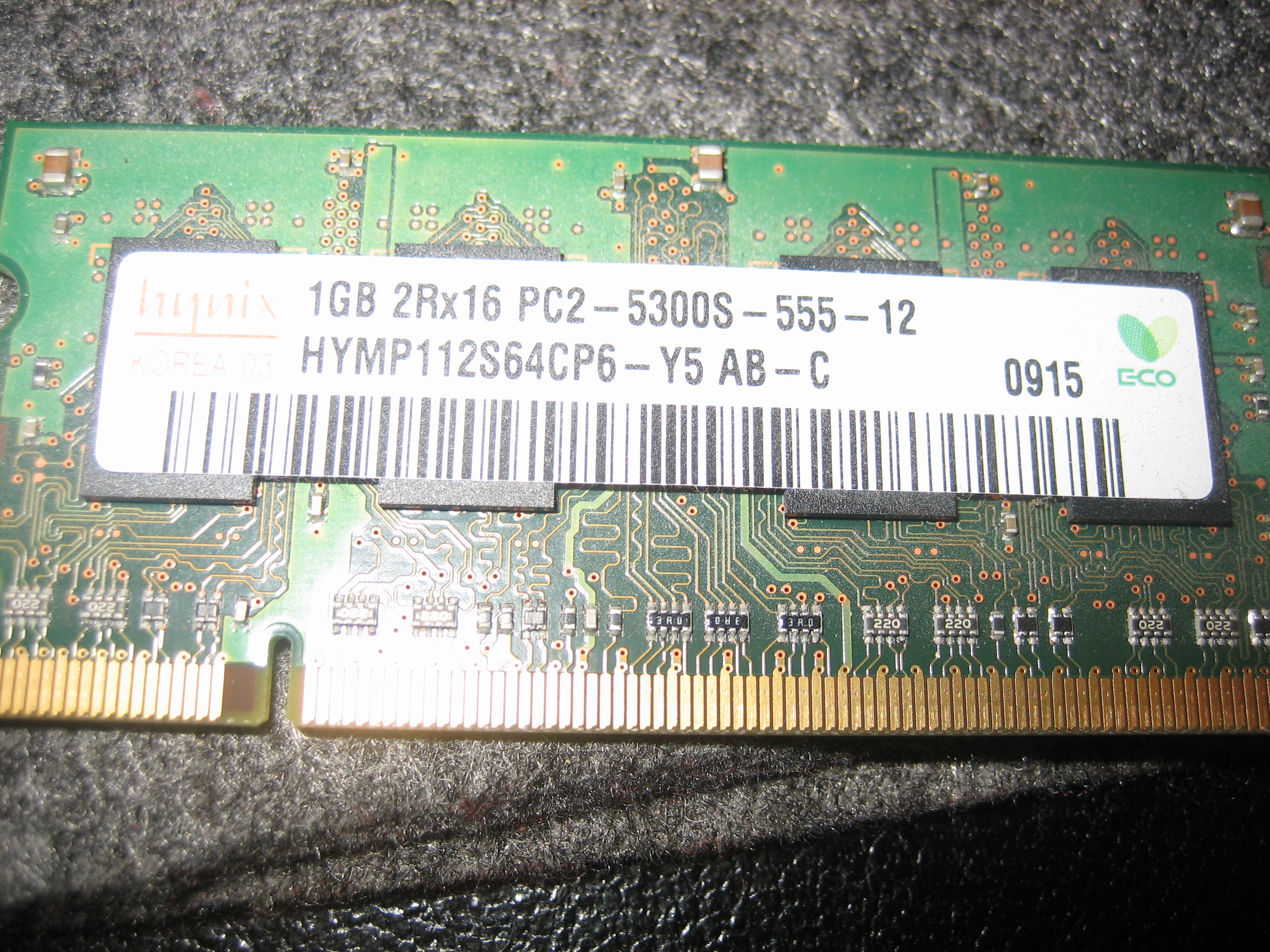
- Memory: 512 MB DDR3 RAM
- Storage: 4 GB internal (expandable via microSD)
- Connectivity: Bluetooth 4.0, USB micro-B (for charging/data transfer)
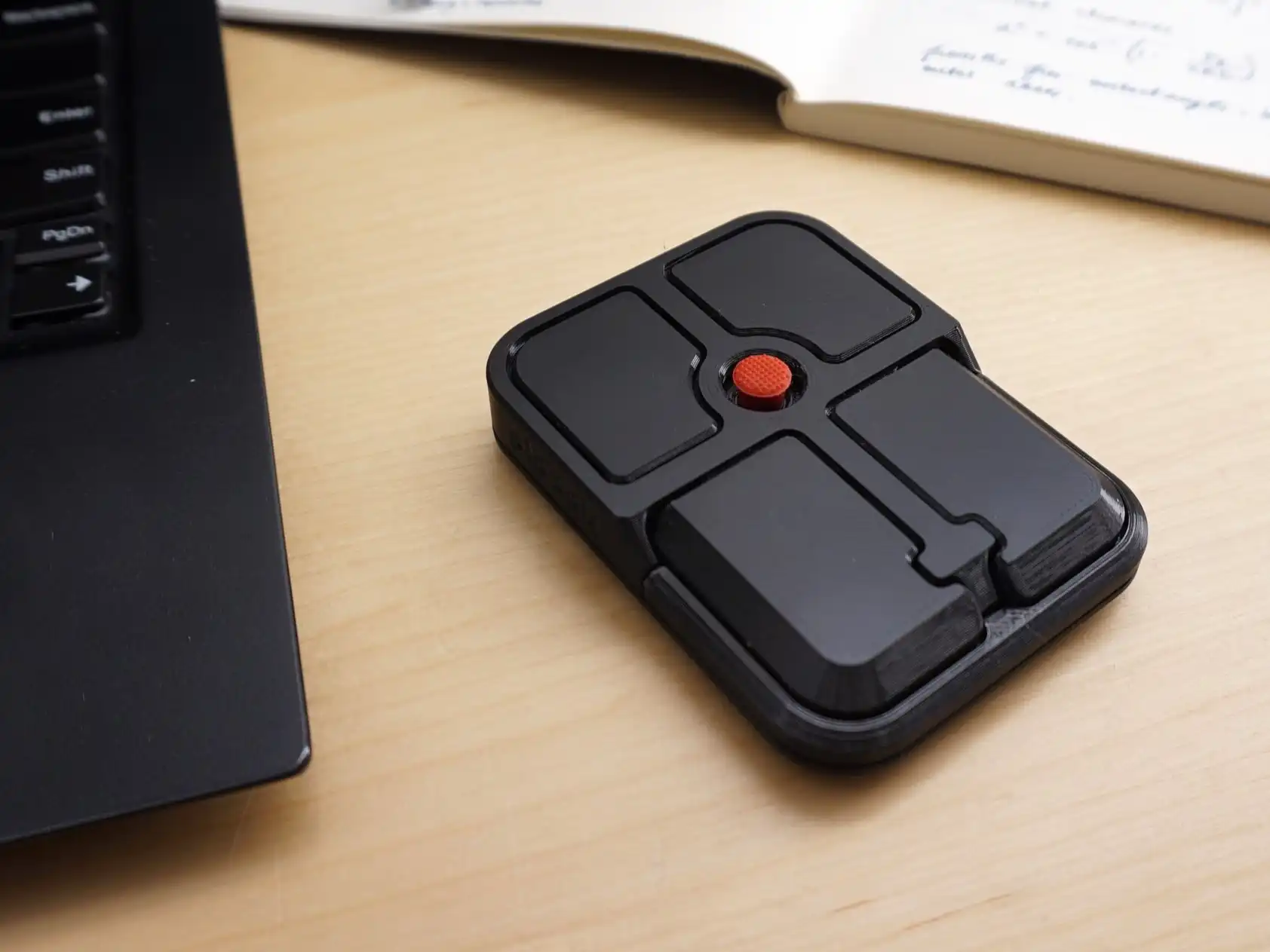
- Input: Dual analog sticks, touchpad with pressure sensitivity
- Battery: 1200 mAh (estimated 8–16 hours per charge)
The hardware itself is a study in tradeoffs. The Cortex-A7 chip is energy-efficient but not a powerhouse, which explains why Valve emphasized battery life over raw performance. The touchpad is the star feature—capable of gestures like swipes and pinches—but its effectiveness hinges on software support, which remains uneven across games. Meanwhile, the 512 MB of RAM is a deliberate constraint; Valve’s SDK enforces strict memory management to prevent fragmentation, but it also means the controller can’t run heavy applications natively.
The Scalper Problem
Valve’s decision to switch from immediate sales to a reservation system wasn’t just about curbing scalpers—it was an acknowledgment that the supply chain couldn’t handle unchecked demand. The company had planned to ship 50,000 units in the first wave, but within hours of pre-orders opening, bots and resellers snapped up every available slot. The reservation queue, which now requires a Steam account and a minimum of one game purchased from Valve’s store, is a temporary fix, but it raises questions about whether this was always part of the plan or a last-minute pivot.
Developer Support: A Work in Progress
The real test for the Steam Controller isn’t just its hardware—it’s how well developers embrace its input model. The touchpad is revolutionary, but without robust SDK integration and game-specific tweaks, it risks becoming a gimmick. Valve has provided tools for customization, including a Steam Input API that lets games map inputs dynamically, but adoption has been slow. Some titles already support the controller with full gesture recognition, while others treat it like a traditional gamepad, ignoring its unique features entirely.
What’s Next?
The reservation queue will remain in place for at least the next two weeks, giving Valve time to assess demand and adjust production. Whether this becomes a permanent distribution model or a temporary measure remains unclear. For developers, the challenge is clear: if they don’t optimize for the Steam Controller’s input model, they risk alienating users who invested in hardware designed specifically for their games. The controller itself may evolve—rumors suggest Valve is exploring a second-generation design with improved battery life and processing power—but without stronger developer buy-in, its long-term relevance could be in question.