The Steam Deck 2 is shaping up as a test case for how far hardware can stretch when memory becomes the limiting factor. Targeted for a late-2028 debut, its design hinges on a balance between raw performance and power efficiency—two attributes that are becoming harder to reconcile as RAM and NAND supplies tighten globally.
This isn’t just about one component; it’s about the entire stack. The Deck 2 is expected to push boundaries in both CPU and GPU integration, but without sufficient memory bandwidth or storage capacity, those gains risk being muted. For PC builders who see the Steam Deck as a blueprint for future portable power, the implications are clear: if the next iteration falters on memory, it could set a precedent for other devices chasing similar ambitions.
The core challenge is performance-per-watt. A handheld device that aims to match desktop-class workloads without overheating or draining battery requires precision engineering at every layer. That means not only faster clocks and more cores but also smarter thermal management and power delivery—all of which depend on having the right memory modules available in volume.
But here’s where the timeline comes under pressure. Reports suggest that while Valve is locked on 2028, the current RAM and NAND crunch could force delays or compromises in storage tiers, RAM capacities, or even the choice of memory technology itself. A device that promises to run modern games at high settings needs at least 16 GB of LPDDR5X—something that’s already constrained by production bottlenecks. If those constraints worsen, the Deck 2 might have to settle for lower tiers, which would directly impact its competitive edge against both consoles and traditional laptops.

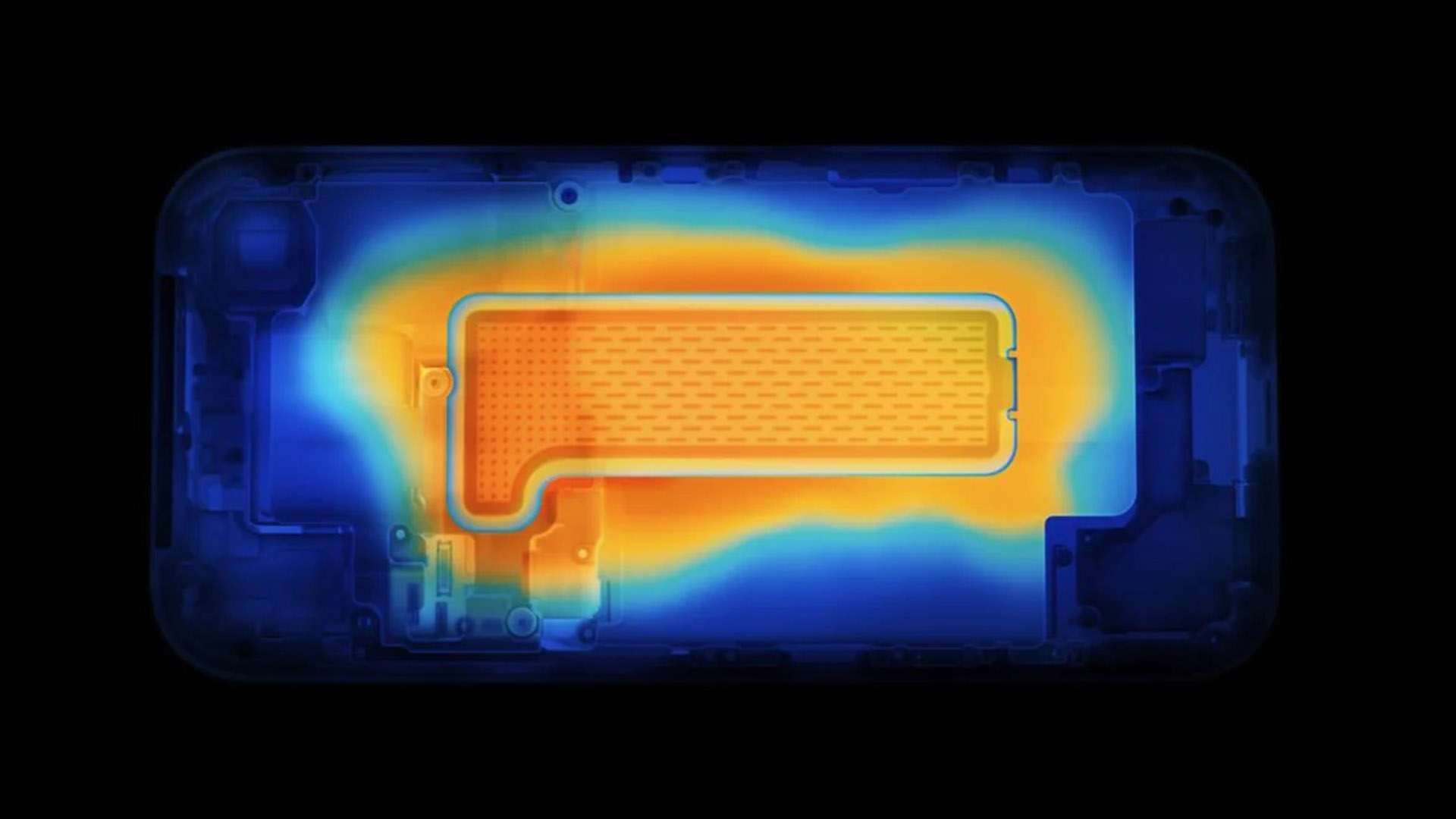
Thermal management is another area where memory plays a silent but critical role. High-bandwidth memory modules generate more heat per unit area than their lower-capacity counterparts. If the Deck 2’s thermal design can’t keep up, it could lead to throttling or reduced battery life—two factors that define a handheld’s practicality.
For PC builders watching this space, the bigger question is compatibility risk. The Steam Deck has always been an experiment in portability, but if its next iteration stumbles on memory availability, it may force Valve to rethink not just hardware specs but also software optimizations and even the underlying architecture. That could ripple outward, influencing how other OEMs approach portable gaming devices in the years ahead.
What’s at stake isn’t just a launch window—it’s the very definition of what a handheld can be. If the Deck 2 arrives on schedule but with limited memory options, it may signal that the industry is reaching its limits without a breakthrough in storage or power efficiency. For now, the focus remains on whether Valve can navigate this crunch without sacrificing performance—or if we’re about to see another round of delayed promises and compromised specs.
Availability remains the wild card. While 2028 is the stated target, any shift in memory supply chains or production schedules could push that date further out. The lesson from previous generations is clear: when it comes to handheld gaming, patience isn’t just a virtue—it’s often necessary.