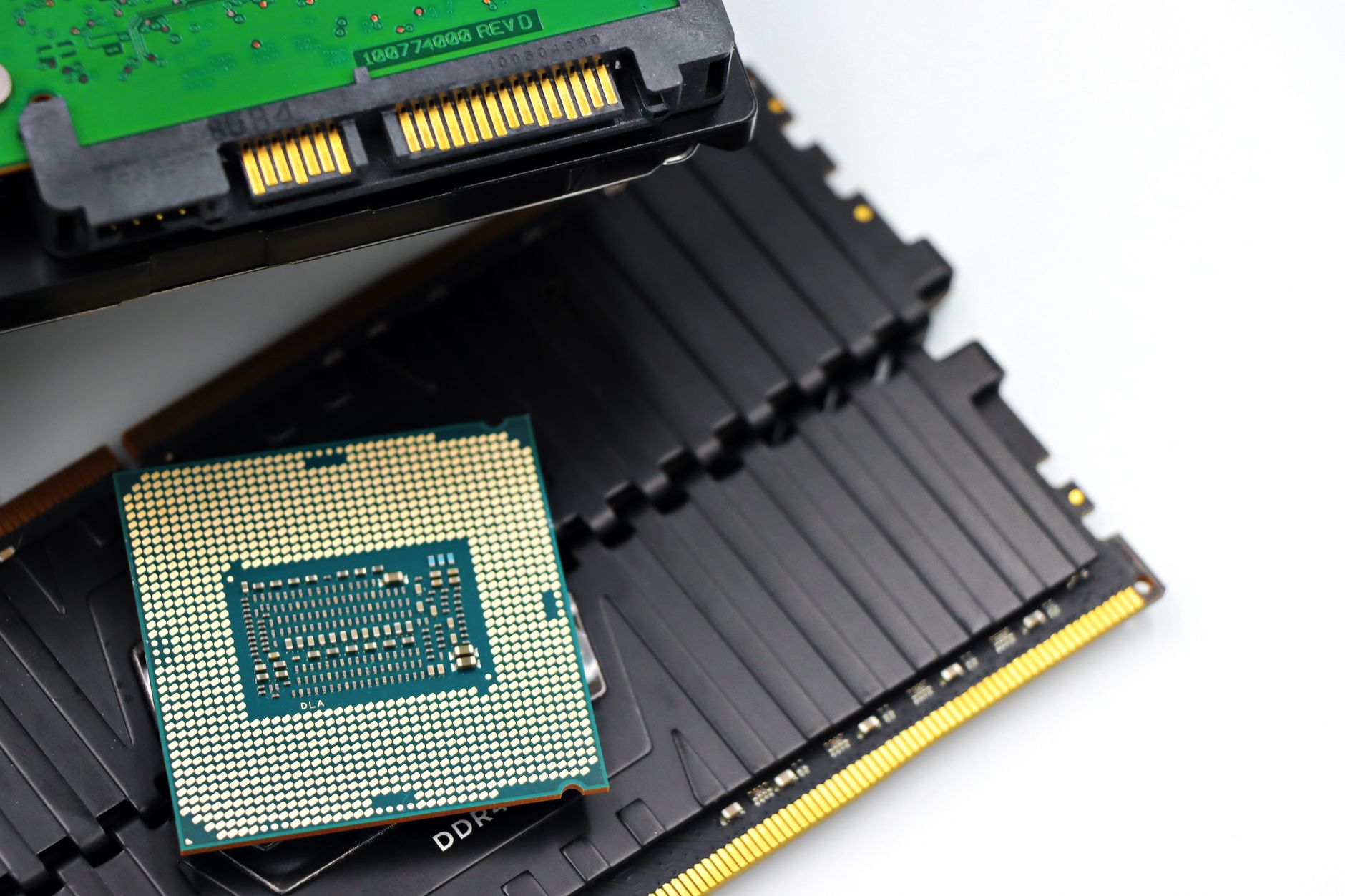
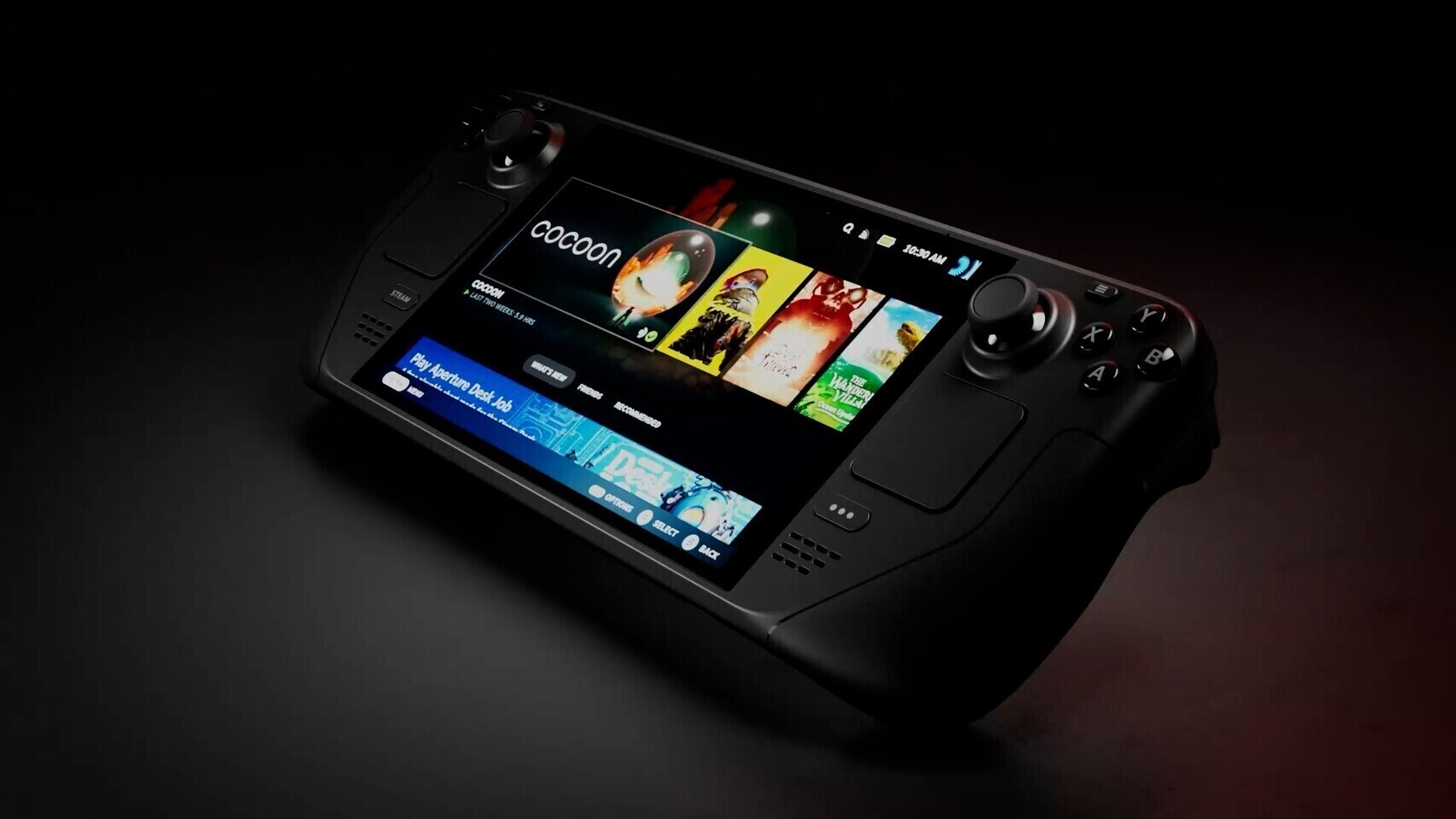
Valve has issued a rare update to its Steam Deck website, revealing that the OLED model’s production and distribution are now facing significant hurdles due to a persistent shortage of NAND Flash and DRAM modules. While the company has secured substantial inventory in the past, current demand has outstripped supply, leaving buyers in key markets scrambling for stock.
The shortage isn’t unique to Valve. Across the tech industry, manufacturers—from consumer electronics to data centers—are competing for limited memory and storage capacity. Hyperscalers and cloud providers, which typically lock in long-term contracts with suppliers, remain the primary beneficiaries, further tightening availability for consumer products like the Steam Deck OLED.
The OLED Model’s New Reality
Regions including North America, Japan, Taiwan, South Korea, and Hong Kong have already reported difficulties in securing new OLED units, with some retailers unable to fulfill orders. Earlier optimism about steady supply in markets like the UK and Australia has faded as global stockpiles deplete. Valve’s regional partner, Komodo, has confirmed the challenges in Japan, adding to the frustration of gamers awaiting the handheld’s premium display.
For those still hoping to purchase the 256GB LCD version, the outlook is equally grim. Valve has stated that remaining stock will be sold until depletion, as this model was discontinued in December 2025. The OLED variant, which boasts a sharper, more vibrant screen, now carries the brunt of the supply crunch.
Why This Matters
- Limited alternatives: The Steam Deck OLED remains one of the few handhelds with a high-refresh OLED display, making it a sought-after upgrade for power users. Without immediate relief in component shortages, buyers may face prolonged wait times.
- Broader industry strain: The memory and storage crunch extends beyond gaming devices, affecting everything from smartphones to data centers. Analysts predict the tight supply could persist through 2028, as seen in recent forecasts from SK Hynix.
- Price volatility risk: While Valve hasn’t announced price hikes, the shortage could indirectly drive up costs for remaining stock, especially if production delays force last-minute adjustments.
What’s Next?
Valve has not provided a timeline for when OLED production might stabilize, though the company has historically worked to mitigate such issues by diversifying suppliers. For now, potential buyers should monitor official updates and regional stock alerts. Those prioritizing the LCD model may find better availability—but even that is dwindling.
The Steam Deck OLED’s launch was already delayed from its original 2024 timeline, and this latest development underscores the challenges of balancing high-demand components with global manufacturing constraints. Without a clear resolution to the memory shortage, the handheld’s premium variant may remain out of reach for many for the foreseeable future.