Valve’s Steam Machine was supposed to bring a fresh wave of gaming to living rooms worldwide, but its journey has hit a major roadblock. The project, which promised a console-like experience with the flexibility of PC hardware, is now facing significant delays due to a combination of component shortages and soaring prices.
The core issue lies in the balance between performance and cost. The Steam Machine’s specification sheet includes 16GB of RAM—a substantial upgrade from its predecessor—and an 8GB discrete GPU, likely an RTX 5060 model. These components are not only powerful but also among the most sought-after in today’s market, driven by demand from AI data centers and consumer electronics. The result? Prices for RAM and GPUs have surged, squeezing Valve’s margins and forcing a reevaluation of its release plans.
Design and Build: A Shift in Strategy
The Steam Machine was always intended to be more than just another gaming PC. Its design aimed to bridge the gap between traditional consoles and high-end desktops, offering a compact form factor with the raw power of modern hardware. However, the current component crunch has forced Valve to reconsider both its build strategy and timeline.
Earlier iterations of the Steam Machine leaned heavily on modularity, allowing users to upgrade components over time. This approach was practical but also risky in a market where supply chains are unpredictable. With RAM and storage prices skyrocketing, Valve may need to lock down its hardware configurations earlier than planned or even explore alternative suppliers to secure stable pricing.
Hardware Changes on the Horizon
Rumors suggest that Valve is evaluating changes to the Steam Machine’s internals to mitigate costs. One possibility is reducing the amount of RAM from 16GB to a more manageable 8GB, though this would significantly impact performance in modern games and multitasking scenarios. Another option could be shifting to lower-power GPUs or even integrating AMD’s RDNA architecture differently to cut expenses without sacrificing too much performance.
Storage is another critical area where Valve may need to adapt. The original specification called for 1TB of storage, but with prices for SSDs and NAND flash memory rising, Valve could be forced to downsize or negotiate longer-term contracts with suppliers to lock in better rates. This would not only affect the Steam Machine’s price but also its competitiveness against consoles like the PlayStation and Xbox, which often bundle larger storage capacities at more accessible price points.
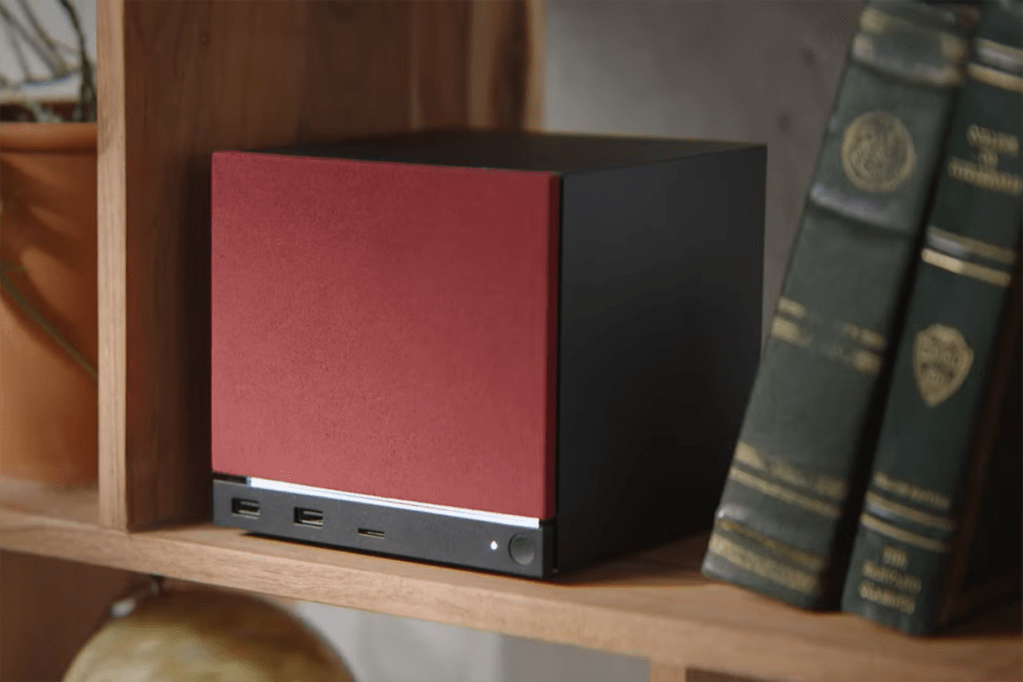
Specs: The Current Challenge
- RAM: 16GB (potential reduction to 8GB)
- Storage: 1TB (potential downsizing due to cost)
- GPU: 8GB discrete GPU, likely RTX 5060
- Architecture: AMD-based (RDNA or similar)
The Steam Machine’s original appeal was its ability to deliver near-PC-level performance in a console-like package. However, with the current market conditions, Valve may need to compromise on some of these features to keep costs in check. The RTX 5060, for instance, is a powerful GPU but one that has seen price increases due to high demand. If Valve cannot secure favorable terms for this component, it could either push the product’s price higher or delay its release further.
Looking Ahead: Can Valve Adapt?
The Steam Machine’s future is uncertain, but Valve is not without options. The company has a history of navigating challenging market conditions, as seen with the Steam Deck’s initial launch and subsequent supply issues. Whether it can repeat that success with the Steam Machine remains to be seen.
One potential path forward is for Valve to focus on pre-orders or limited-edition bundles, similar to how the Steam Deck was initially launched. This could help gauge market demand while also providing some financial stability during the component crunch. Alternatively, Valve may explore partnerships with third-party manufacturers to produce the Steam Machine under license, reducing its dependency on in-house supply chains.
Regardless of the path taken, the Steam Machine’s journey will serve as a case study in how global component shortages can reshape even the most promising hardware projects. For now, gamers and enthusiasts will have to wait and see if Valve can turn this challenge into an opportunity—or if the Steam Machine will become another casualty of the current market storm.