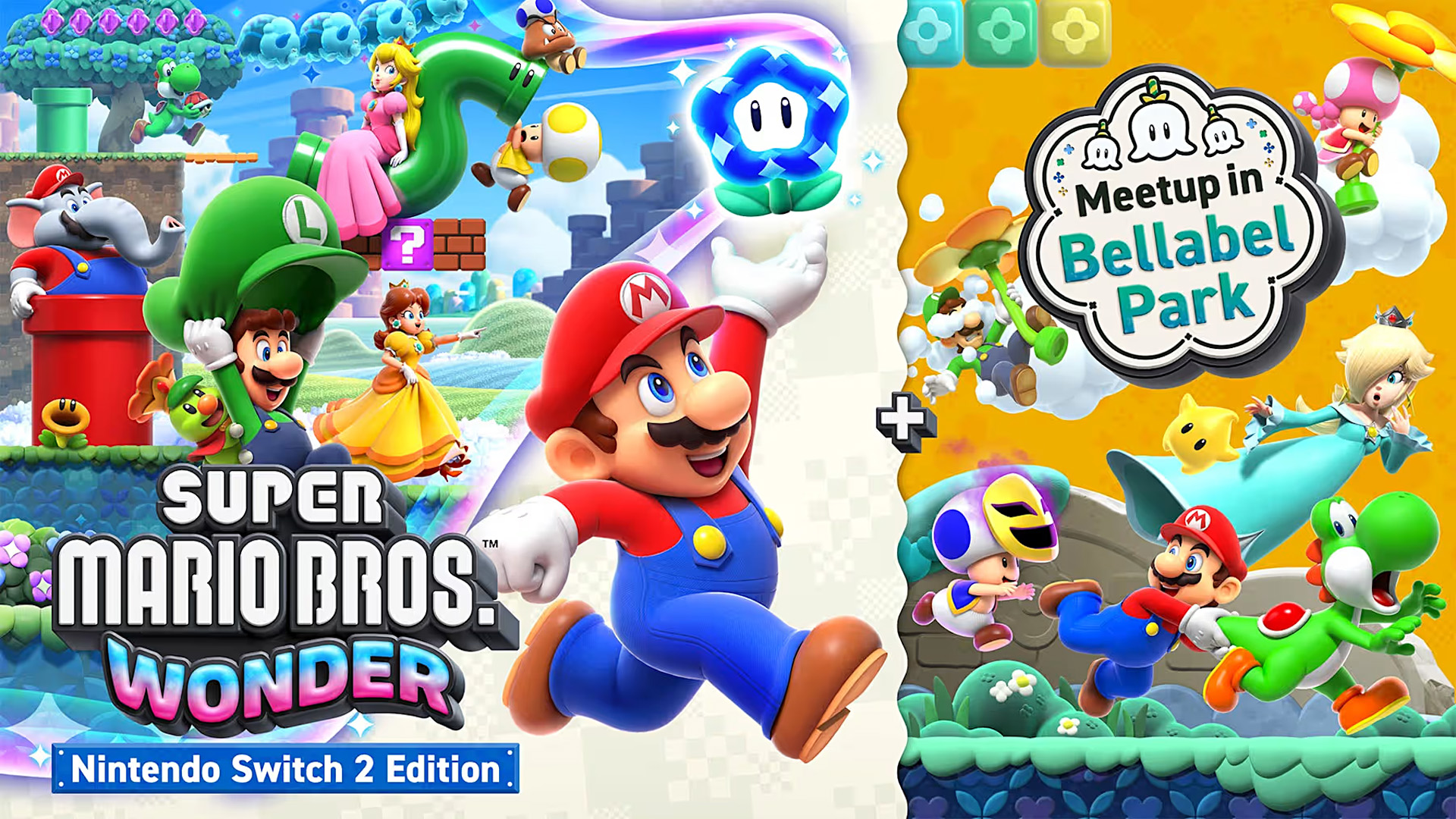
Super Mario Bros. Wonder arrives as more than just an evolution of the classic platformer—it’s a reimagining of player interaction within its world. Unlike previous entries that prioritized solo journeys, this version introduces real-time multiplayer collaboration without compromising the main campaign. Players can now join others in 'Meetup' mode, where collective actions reshape levels on the fly, creating a feedback loop that feels organic yet unpredictable.
The game’s technical foundation remains robust—128MB of RAM and 4GB of storage support its expanded content, while a 3.6 GHz clock ensures smooth performance even under dynamic conditions. Yet it’s the introduction of mechanics like the 'Wonder Seed' that pushes boundaries, allowing players to alter environments mid-game in ways that ripple across solo or group play.
Why It Stands Out
The shift toward multiplayer integration is the most noticeable change, but it’s also the most impactful. Bellabel Park, a central hub, now responds to player input with fluidity, whether through shared puzzles or environmental transformations. This isn’t just about adding co-op features; it’s about creating a system where every action feels intentional and rewarding.
Reaction from the Community
Early responses highlight curiosity about how deeply these mechanics will integrate into future updates. Some note that the game’s storage capacity hints at long-term content support, while others speculate on whether this marks a permanent shift toward collaborative design in the series. The focus remains on experimentation—both for players and developers.
The Bigger Picture
This iteration suggests a broader trend: games are increasingly treating multiplayer not as an add-on but as a core experience. For creators, Wonder offers tools to test new ideas in real time, while for casual players, it opens doors to shared discovery. Whether this becomes the standard or just another milestone remains to be seen, but one thing is clear—it’s a playground designed to grow with its players.