Tech’s supply chain is undergoing a quiet revolution—one driven not by sudden spikes in demand, but by cold, hard cash. A group of industry heavyweights has deployed billions to secure memory chip production, effectively gambling that today’s shortages will become the new normal. The move offers hardware manufacturers unprecedented stability, but it also risks reshaping the market in ways that could outlast its intended benefits.
Memory chips are no longer just a component; they’re the backbone of modern computing, underpinning everything from smartphones to AI-driven data centers. Yet while demand has surged, supply remains tightly constrained by geopolitical tensions and manufacturing bottlenecks. The usual stopgap solutions—like stockpiling or rapid retooling—have proven unreliable. Now, a different approach is taking hold: long-term contracts that don’t just secure inventory, but dictate production priorities for years to come.
The Scale of the Commitment
At least three major tech firms—a consumer electronics giant, a cloud infrastructure leader, and an AI accelerator specialist—have entered into multi-year agreements with memory suppliers. The total value of these deals is estimated at $10 billion or more, though precise figures remain confidential.
These aren’t your typical procurement contracts. They’re designed to influence production lines, incentivizing suppliers with penalties for shortfalls and bonuses for exceeding targets. The underlying assumption? That the industry’s current scarcity will persist long enough to justify such heavy investment. Suppliers are being asked to prioritize capacity expansion for these firms above all else, effectively betting that today’s constraints will define tomorrow’s market.
Stability at a Cost
The immediate benefit is clear: hardware manufacturers gain predictable access to a component that has become a major bottleneck in product development. For consumers, this could mean fewer abrupt price swings or stockouts—provided the deals hold up. But the trade-offs are substantial.
- Higher costs upfront: The billions being invested by tech firms will almost certainly filter down, making devices more expensive unless efficiency gains fully offset the increase.
- Supply chain vulnerability: Relying on a small number of long-term suppliers reduces flexibility. If those partners face disruptions—whether from geopolitical shifts or operational errors—the entire industry could be left exposed.
- Innovation risks: Suppliers locked into contracts may have less incentive to push for breakthroughs in memory technology, potentially stifling progress in areas like high-bandwidth memory (HBM) or emerging non-volatile types.
The deals also raise questions about market dynamics. If suppliers are guaranteed steady revenue streams, will they invest in diversification? Or will they double down on the status quo, leaving other segments—like embedded systems or IoT—to compete for whatever spare capacity remains?
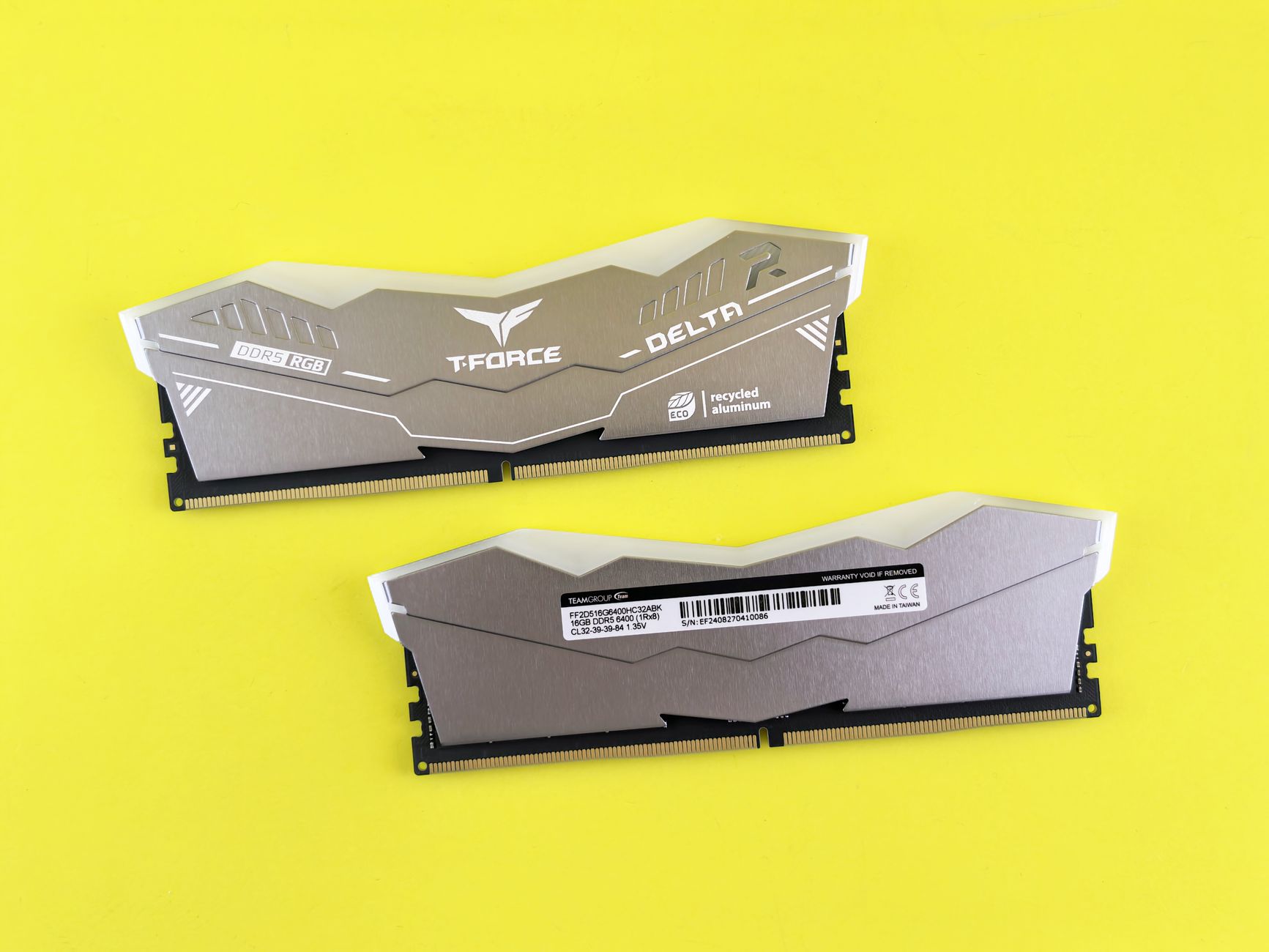
Timing is another critical factor. The memory market is already under pressure from shifts to faster, denser DRAM standards (such as DDR5) and the relentless demand from AI workloads. These contracts could accelerate the transition to next-generation chips—but only if suppliers are willing and able to meet the technical challenges of scaling production.
A Future Built on Scarcity?
The most tangible outcome of these deals is stability, at least in the near term. For power users and enterprise customers, this means fewer surprises when planning hardware upgrades or data center expansions. But stability doesn’t equate to progress.
The real test will be whether suppliers deliver on performance targets—faster memory speeds, better power efficiency, or new form factors. If these contracts lead to stagnation in innovation, the industry may find itself trading one kind of scarcity for another: not just a shortage of chips, but a shortage of breakthroughs.
The billion-dollar pledge is a high-stakes gamble. The question isn’t whether it will succeed in its immediate goal—securing supply—but whether it will inadvertently lock the industry into a future where ‘scarcity’ becomes the default state rather than an exception. For now, the bet is on stability. Whether that stability comes with innovation—or at its expense—remains to be seen.