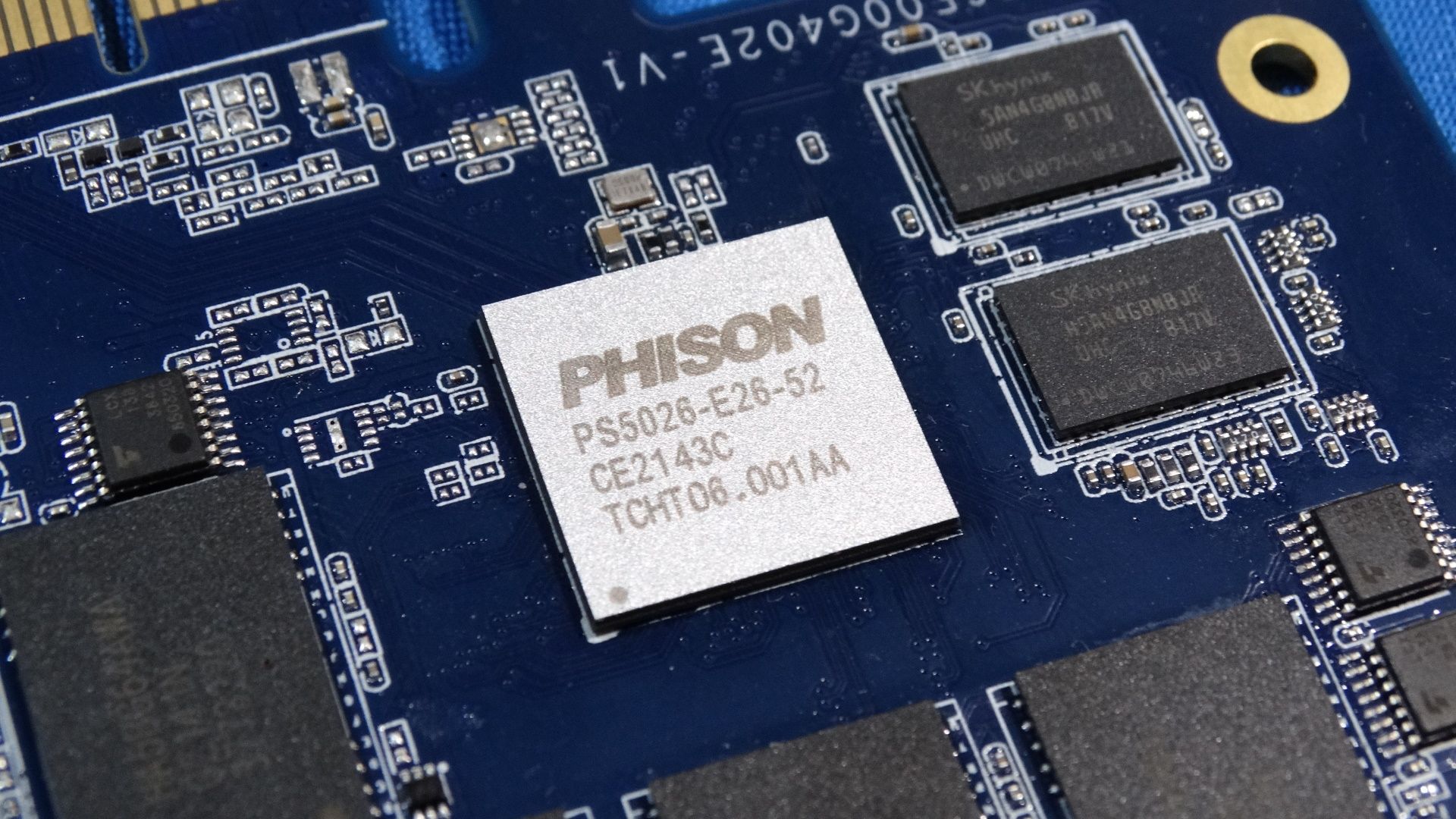
The tech industry’s obsession with AI has triggered a cascading crisis in memory supply, and the fallout is now reaching beyond server farms and data centers. Executives at Phison, a major player in flash memory controllers, have painted a stark picture: the current imbalance between demand and production could force many consumer electronics manufacturers into bankruptcy or force them to abandon product lines entirely by the end of 2026.
The root of the problem is straightforward. AI workloads—particularly those running on Nvidia’s latest GPUs—require massive amounts of memory. The company’s upcoming Vera Rubin GPUs, for instance, are projected to consume over 20TB of SSD storage per unit, a figure that, if scaled across tens of millions of deployments, would swallow roughly 20% of global NAND production capacity in a single year. Meanwhile, DRAM shortages persist, with manufacturers now demanding three years’ worth of prepayments—an unprecedented move in the electronics industry.
Phison’s CEO, Pua Khein-Seng, has indicated that the shortage will persist well beyond 2026, potentially stretching into the next decade. The strain is already visible: mobile phone production is expected to decline by 200–250 million units, while PC and TV manufacturing will see significant cuts. The implications for brands relying on thin margins—particularly those in budget or mid-range segments—could be devastating.
The Shortage Isn’t Just About AI
While AI GPUs are the most visible culprits, the broader issue stems from a structural mismatch between supply and demand. Major memory manufacturers—including Samsung, Micron, SK Hynix, and Kioxia—have been racing to expand capacity, but even their new facilities won’t come online for at least two years. Worse, China’s contribution to global memory production remains limited, accounting for only 3–5% of new capacity in the early stages. Domestically, Chinese demand is so high that any surplus is unlikely to trickle into global markets.
The result? A market dominated by sellers, where memory suppliers hold all the leverage. This isn’t just a temporary blip—internal estimates from Phison suggest the shortage could last until 2030 or beyond. For consumer electronics companies already squeezed by supply chain disruptions, the outlook is grim.
Who Gets Left Behind?
The immediate victims will likely be brands that depend on high-volume, low-margin devices. Mobile manufacturers, in particular, face a double whammy: not only are memory costs skyrocketing, but the very chips needed to build phones are in short supply. PC makers, too, will struggle to keep up with demand for affordable systems, while TV and other consumer electronics could see production cuts as well.
There’s a silver lining, however: sustainability advocates might argue that extended product lifespans—forced by shortages—could reduce e-waste. In reality, though, the shift is less about repair and more about reallocation. Instead of phones and laptops, factories are pivoting toward high-power AI hardware, like Nvidia’s 1,400W B300 GPUs, which demand far more resources than consumer devices ever did.
- Supply Chain Collapse: Memory shortages, driven by AI demand, could force 200–250 million fewer smartphones into production by 2026, with PCs and TVs also seeing steep declines.
- Unprecedented Prepayments: Memory manufacturers are now requiring three years’ worth of upfront payments—a move never before seen in the electronics industry.
- Decade-Long Shortage: Internal estimates suggest the crisis could persist until 2030 or longer, with no immediate relief in sight.
- AI’s Appetite: Nvidia’s Vera Rubin GPUs alone could consume 20% of global NAND production if deployed at scale, exacerbating the shortage.
- Limited Chinese Capacity: New memory production in China will initially account for just 3–5% of global supply, doing little to offset the deficit.
- Budget Tech in Peril: Brands relying on high-volume, low-cost devices—particularly in mobile and entry-level PCs—face the highest risk of bankruptcy or exit.
The message is clear: the AI boom isn’t just reshaping computing—it’s threatening to dismantle entire segments of the consumer electronics industry. And for now, there’s no sign of the storm slowing down.