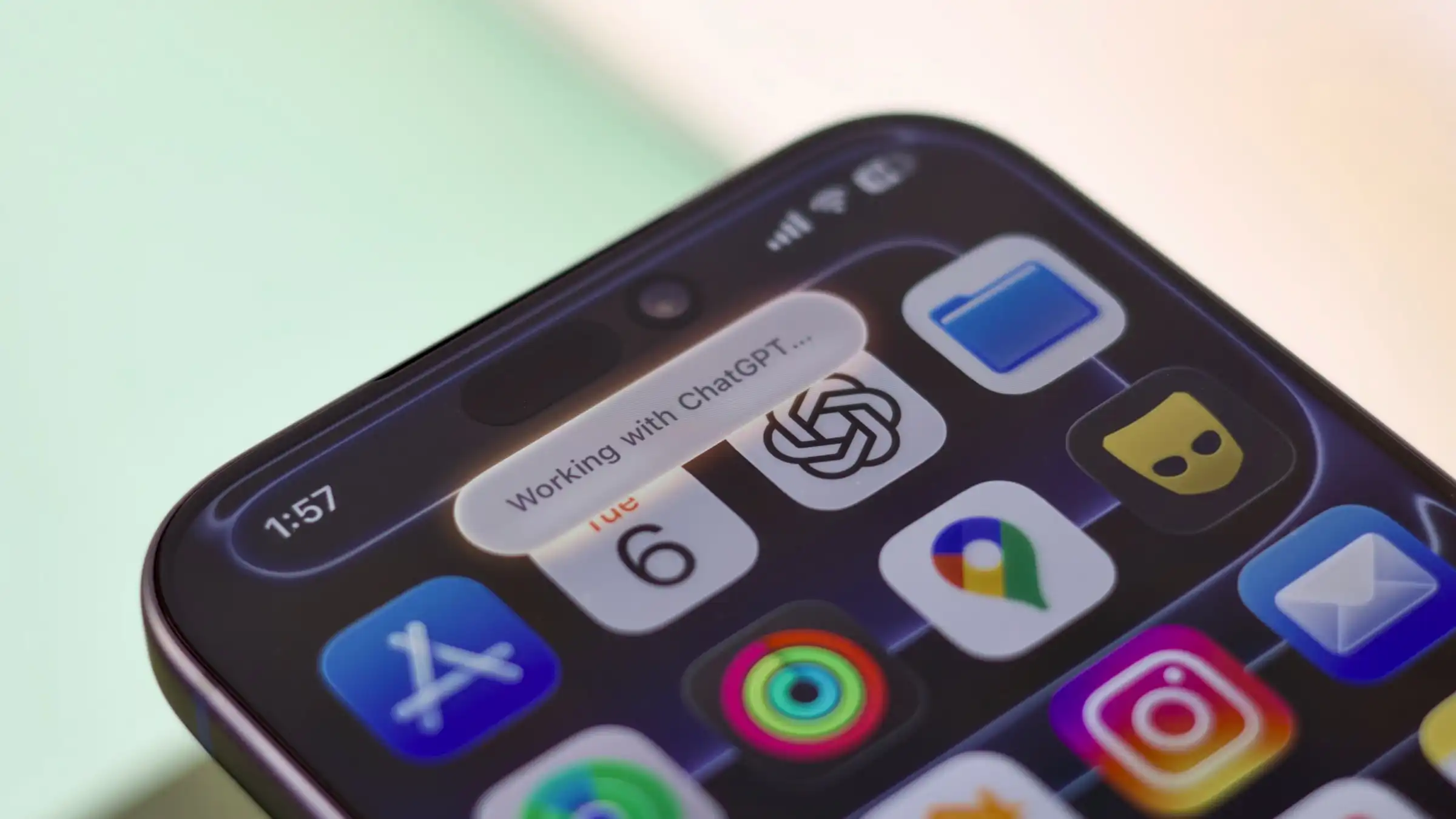
A university professor’s reliance on ChatGPT for academic workflows turned into a nightmare when a single setting adjustment triggered an irreversible data wipe. Marcel Bucher, a plant sciences researcher at the University of Cologne, had spent two years using OpenAI’s premium service to draft grant applications, analyze exam responses, and refine publications. The tool’s speed and contextual memory made it indispensable—until it wasn’t.
In August 2023, Bucher disabled the **data consent** feature, curious whether core functions would still work without sharing usage data. The result was catastrophic: every chat, project folder, and structured draft vanished instantly. No warning appeared. No undo button existed. Support confirmed the loss was permanent.
A $23 Lesson in Unintended Consequences
Bucher’s subscription—€20 monthly (approximately $23)—had given him access to what he believed were safeguards. Instead, he discovered that OpenAI’s privacy policies, when triggered, treated user data as disposable. While partial backups of some conversations survived, the bulk of his intellectual scaffolding—two years of meticulous academic work—was gone.
The incident underscores a growing tension: generative AI tools are being integrated into research and education without matching the reliability standards of professional environments. Universities experiment with embedding these systems into curricula, while individuals use them for everything from writing to teaching. Yet, as Bucher’s experience shows, the underlying architecture lacks fundamental protections.

Why This Matters Beyond One Professor’s Loss
- No recovery mechanism: Even premium subscribers face irreversible deletions when privacy settings are toggled.
- False sense of stability: ChatGPT’s contextual memory and draft retrieval features created dependency, but no redundancy.
- Academic risk outweighs convenience: Tools designed for rapid iteration aren’t built for long-term research continuity.
OpenAI’s approach reflects a broader industry trend: privacy controls prioritize user opt-outs over data persistence. Bucher’s case is a reminder that in professional settings, the cost of a single misclick can dwarf the value of the tool itself.
A Call for Reckoning
The professor’s frustration isn’t just about lost work—it’s about the assumption that paid services include basic safeguards. While OpenAI’s privacy policies may have worked as intended, they failed to account for the real-world consequences of permanent deletion in a research context. The incident raises critical questions: Can AI tools be trusted for high-stakes work without fail-safes? And if not, what responsibility do developers bear when their designs enable irreversible loss?
For now, the answer remains unsettled. But for academics and professionals integrating AI into their workflows, Bucher’s story serves as a stark warning: the convenience of generative tools must be weighed against the irreversible risks they introduce.