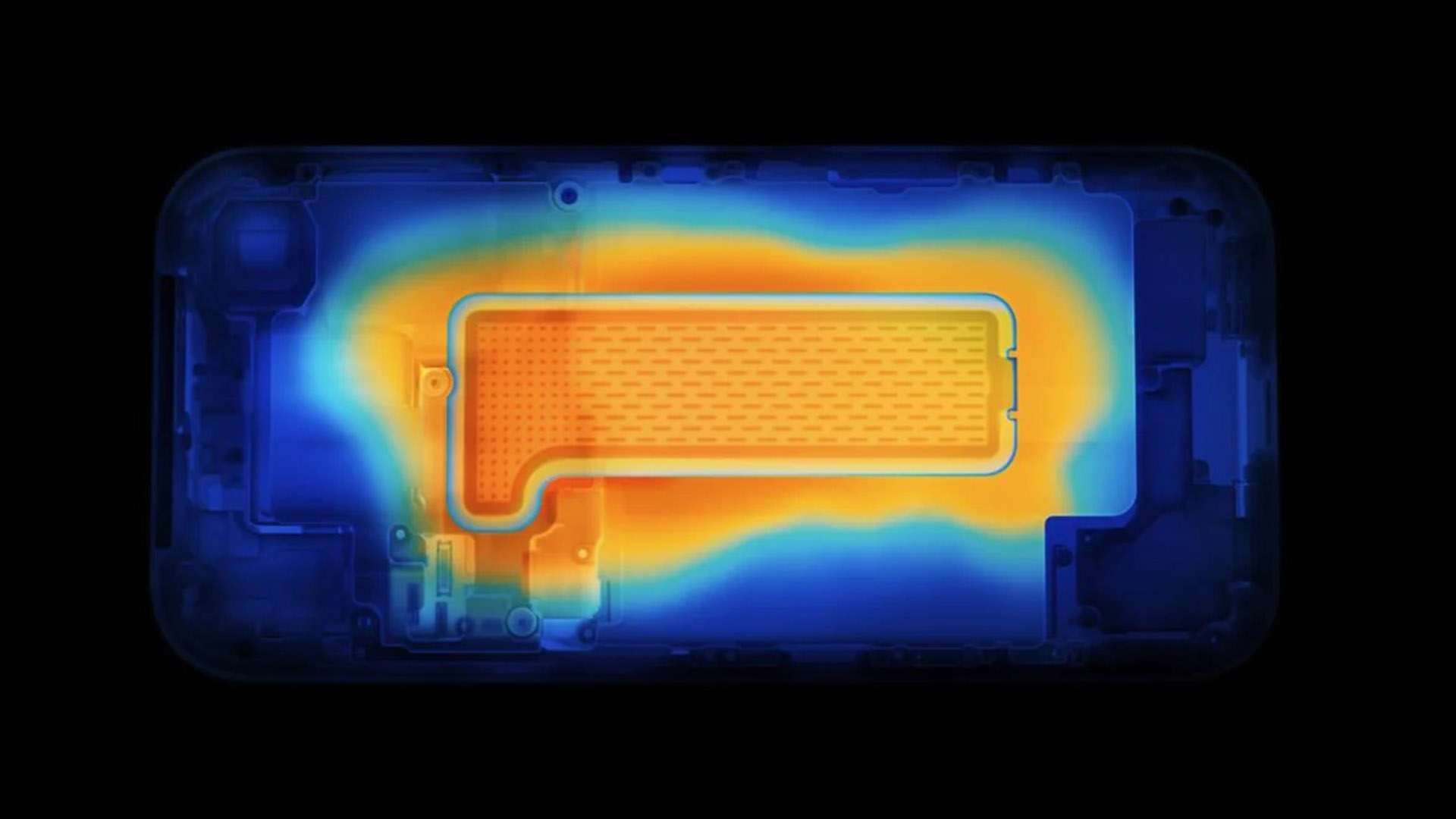
The latest wave of hardware innovation is forcing a reckoning with an age-old problem: how to pack more power into smaller spaces without frying everything in its path. The new generation of processors isn’t just about raw performance—it’s about doing more with less heat, and the numbers tell a story that’s equal parts promising and precarious.
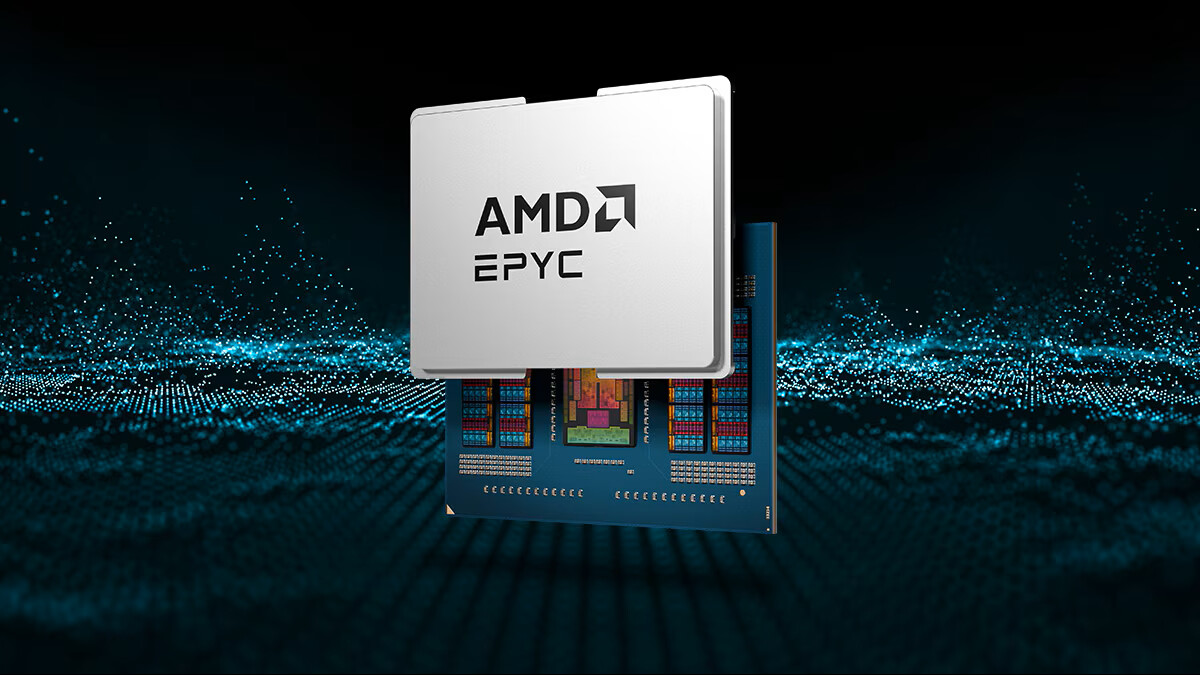
At the heart of this shift is a processor designed to deliver significant leaps in single-threaded performance while tightening its grip on power consumption. The clock speeds are higher, the cores are more efficient, but the thermal envelope has also expanded. This isn’t just about squeezing more out of silicon; it’s about redefining what ‘efficient’ means when the heat output starts to rival a small bonfire.
Historically, performance gains came with a cost: more watts, more heat, and the need for ever-larger cooling solutions. Previous generations could push hard but only if they had the luxury of robust air or liquid cooling setups. Now, the narrative is changing. The new processor isn’t just faster—it’s smarter about how it dissipates that extra heat, but the tradeoff is a design that feels almost paradoxical: more power, but with tighter constraints on how that power is managed.
Performance vs. Power: A Delicate Balance
The processor in question isn’t just another incremental update. It’s built on a revised architecture that prioritizes performance-per-watt, a metric that has become increasingly critical as data centers and portable devices demand more from less. The base clock sits at 3.5 GHz, but the boost can surge to 4.8 GHz—numbers that sound impressive until you consider what happens when all those cores are pushed to their limits.
- Base Clock: 3.5 GHz
- Boost Clock: 4.8 GHz (up to 10 cores)
- TDP: 65 W (configurable up to 125 W)
- Cache: 16 MB L2 + 32 MB L3
The TDP rating is a key indicator of the challenge ahead. At its default setting, the processor is rated for 65 watts, but it can be pushed to 125 watts if needed. That flexibility is both a strength and a weakness. On one hand, it allows overclockers and system builders to wring out every last bit of performance when required. On the other, it forces a conversation about thermal management that wasn’t as urgent in previous generations.
The Thermal Tightrope
Heat has always been the silent killer of performance, but with this processor, the stakes feel higher. The default TDP is already at the upper end of what many air-cooled systems can handle comfortably. Pushing it to 125 watts isn’t just about choosing a bigger cooler—it’s about rethinking how heat is generated and dissipated in the first place.

Previous generations could rely on larger heatsinks, more aggressive fan curves, or even liquid cooling to keep temperatures in check. This processor, however, is demanding a different approach. The architecture includes features like dynamic voltage and frequency scaling (DVFS) that adjust power delivery in real time, but even with those safeguards, the heat output can spike unpredictably under load.
For creators—whether they’re rendering 3D models, compiling code, or crunching data—the implications are clear. More performance means more productivity, but only if the system can stay cool enough to sustain that workload without throttling. The new processor is a double-edged sword: it delivers the speed needed for demanding tasks, but it also forces users to confront the limits of their cooling solutions.
A Glimpse into the Future
Looking ahead, the roadmap for this processor isn’t just about incremental improvements. It’s about a fundamental rethinking of how power is managed at both the hardware and software levels. The next steps will likely involve more advanced cooling technologies, better thermal interfaces, and possibly even new materials that can handle higher heat densities.
But there’s also a question mark over availability. While the processor itself is a marvel of engineering, its real-world impact will depend on how quickly manufacturers can scale production to meet demand. Supply chain bottlenecks have already delayed previous generations, and with this one, the pressure is even greater. Creators who need the performance today might find themselves waiting longer than they’d like.
Who Benefits Most?
The processor’s design is a clear win for those who can afford to invest in high-end cooling solutions—whether that’s custom water blocks, premium air coolers, or even liquid-to-air setups. For the average user, however, the story is less rosy. The higher power draw and thermal constraints mean that not every system will be able to unlock the full potential of this hardware without significant upgrades.
In the end, this processor is a testament to the challenges of modern computing. It’s pushing boundaries in performance-per-watt, but it’s also exposing the fragility of our current cooling paradigms. The question isn’t just whether this technology can deliver—it’s whether we’re ready to build systems that can handle what it promises.