The current memory crunch is more than just a pricing anomaly—it’s a symptom of deeper structural shifts in the tech industry. What was once a steady market for DRAM has transformed into a high-stakes battleground, where data center expansion, AI training workloads, and consumer demand collide against a backdrop of limited supply. The result? Prices that show no signs of retreating soon.
At the heart of this tension is an imbalance between what the market demands and what manufacturers can deliver. Unlike previous shortages tied to discrete events like semiconductor fab shutdowns or geopolitical disruptions, today’s crisis stems from a sustained surge in data-intensive applications. AI models, for instance, require massive amounts of memory to train and operate efficiently, pushing DRAM production lines to their absolute limits.
Industry insiders argue that the problem isn’t one of greed but of capacity. Companies like Micron are operating at full tilt, yet even their expanded production lines face delays due to the complexity of ramping up advanced node processes. These timelines—often stretched by quarters—mean the shortage is likely to persist well into 2026, if not longer, unless AI adoption begins to stabilize or plateau.

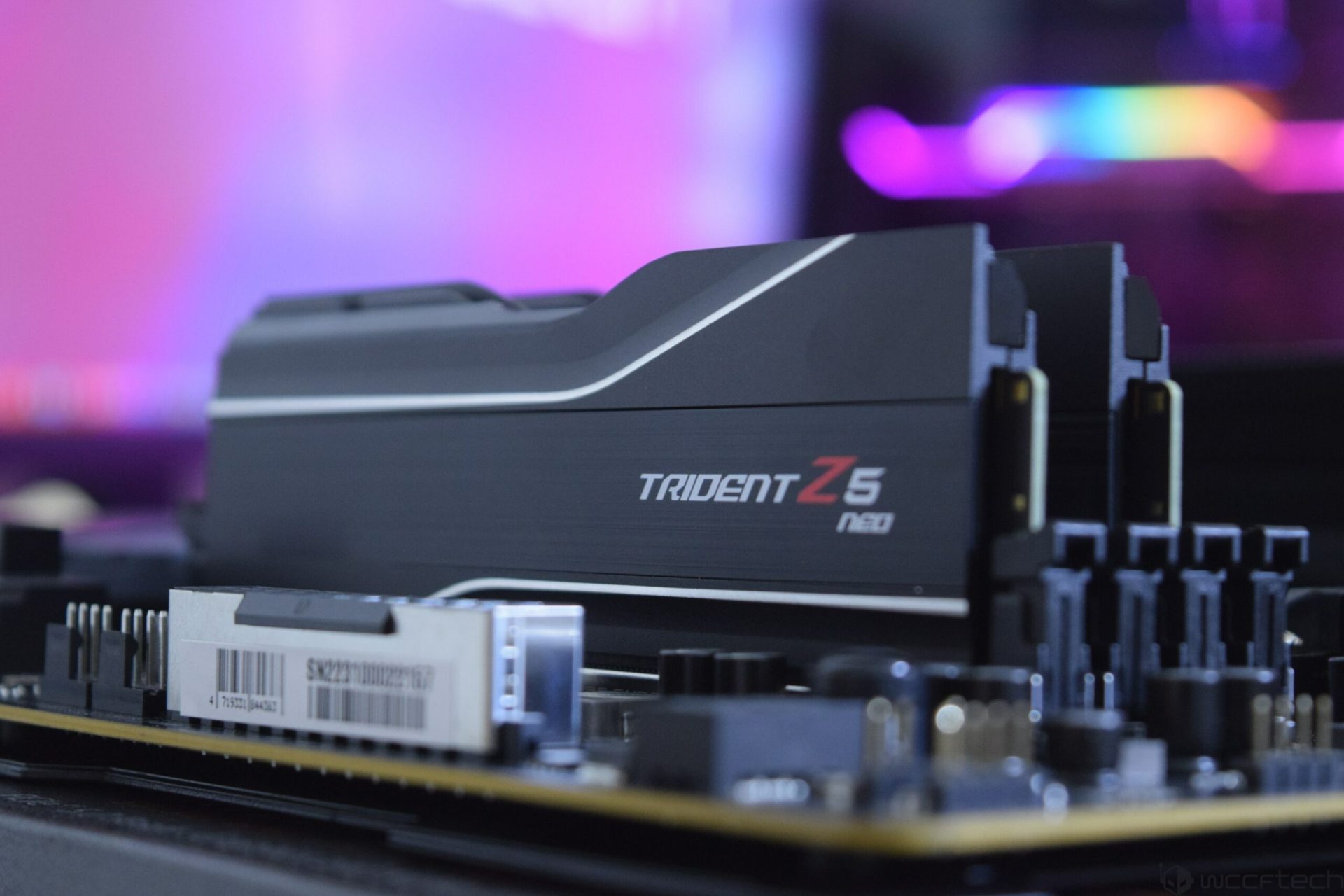
For consumers, particularly PC gamers and system builders, the impact is immediate: memory modules that once cost a fraction of today’s prices now command premiums. A 128GB DDR5 kit, for example, reflects both the raw materials needed for high-density chips and the market’s willingness to pay for performance in an era where every gigabyte counts.
Historically, memory markets have been volatile, but this cycle feels different. Past shortages were often exacerbated by collusion among manufacturers, a practice that left lingering distrust in the industry. While no such allegations are currently surfacing, the sheer scale of today’s demand—fueled by both enterprise and AI sectors—has created a perfect storm where supply simply cannot keep pace.
Analysts project that conventional DRAM prices could climb by double-digit percentages each quarter through 2026, a trend already visible in benchmarking data. Samsung, one of the largest memory producers, has openly acknowledged that price volatility is now inevitable across device segments, from smartphones to high-performance servers.
The question remains: Is this the new normal? For now, it appears so. The industry’s focus on AI infrastructure shows no signs of waning, and without a significant slowdown in demand or a breakthrough in memory production efficiency, consumers will continue to bear the cost. Whether that translates into better AI experiences—or just higher price tags—remains an open question.