A 27-inch screen flickers to life, its deep blacks stretching from edge to edge while fast-paced action blurs into motion. This isn’t a high-end OLED panel—it’s the HyperX Omen OLED 27Q, a monitor that brings premium display tech to a more accessible price point, but with trade-offs that developers need to weigh carefully.
At its core, the Omen OLED 27Q is built around a 144Hz refresh rate, 1ms response time, and a resolution of 2560x1440. It’s not the first to combine these specs, but it stands out by using OLED technology—a material typically reserved for higher-priced panels—while keeping the price below $800. The screen is QHD, avoiding the sharpness of 4K but still delivering crisp visuals that gamers and content creators can leverage without breaking the bank.
OLED’s main advantage here isn’t just its contrast; it’s how it handles motion. In fast-paced games, ghosting—a common issue with traditional LCD panels—is barely noticeable. This is a significant shift for mid-range monitors, where IPS panels often struggle to keep up with high frame rates without visible smearing.
But the technology isn’t without its caveats. OLED panels are known for potential burn-in over time, especially in static HUD elements or logos that remain on screen for long periods. While HyperX has included anti-burn-in features—like a pixel refresh algorithm and automatic brightness adjustment—the long-term effects remain unproven. Developers testing this monitor will need to account for these risks, particularly in applications where screen content is static or heavily branded.
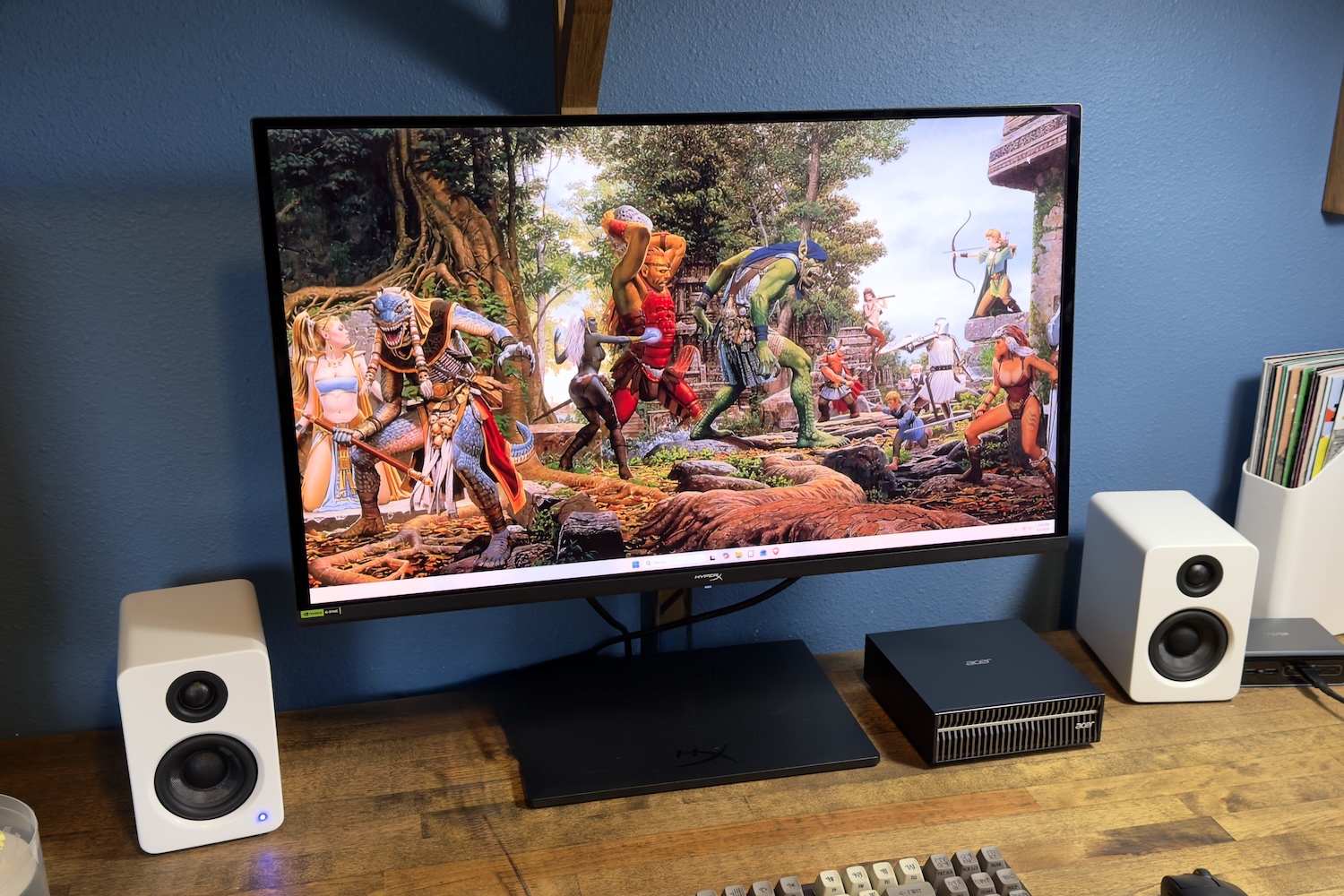
Another consideration is compatibility. The Omen OLED 27Q supports G-Sync and FreeSync Premium, but its driver support isn’t as mature as some of its LCD counterparts. Early reports suggest that while it works seamlessly with modern GPUs, older hardware may require tweaking to avoid artifacts or stuttering. This could pose a challenge for enterprises or studios with mixed setups, where not all workstations are equipped with the latest graphics cards.
Looking ahead, the bigger question is whether this monitor signals a broader trend in OLED adoption beyond high-end displays. If manufacturers can stabilize production costs and mitigate burn-in risks, we could see more mid-range OLED panels hitting the market. For now, though, the Omen 27Q remains a niche player—one that offers premium features but still operates on the fringes of mainstream gaming setups.
The final verdict isn’t just about performance; it’s about practicality. Can developers justify the cost and potential risks for a monitor that doesn’t push the boundaries of resolution or brightness? For those in competitive gaming environments where motion clarity is critical, the answer may be yes. For others, the trade-offs might not be worth it—at least not yet.