Small businesses are facing a sudden and significant cost increase for consumer-grade SSDs, with some models now priced at $400 for just 1TB of storage. This sharp rise in prices has left many wondering how it will impact their data storage needs and future-proofing strategies.
The surge in SSD prices is not just a temporary blip; it reflects broader trends in the storage market that small businesses must navigate carefully. Understanding these changes can help them make informed decisions about investing in storage solutions that balance performance, capacity, and cost efficiency without overcommitting to outdated hardware.
Understanding the Price Surge
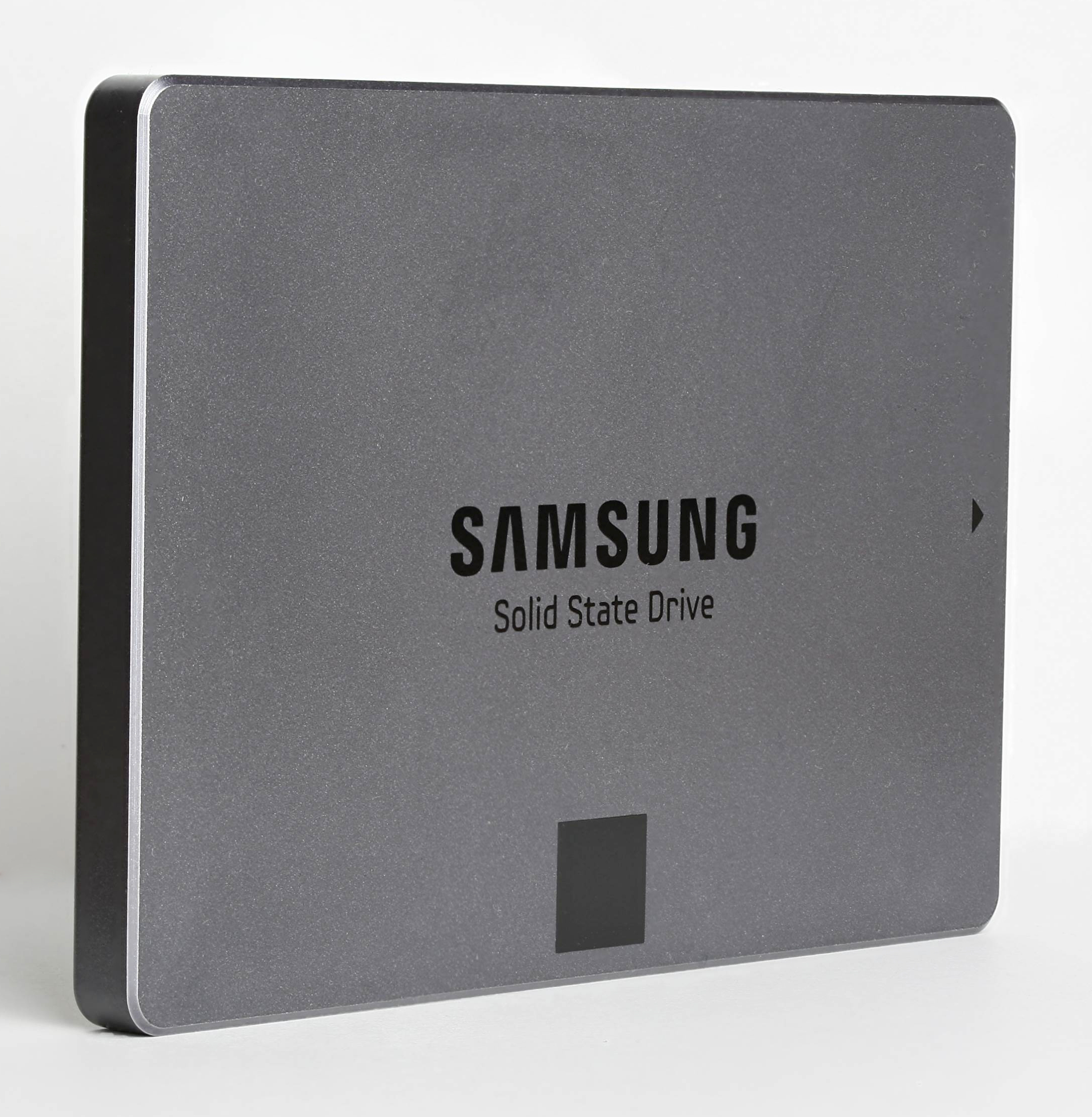
The price hike is particularly notable for high-performance SSDs like the Samsung SN850X series, which offers PCIe 4.0 speeds with sequential read/write speeds of up to 7,400 MB/s and 6,900 MB/s, respectively. For small businesses relying on such drives for data-intensive tasks—such as video editing, database management, or large-scale file processing—the cost implications are substantial.
- 1TB Samsung SN850X: $400
- 2TB Samsung SN850X: $699
These prices represent a doubling of costs compared to previous generations, which were already considered premium. While the performance gains justify some of this increase—PCIe 4.0 drives are significantly faster than their PCIe 3.0 counterparts—the sheer magnitude of the price jump is causing concern about long-term affordability.
Performance vs. Practicality: Balancing Needs
The SN850X series stands out for its speed, but small businesses must weigh whether these performance benefits translate into real-world productivity gains that justify the cost. For most SMBs, the difference between PCIe 3.0 and 4.0 may not be immediately noticeable in daily operations unless they are working with extremely large datasets or running specialized software.
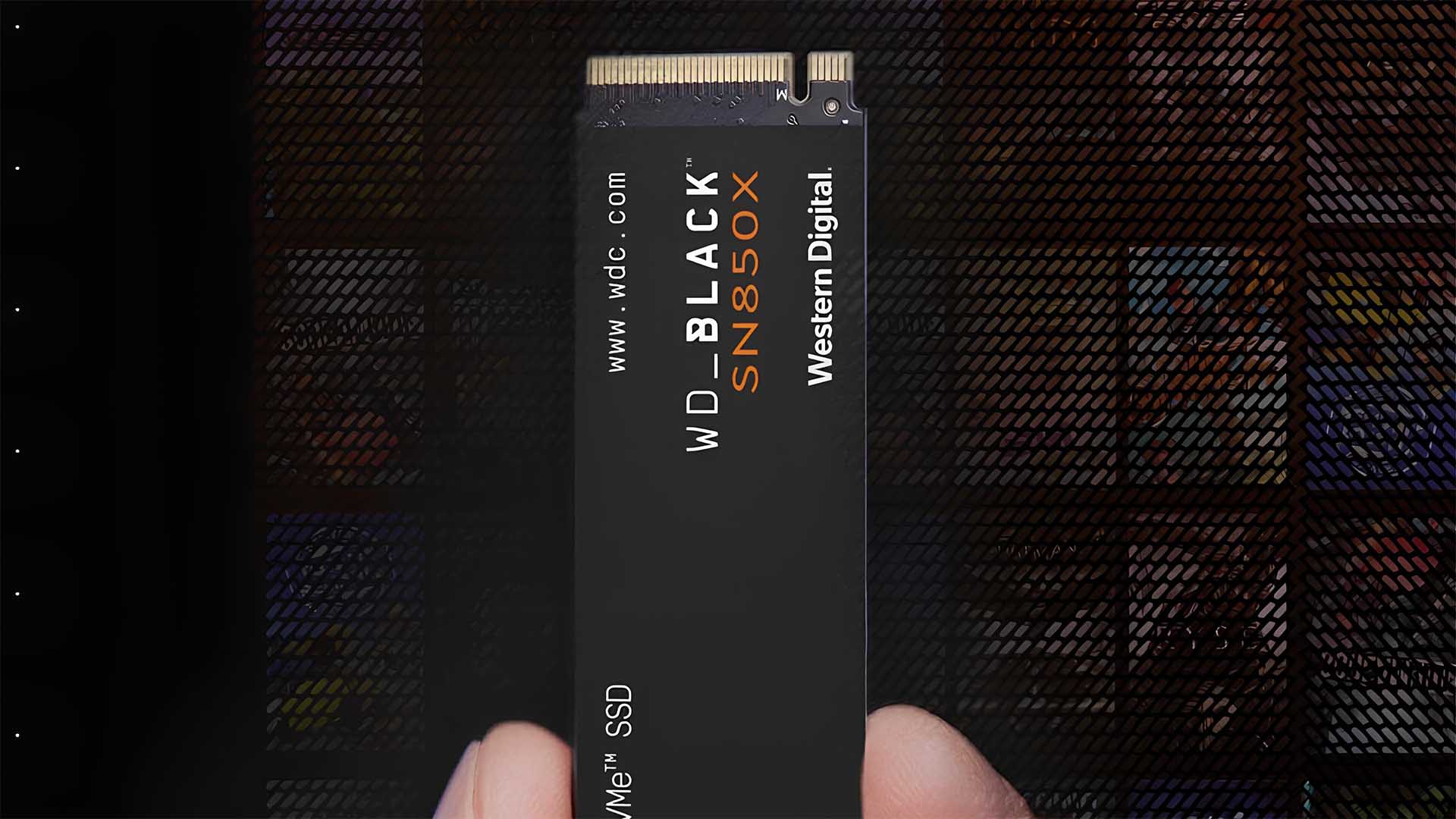
For example, a business handling high-resolution video editing might see faster render times with a PCIe 4.0 drive, but the return on investment must be carefully evaluated against the higher upfront cost. Meanwhile, businesses that do not require such high speeds may find themselves overpaying for features they will never use.
Future-Proofing: A Strategic Approach
Given the current market conditions, small businesses should adopt a more strategic approach to storage investments. One key consideration is whether to invest in higher-capacity drives now or wait for prices to stabilize. For instance, a 2TB drive at $699 offers better long-term value than two 1TB drives at $400 each, but the upfront cost may be prohibitive for some.
Another strategy is to diversify storage solutions. Businesses can pair high-performance SSDs with more cost-effective options like SATA-based SSDs or even hybrid solutions that combine fast NVMe storage with traditional HDDs for bulk data. This approach allows them to balance performance needs with budget constraints while avoiding over-reliance on expensive PCIe 4.0 drives.
Market Impact and Long-Term Outlook
The current price surge is likely to have ripple effects across the storage market, influencing how small businesses plan their IT budgets. Those that can afford to invest in higher-capacity, high-performance SSDs now may benefit from better long-term scalability. However, for smaller operations with tighter budgets, this could mean delaying upgrades or exploring alternative storage solutions.
Looking ahead, the market will need to stabilize if small businesses are to adopt these technologies without significant financial strain. Until then, careful planning and a willingness to adapt will be crucial for navigating the changing landscape of data storage.