The journey of The Last of Us online multiplayer mode reads like a cautionary tale for game development today. It wasn’t just another abandoned feature—it was a near-finished product that, according to insider accounts, reached roughly 80% completion before being scrapped. That level of advancement suggests a project with depth, ambition, and a clear vision, yet it vanished without explanation or release.
The game in question is one of the most critically acclaimed titles in recent memory, known for its narrative-driven single-player experience. A multiplayer mode would have expanded its appeal, offering something entirely different from what competitors typically deliver. Instead, what could have been a significant addition to the franchise’s legacy now exists only as speculation and ‘what if’ scenarios.
For creators and developers, this story serves as a stark reminder of how quickly priorities can shift in an industry driven by market demands rather than creative vision. The operational costs of maintaining such a project—server infrastructure, balancing, ongoing support—are substantial, yet the decision to cut it suggests that even near-completion doesn’t guarantee survival.
What Was Almost Built
The canceled mode was designed to integrate seamlessly with the existing game’s world and mechanics. It would have introduced new gameplay elements while retaining the tone and atmosphere fans loved in the single-player experience. The fact that it reached 80% completion implies a robust foundation—networking, matchmaking, progression systems—was already in place.
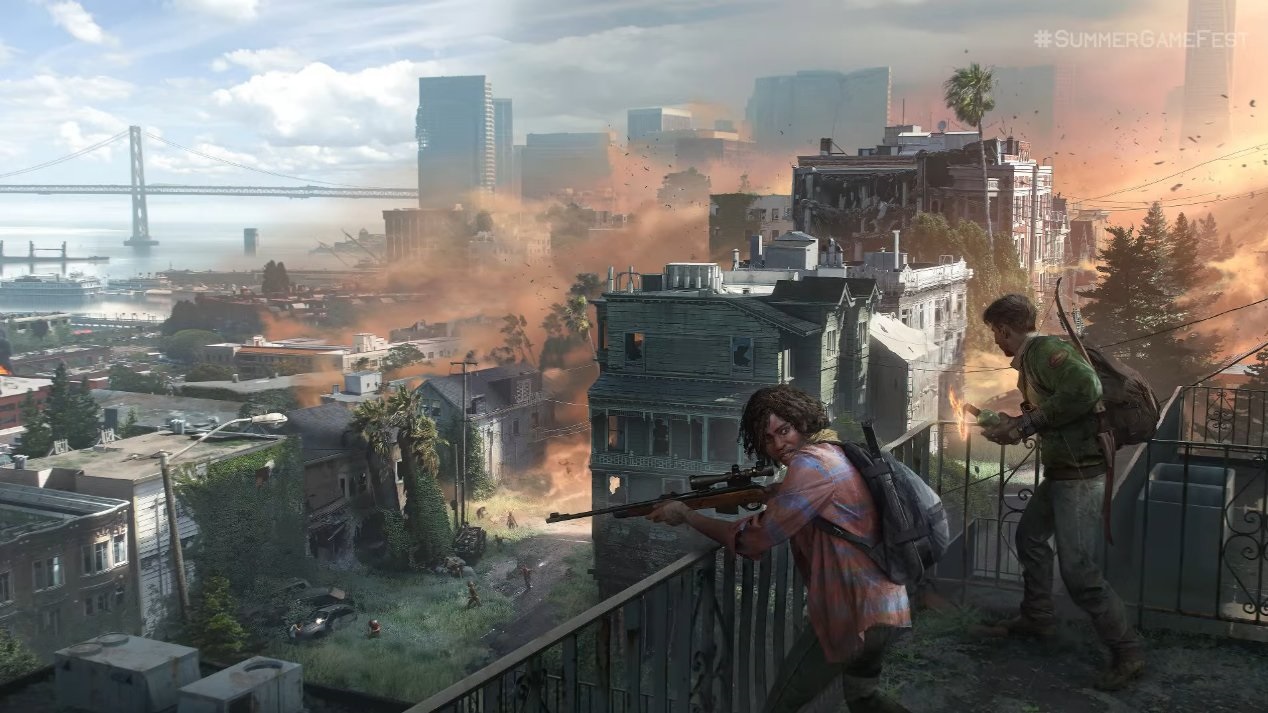
- Key Technical Specs (Estimated):
- Multiplayer support for up to 16 players per session
- Persistent world elements with dynamic interactions
- Balanced progression and skill trees unique to the multiplayer mode
- Cross-platform compatibility (PC and consoles)
The technical challenges alone—ensuring stability, performance, and fairness in a competitive multiplayer environment—would have been no small feat. Yet, the project’s depth suggests it was more than just a shallow layer on top of an existing game; it had its own identity.
Industry Reactions: A Pattern of Cuts
Reaction from the community, while understandably disappointed, has been more reflective than outraged. Themes of ‘this happens too often’ and ‘where does this leave developers?’ have emerged in discussions, though no direct quotes or public statements are available. The pattern isn’t unique—similar projects, especially those with high development costs and uncertain returns, tend to disappear without fanfare.
For creators working on similar ventures, the takeaway is clear: ambition is valuable, but sustainability is critical. A project that reaches 80% completion is a testament to dedication, yet it also highlights the risks of betting on features that may not align with current market trends or publisher expectations.
A Lesson in Development
Where does this leave The Last of Us online mode today? Nowhere. It’s a ghost project, one that could have redefined multiplayer experiences for narrative-driven games if given the chance. For buyers and users, the lesson is to appreciate what exists while acknowledging the potential that often goes unrealized.
The industry moves fast, but stories like this remind us that progress isn’t always linear. Sometimes, it’s a series of near-misses, canceled ideas, and unanswered questions—all part of the cost of innovation.