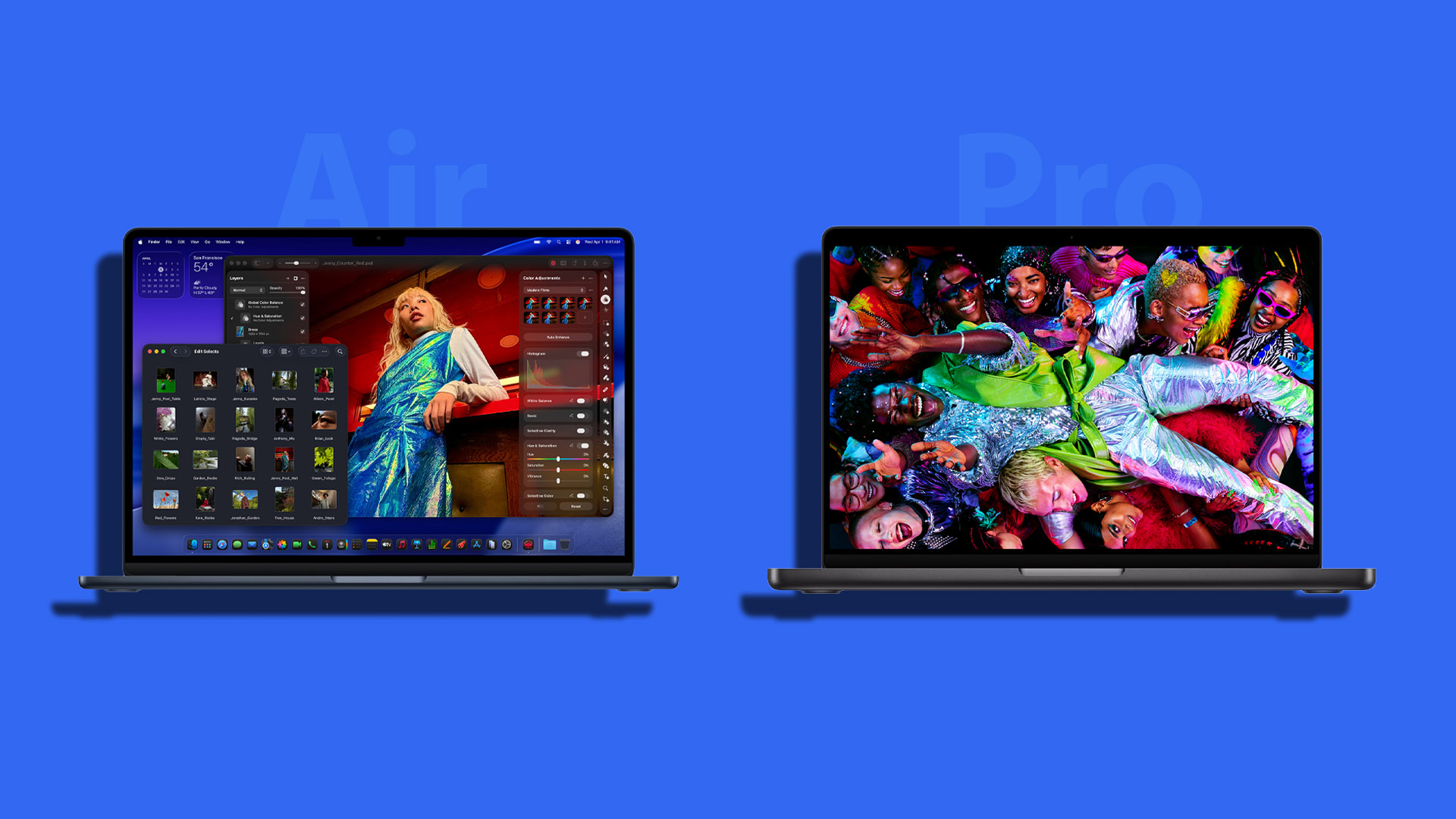
MacBook users are seeing a familiar face with a few new details. The recently refreshed M2 MacBook Air and Pro models have arrived with minor tweaks under the hood, none of them dramatic but all of them worth noting—especially for those weighing whether to stick with their current machine or jump on the latest iteration.
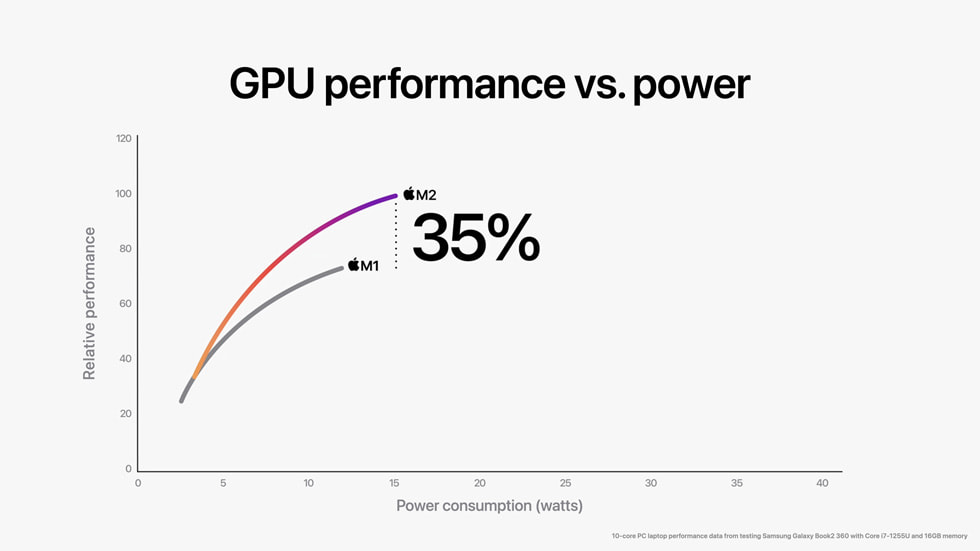
The most noticeable change is in how these machines handle heat. The new M2 MacBooks run slightly cooler than their predecessors, a subtle improvement that could extend battery life and reduce fan noise during prolonged workloads. At the same time, performance per watt has improved, though the gains are modest enough to leave room for skepticism about whether they justify an immediate upgrade.
For small businesses, the decision hinges less on raw power and more on efficiency. The M2 Air, for example, maintains its 10-core CPU and 8-core GPU configuration but with a smarter thermal design that may translate to quieter operation in shared spaces. Meanwhile, the Pro version adds a 14-core CPU option, though the real question is whether the extra cores deliver measurable value without sacrificing battery life.
Context matters here. The previous M1 models were already efficient enough for most small-business tasks—spreadsheets, presentations, light video editing—but the M2 series pushes that efficiency further. The difference isn’t revolutionary, but it could be the nudge needed to make an older machine feel outdated.
What’s confirmed: both models use the same 10-core CPU and GPU as last year’s refresh, with only minor thermal adjustments. What’s still unclear is whether these tweaks will translate to real-world improvements for businesses running mixed workloads or if they’re just incremental steps in Apple’s long-term efficiency roadmap.
The most important takeaway remains unchanged: unless you need the extra CPU cores or a quieter fan, there’s no urgent reason to upgrade. But for those on the fence, the M2 Air and Pro offer just enough improvement to make the $600 premium feel less like a splurge than it once did.