TSMC’s decision to raise prices by 15% for its cutting-edge 3 nm process node has sent ripples through the semiconductor industry. The move comes at a time when chip demand is softening, particularly in consumer markets, putting pressure on foundry margins just as Apple prepares to launch its next-generation MacBook Neo lineup. While TSMC’s CEO has reportedly encouraged employees to invest in company shares, the financial strain on both foundries and their key clients—like Apple—is becoming harder to ignore.
The 3 nm node represents a major leap in manufacturing precision, with TSMC touting features like 56-finFET transistors, a 1.2× improvement in power efficiency over its 5 nm process, and a 7% performance boost at the same power draw. Yet, the price hike—effective immediately—could offset those gains if customers are unwilling or unable to absorb higher costs. That’s the upside here: TSMC is pushing the boundaries of what’s possible in chipmaking. The catch? The market may not be ready to pay for it yet.
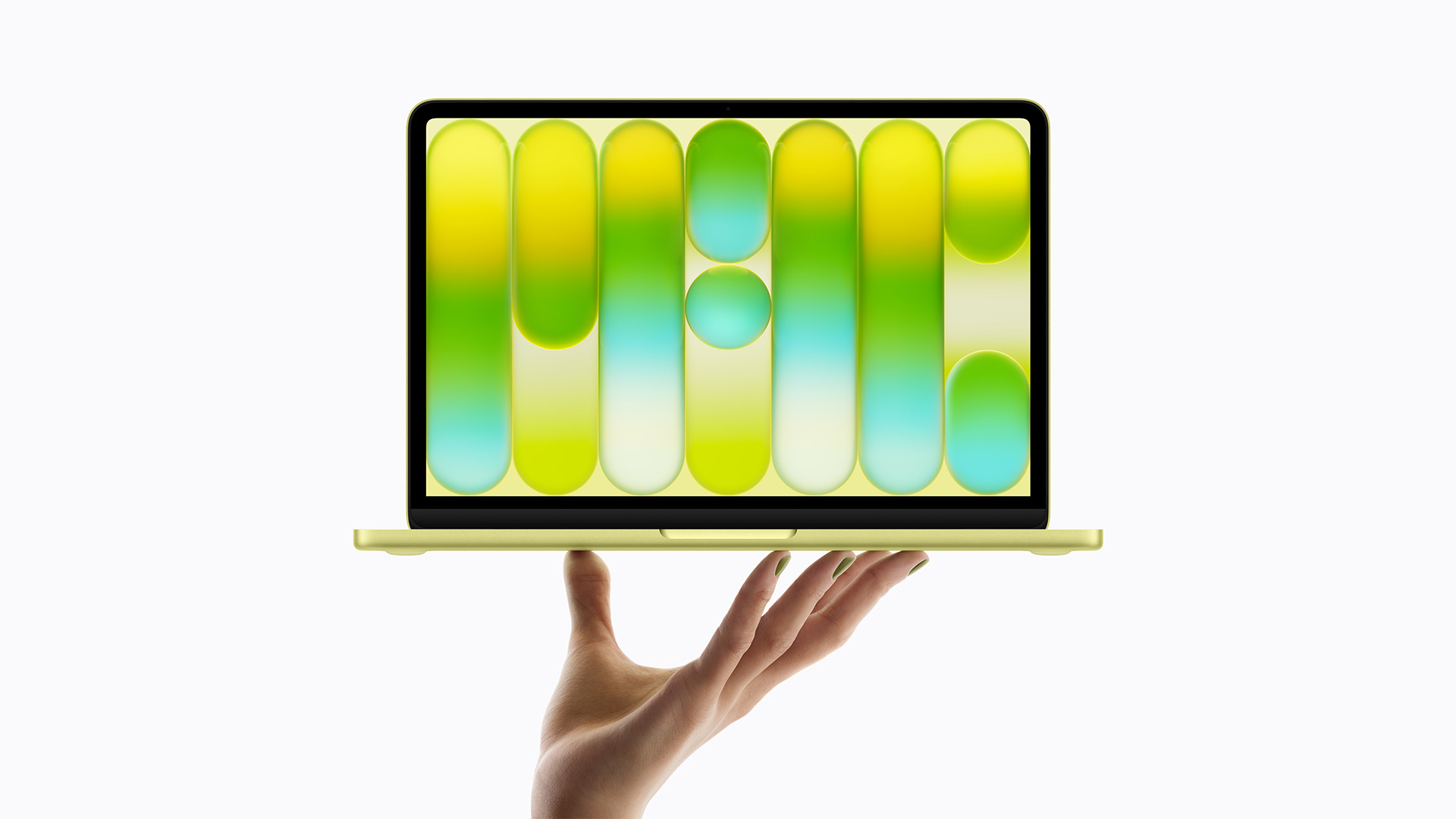
Apple, a long-time anchor client for TSMC, is navigating its own challenges with the MacBook Neo. Rumors suggest the new models will feature improved performance and longer battery life compared to last year’s refresh, but leaks indicate that key components—like a potential 12-core CPU—may not arrive in time for the expected June launch window. If those delays materialize, Apple risks ceding ground to competitors like Dell and HP, which have been aggressively pricing mid-range laptops below $1,000.
For enterprise buyers, the question isn’t just about whether TSMC’s 3 nm node is worth the premium—it’s about timing. Will the performance gains justify the cost when global IT spending remains volatile? And can Apple maintain its premium positioning if its own products struggle to deliver on promises of efficiency and innovation? The answers may determine who comes out ahead in this tightening cycle.
What’s confirmed: TSMC’s 3 nm node is here, with measurable improvements in power and performance. What’s still unclear: whether the market can sustain the pricing, or if Apple’s MacBook Neo will finally break free from its predecessor’s shadow.