Thunderbolt 5 has long been hailed as a breakthrough in connectivity, promising to unify data transfer, video output, and power delivery into a single cable. However, the reality for most users has been more complicated. The SD5010T5 EQ dock from Kensington aims to simplify that equation by packaging Thunderbolt 5’s advanced capabilities into an accessible form factor—but with caveats that reflect the technology’s current limitations.
Before this dock, Thunderbolt 5’s potential was largely theoretical for everyday users. While specifications like 80 Gbps bandwidth and support for multiple high-refresh-rate displays were announced, adoption required not just compatible hardware but also a supporting ecosystem of peripherals and software. The SD5010T5 EQ attempts to bridge that gap by offering those features in a single device, though its effectiveness depends on the user’s existing setup.
The dock’s most striking feature is its ability to handle up to 80 Gbps of bi-directional bandwidth, which is designed for tasks like transferring large video files or rendering complex graphics. This is further boosted by Bandwidth Boost technology, which can push throughput to 120 Gbps when necessary. However, the dock’s real-world utility varies depending on whether it’s connected to a Windows laptop or a MacBook with different chipsets.
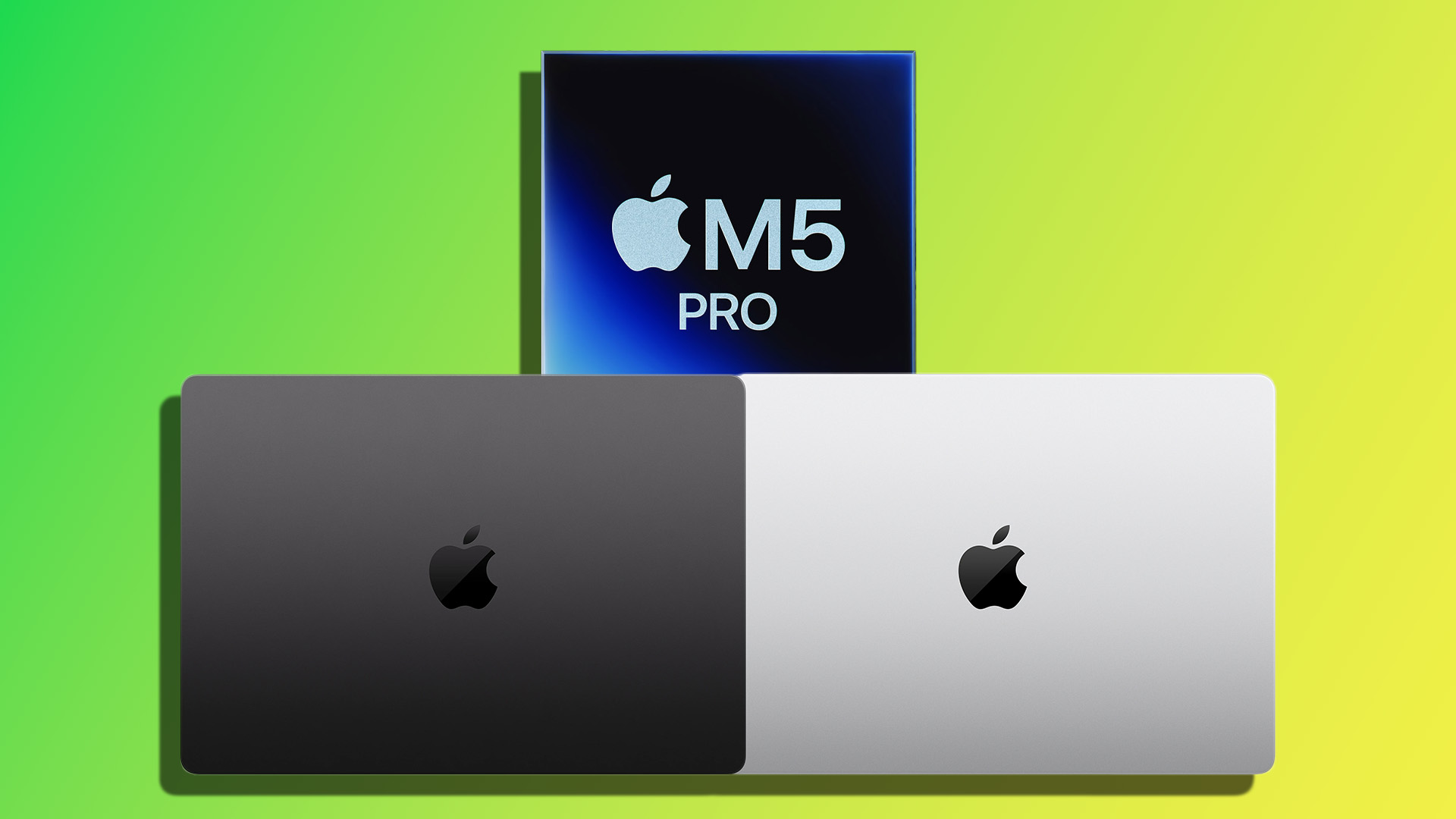
On Windows systems, the SD5010T5 EQ supports three 4K displays at 144 Hz using two HDMI ports and one Thunderbolt 5 port. For MacBooks, the story changes based on the processor: base M4 or M5 chips limit output to two 4K displays at 60 Hz over HDMI, while M5 Pro or Max chips unlock support for three external displays. This discrepancy highlights a persistent challenge in Thunderbolt 5 adoption—hardware compatibility remains a key factor.
Power delivery is another area where the dock strikes a balance between ambition and practicality. It supports up to 140 W of charging, which can fully power modern laptops when connected via a single Thunderbolt 5 cable. However, this also means that users must manage their cables carefully, as the same connection carries data, video, and power simultaneously. When undocked, KonstantCharge ensures peripherals remain charged, though real-world testing will reveal how smoothly this transition works in fast-paced environments.
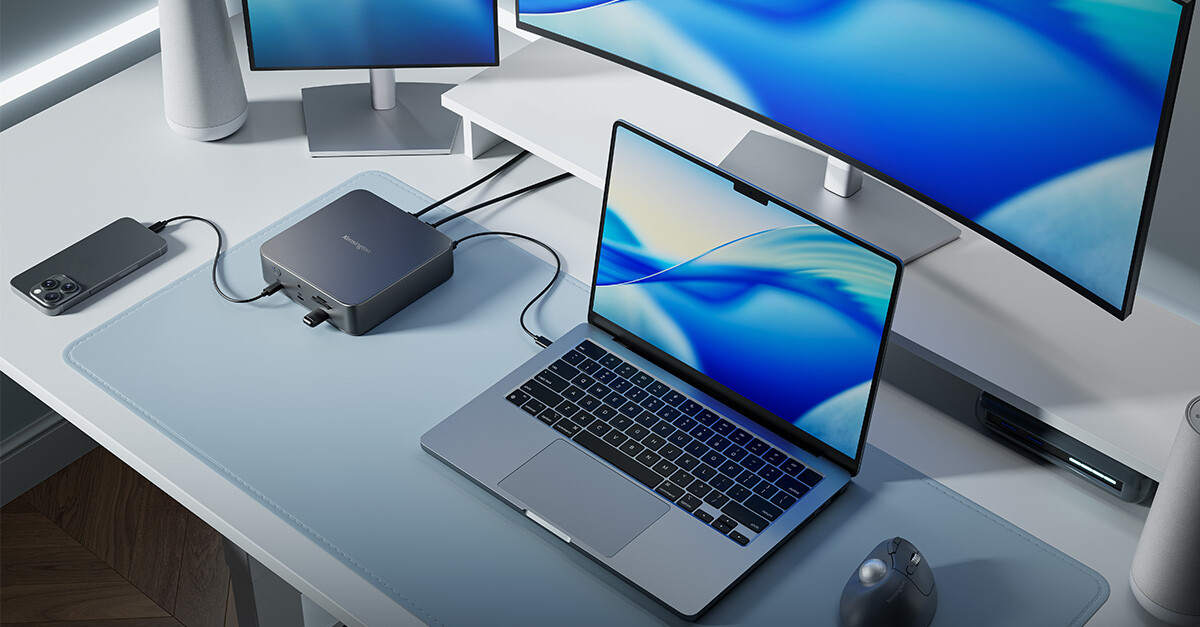
Beyond its core specifications, the SD5010T5 EQ includes a comprehensive 13-in-1 connectivity suite. This features two Thunderbolt 5 ports, two HDMI outputs, USB-A and USB-C ports at varying speeds, an audio jack, dual SD card readers (SD and Micro SD 4.0), and a 2.5 Gbps Ethernet port. The built-in card readers are particularly useful for video editors, allowing them to transfer files directly from SD cards without bottlenecking their workflows.
However, the dock’s universal compatibility—supporting Thunderbolt 5, Thunderbolt 4, USB4, or USB-C devices running Windows 11 (23H2+) or macOS (14.5+)—means that some users may not see the full benefits if their hardware isn’t Thunderbolt 5-ready. This is a common theme with next-generation technology: the promise of faster speeds and more efficient workflows often outpaces the availability of supporting devices.
For those who can fully leverage its capabilities, the SD5010T5 EQ offers a seamless experience that can significantly enhance productivity. A user editing high-resolution footage could drag assets directly from an SD card to their laptop while driving three 4K monitors at 144 Hz—all through one cable. But for others with older hardware or less demanding tasks, the dock’s advanced features may remain underutilized, leaving them to question whether they’ve overpaid for future-proofing.
The SD5010T5 EQ isn’t just about speed; it represents a shift in how Thunderbolt 5 can reshape professional setups. Whether this reshaping will be accessible enough for the average user remains an open question, but one thing is clear: the technology is here, and its potential is only beginning to be realized.