What made the experiment so revealing wasn’t just the speed of the kills—though the average wizard lasted a mere 18 seconds—but the sheer mismatch in how each system handles combat fundamentals. The Dungeon Crawl Classics wizard, for instance, survived an axe swing thanks to that system’s unarmed combat rules, only to be vaporized by a Vagabond spell that ignored armor class entirely. Meanwhile, the Pathfinder 2e caster, with 14 hit points, was a statistical outlier in a field where 6–8 HP was the norm.
The Dungeons & Dragons wizard, played by a veteran of the system, fared slightly better—briefly—before a Dungeon Crawl Classics player’s lucky critical hit turned a near-miss into an instant death. The Vagabond caster, meanwhile, had no traditional hit points but relied on a resource pool that drained faster than a goblin’s health bar.
How Did Each System’s Rules Stack Up?
The Pathfinder 2e wizard was the only one with a meaningful HP pool, but its spellcasting was so restrictive that it couldn’t even land a single Magic Missile before being flanked. Dungeons & Dragons allowed for a bit more flexibility, but its action economy meant the wizard spent half their turn casting and half dodging—an unsustainable pace in a free-for-all.
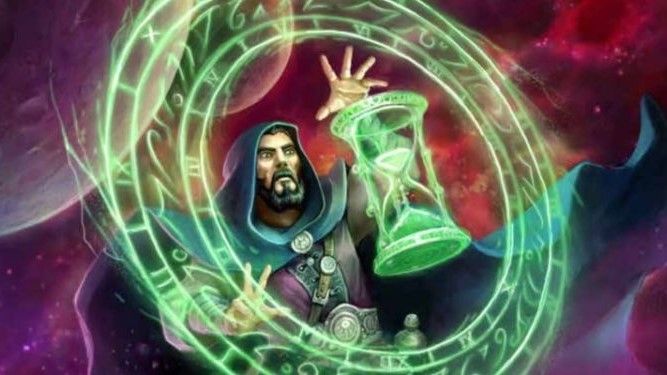
*Dungeon Crawl Classics* thrived on unpredictability, but its lack of a strict turn order meant spells could be interrupted mid-cast, turning fireballs into fizzles. Vagabond*, designed for a more narrative approach, had no traditional combat mechanics to fall back on, leaving its caster at the mercy of the others’ systems.
What This Experiment Reveals About TTRPG Design
The real takeaway isn’t that wizards are weak—it’s that no two systems agree on what ‘combat’ even means. Hit points, spell casting, action resolution, and resource management vary so wildly that forcing them into the same space creates a paradox: rules that encourage creativity in solo play become lethal in group settings.
For DMs and players, the lesson is clear: cross-system battles are a recipe for frustration. But for designers, it’s a masterclass in why balance isn’t just about numbers—it’s about philosophy. A game where spells can be dodged, interrupted, or outright ignored isn’t just unbalanced; it’s unplayable.
Could This Ever Work?
Maybe—but it would require a shared rulebook, not just shared goals. Until then, the only thing faster than a *Vagabond wizard’s death is the next YouTuber trying to fix it.