Ubisoft’s financial unraveling has reached a breaking point. The French gaming titan, once valued at €10 billion, now sits at a staggering €500 million—a 95% collapse in eight years. A single day’s announcement of a company-wide major reset triggered a 34% stock drop, erasing decades of market confidence. The move isn’t just a portfolio trim; it’s a full-scale restructuring that could redefine how Ubisoft operates—or doom it to irrelevance.
- Market cap: €500 million (down from €10 billion in 2018).
- Stock price: €4.37—lowest since 2011.
- Games canceled: Six titles, including the Prince of Persia: Sands of Time Remake.
- Games delayed: Seven unannounced projects, reportedly including Assassin’s Creed IV: Black Flag Remake.
- Restructuring: Overhaul of Creative Houses, new market segments, and a push for top-two dominance in each category.
- New IPs: Four in development, with a focus on exceptional return on investment.
- Leadership: Yves Guillemot’s family control remains—for now—thanks to Tencent’s strategic partnership.
The scale of the reset is unprecedented. Ubisoft isn’t just delaying or canceling games; it’s dismantling an entire business model. The company’s Creative Houses—once autonomous studios—are being realigned under a centralized strategy aimed at achieving world-class status in every gaming segment it touches. The goal? To climb into the top two in each niche, a move that suggests Ubisoft is betting on niche dominance over broad-market saturation.
But the stakes couldn’t be higher. The 34% stock plunge isn’t just a reaction to canceled projects—it’s a vote of no confidence in Ubisoft’s ability to execute. Shareholders, who have long pressured the Guillemot family for leadership changes, now face a critical question: Can this reset work, or is it too little, too late?
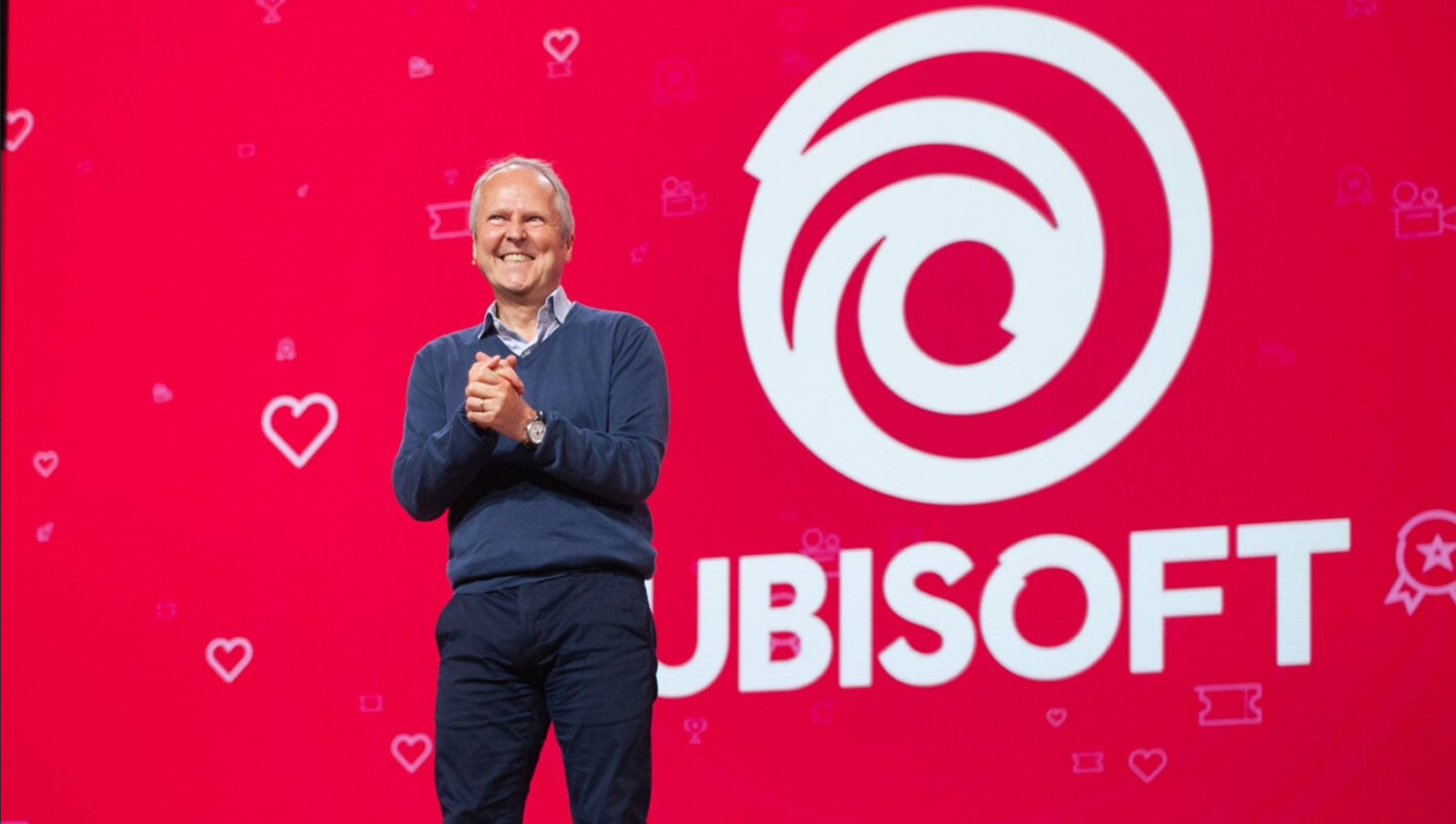
Tencent’s lifeline may be the only thing keeping Yves Guillemot in power. The Chinese gaming giant has deepened its involvement through Vantage Studios, a partnership that has become Ubisoft’s financial bulwark. Without Tencent’s backing, Guillemot’s family could have faced ousting years ago. Now, the partnership’s success—or failure—will determine whether Ubisoft survives as an independent force or becomes a subsidiary in all but name.
The financial officer’s message was clear: execution is everything. While no projections were offered on stock recovery, the focus is squarely on the Creative Houses delivering high-quality games in tightly controlled segments. Four new intellectual properties are in the pipeline, but the market’s selectivity means only the best will thrive. Ubisoft’s bet is that by dominating niche markets—rather than spreading resources thin—it can claw back profitability.
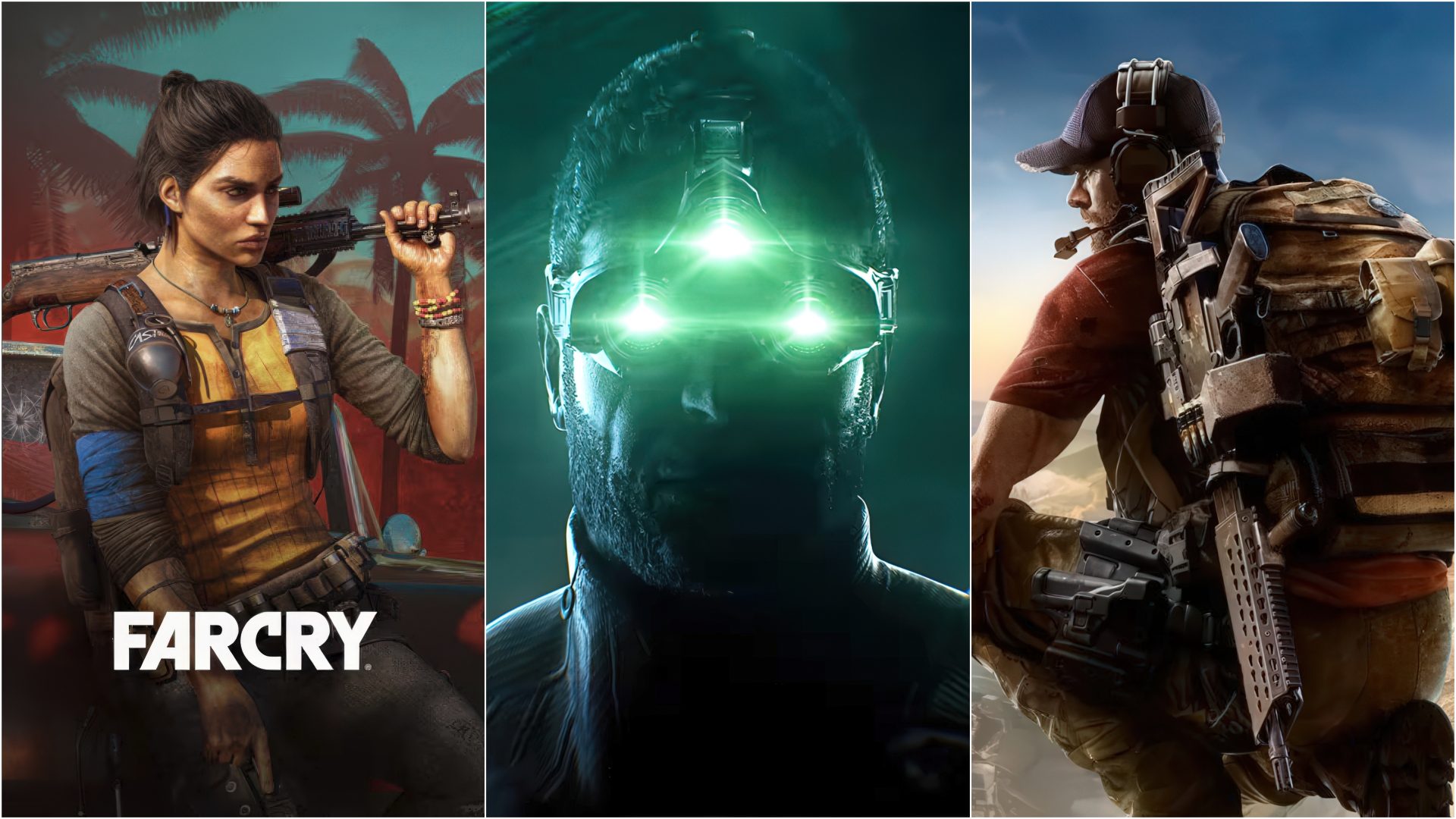
Yet the risks are monumental. The canceled Prince of Persia remake and delayed Assassin’s Creed IV were high-profile gambles. Fans and investors alike are watching to see if Ubisoft can pivot without alienating its core audience. The company’s history of delays and cancellations—from The Division 2’s troubled launch to Far Cry 6’s reception—has left skepticism running high.
For Ubisoft, the next 12 months will be a test of survival. The reset isn’t just about cutting losses; it’s about reinventing a company that has struggled to keep pace with industry shifts. If the execution falls short, the Guillemot era could end not with a bang, but with a whimper—leaving behind a shell of the company that once defined AAA gaming.
The gaming world is holding its breath. Ubisoft’s next move will either restore its legacy or accelerate its decline into obscurity.